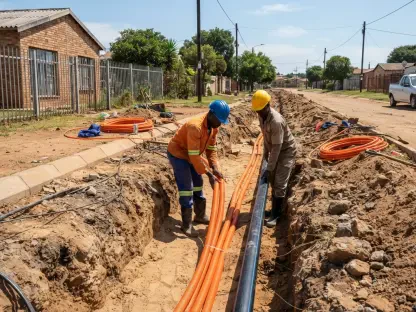

Vladislav Zaimov brings a wealth of experience to the table regarding the intersection of massive infrastructure projects and ecological responsibility. As a specialist in enterprise telecommunications and risk management, he has seen firsthand how the industry has shifted from a "deploy and

Vladislav Zaimov has spent his career at the intersection of complex network architecture and the rugged realities of telecommunications infrastructure. As a specialist in enterprise systems and the protection of vulnerable networks, he possesses a rare perspective on how massive physical

The traditional boundaries between the digital and physical domains are dissolving rapidly as 6G moves from the abstract phase of white papers into the concrete reality of live infrastructure trials. This next-generation network technology represents a significant advancement in the

Vladislav Zaimov stands at the forefront of a technological revolution where telecommunications meets social survival. As an expert in enterprise networks and the management of vulnerable systems, Zaimov has spent years navigating the complexities of keeping critical infrastructure resilient

Ethiopia is currently witnessing one of the most aggressive technological overhauls in East Africa as its primary state-owned operator shifts from basic connectivity to a comprehensive digital services ecosystem. The nation’s telecommunications sector is navigating a pivotal era defined by the end

Operating specialized subsidiary brands allows T-Mobile to capture value across the entire economic spectrum while utilizing the same underlying 5G network infrastructure for all users. This strategy has turned a former market underdog into a dominant force within a tightly controlled triopoly,