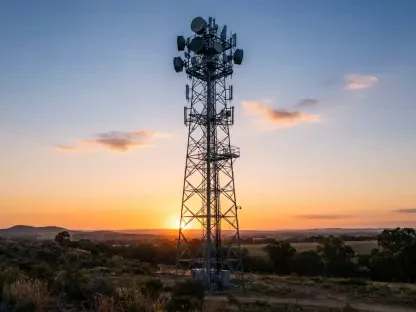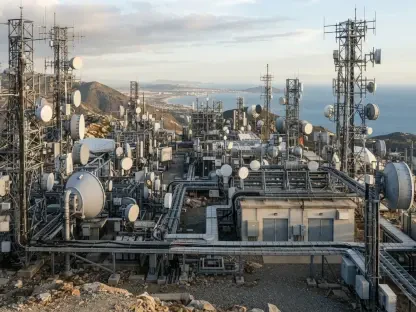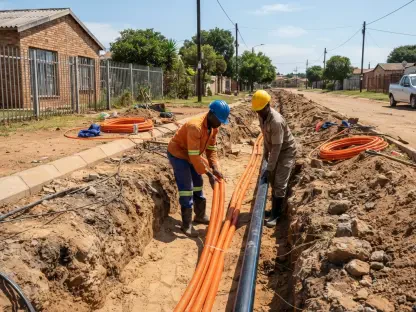

Construction delays for new fiber-optic cables, caused by weather and logistics, threaten to leave a service gap if copper lines are retired prematurely. This reality has cast a shadow over Minnesota’s rural landscapes, where the quiet hum of traditional telephone lines has long symbolized more than just connectivity—it represents a safety net. As Verizon initiates the decommissioning of its legacy copper-wire network, the move has ignited a fierce debate regarding the definition of essential service. For the corporate giant, this transition is a necessary evolution toward a high-speed, fiber-driven future that meets the demands of contemporary commerce. However, for residents in the dense woods of Scandia or the undulating hills of the St. Croix River Valley, the copper network remains an indispensable utility. These communities often find themselves on the wrong side of the digital divide, where cellular signals are swallowed by topography and foliage, leaving residents vulnerable during emergencies.
Economic Incentives: Technical Realities
Verizon’s strategy to retire the copper network is primarily rooted in the high cost of maintaining a decaying system that serves a dwindling number of traditional users. In Minnesota, the annual expenditure for repairing and managing these legacy lines reaches nearly $20 million, a sum the company seeks to reallocate toward more efficient 5G and fiber-optic technologies. From a business standpoint, keeping the copper infrastructure alive is seen as an unsustainable anchor that prevents the company from reaching its full potential in a competitive telecommunications market. The shift is described by industry analysts as a logistical necessity, as the components required to fix century-old switches and lines are becoming increasingly rare and expensive. By transitioning away from copper, the company aims to streamline its operations and focus on delivering the high-bandwidth services that the majority of modern consumers and businesses now demand for daily digital activities.
However, the technical promise of wireless replacements often clashes with the rugged physical realities of rural Minnesota. Residents in areas like the St. Croix River Valley face significant environmental barriers, such as deep bluffs and dense tree canopies, which significantly degrade cellular and satellite signals. While Verizon suggests that wireless hotspots can replace hardwired lines, these devices are susceptible to atmospheric interference and physical obstructions that do not affect buried copper wires. During severe weather events or extended power outages, the copper network frequently remains functional because it carries its own low-voltage power supply, providing a level of resilience that battery-dependent wireless systems cannot match. For a household located in a topographical “dead zone,” the loss of a landline is not merely an inconvenience; it represents the total removal of their only consistently reliable method of contacting the outside world.
Regulatory Shifts: The Legal Battle
The acceleration of this decommissioning process is largely attributed to a pivot in federal oversight. This year, the Federal Communications Commission updated its guidelines to provide telecommunications companies with greater flexibility regarding the retirement of legacy systems. The revised standards essentially allow providers to substitute traditional hardwired telephone service with wireless alternatives, provided they meet basic voice quality requirements. This shift has removed many of the historical regulatory hurdles that previously required companies to prove that a replacement technology was exactly equal in reliability to the copper it replaced. This federal stance has empowered Verizon to move forward with closure notices across multiple counties, signaling a significant move toward a fully digital infrastructure. Critics argue that these loosened standards fail to account for the unique vulnerabilities of rural subscribers who live in regions where wireless signals are not just weak, but non-existent.
This federal deregulation has triggered a significant legal confrontation between Verizon and the Minnesota Public Utilities Commission. The corporation filed a lawsuit asserting that federal law preempts state-level authority, arguing that they do not require specific permission from state regulators to retire their own infrastructure. Conversely, the Minnesota commission, supported by local advocacy groups, maintains that the state has an inherent duty to protect its citizens and ensure universal access to reliable communication. The legal dispute centers on whether a state can impose stricter reliability standards than those established by the FCC. While the court proceedings continue, a cloud of uncertainty hangs over thousands of residents who received disconnection notices but remain unclear on when their service will actually terminate. This standoff represents a pivotal moment in the balance of power between federal deregulatory trends and the state’s obligation to maintain public safety through infrastructure oversight.
The Human Cost: Vulnerable Populations
The potential abandonment of copper networks carries a heavy human cost, particularly for senior citizens who have spent decades relying on landline technology. For many older Minnesotans, the traditional telephone is not just for conversation; it is a critical component of medical alert systems that monitor heart rates or provide emergency assistance at the touch of a button. Advocacy organizations have raised alarms that these life-saving devices often fail when transitioned to wireless or satellite platforms, which can experience lag or signal drops. Furthermore, many seniors living on fixed incomes are technically and financially ill-equipped to manage the transition to modern smartphones or satellite dishes. The landline remains a familiar, stable tool that requires no software updates or complex configurations to function. Stripping away this “lifeline” without ensuring an equally reliable and affordable alternative places one of the state’s most vulnerable populations at significant risk of isolation.
Beyond voice communication, the retirement of copper lines also spells the end for Digital Subscriber Line internet, which many rural households still use for basic web access. While fiber-optic cable is the gold standard for connectivity, its deployment in remote areas remains spotty and slow. In the absence of DSL, residents are often forced to choose between expensive satellite services or unreliable cellular data plans. For instance, the high upfront equipment costs and monthly subscription fees for satellite internet are frequently double or triple the cost of a basic copper-based connection. This economic barrier widens the digital divide, leaving lower-income families without a viable way to access educational resources, telehealth services, or remote work opportunities. While voice services have some regulatory protections, the internet access tied to those same copper wires does not, creating a situation where a household might keep its phone but lose the digital window to the modern world.
Strategic Resolutions: Public Safety Outcomes
State authorities took decisive action to address the public safety concerns raised by law enforcement officials regarding the emergency service gap. Local sheriffs and mayors documented numerous instances where the removal of copper infrastructure left residents in topographical dead zones without any means to contact 911. In response, the state legislature passed a series of emergency mandates that required providers to maintain copper service in any area where a “fail-safe” wireless signal could not be verified by independent field tests. These measures successfully prevented the premature silencing of lines in high-risk zones, such as the rugged lake regions and river valleys. Regulators also established a dedicated fund to bridge the gap between legacy systems and fiber-optic expansion, ensuring that no resident was disconnected until a physical hardwired alternative was installed. This proactive stance prioritized the lives of citizens over corporate schedules and created a necessary buffer for rural safety.
The long-term resolution of the infrastructure crisis involved a coordinated effort between the state and telecommunications companies to accelerate fiber deployment. They developed a transparent roadmap that prioritized the most isolated communities, ensuring that fiber-optic cables were laid before the final decommissioning of the copper network. Lawmakers also incentivized providers to offer standardized pricing for new technologies, which prevented the transition from becoming an undue financial burden on rural households. By implementing these strategic solutions, Minnesota created a blueprint for other states to follow when managing the sunset of legacy utilities. This approach balanced the inevitable need for technological progress with a steadfast commitment to public utility obligations and consumer protection. Ultimately, the state ensured that the modernization of the communication landscape did not come at the expense of its most remote inhabitants, who regained a reliable lifeline through a more resilient and modern infrastructure.