
Bridging the digital gap for lower-income households requires moving away from retrospective infrastructure additions toward integrated utility planning. This shift is currently materializing through the Fiber Pre-Provisioning Proof of Concept in Empangeni, a project that fundamentally alters the trajectory of South African urban development. By embedding high-speed telecommunications infrastructure directly into the construction phase of low-to-middle-income housing, the initiative addresses the historical exclusion of these communities from the digital economy. Historically, connectivity was treated as a luxury or a secondary addition, often implemented years after residents had moved in. However, the collaborative effort between the KwaZulu-Natal Provincial Government, Openserve, and Huawei within the Phase 1A Empangeni IRDP Mega Housing development serves as a modern blueprint for digital inclusion. This project encompasses an initial 405 units and demonstrates how fiber can be integrated into foundational planning.
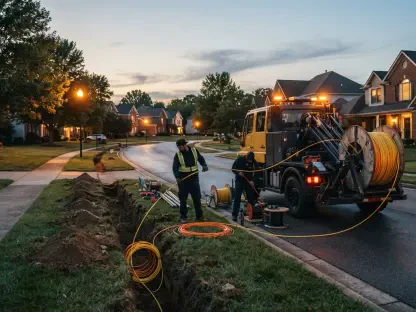
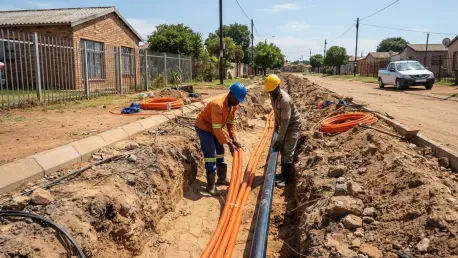
The technical core of the Empangeni project is the “Pipe and Box” methodology, which involves the installation of physical conduits and connection points during the actual construction of houses and roads. This proactive approach ensures that digital infrastructure is woven into the fabric of the neighborhood alongside traditional utilities. By installing these systems while the ground is open and the structures are being framed, the project eliminates the need for future, costly retrofitting processes that often involve tearing up newly paved roads or trenching through established gardens. This method provides a “plug-and-play” capability, allowing residents to access high-speed internet almost the moment they receive their keys. For the uMhlathuze Municipality, this represents a significant leap forward in service delivery efficiency, as it minimizes the disruption and physical degradation that usually accompanies fiber rollouts in older urban environments.
Elevating Connectivity to a Basic Necessity
Redefining Infrastructure Standards in Modern Housing
There is an emerging consensus among provincial leadership and private sector technology partners that digital access must be elevated to the status of a fundamental utility. In the current socio-economic landscape, fiber-optic infrastructure is no longer viewed as an optional luxury but as a vital necessity, comparable to the provision of potable water, electricity, and sanitation. The KwaZulu-Natal Department of Human Settlements is leading a paradigm shift by advocating for the integration of digital planning into the very first stages of land-use management. This ensures that the pathway for future connectivity is secured long before the first brick is laid. Premier Thamsanqa Ntuli has emphasized that building these digital pathways today is the only sustainable way to guarantee that communities are connected tomorrow. This strategic alignment recognizes that a modern home is incomplete without the infrastructure required to participate in a globalized society that relies heavily on data.
Integrating telecommunications into the early stages of housing development creates a standardized environment where digital readiness is the default rather than the exception. This shift requires a high degree of coordination between town planners, civil engineers, and telecommunications experts to ensure that the layout of conduits does not interfere with other subterranean services. By treating fiber as a primary utility, developers can avoid the haphazard installation patterns that often lead to maintenance complications or service outages in the future. Furthermore, this approach sets a new benchmark for what constitutes adequate housing in South Africa, moving beyond just physical shelter to include the digital tools necessary for modern life. It reflects a growing understanding that excluding lower-income households from high-speed connectivity only serves to deepen existing inequalities, making this proactive planning a matter of social justice as much as it is a matter of technical engineering.
Institutional Collaboration: The Pillars of Success
The success of the Empangeni initiative is largely attributed to a sophisticated collaborative framework that leverages the specific expertise of multiple stakeholders. The KwaZulu-Natal Provincial Government and the Office of the Premier provide the strategic oversight and political momentum necessary to align regional goals with local implementation. Meanwhile, the uMhlathuze Local Municipality manages the practical, on-the-ground coordination and infrastructure approvals that keep the project moving. This public-sector leadership is complemented by the technical prowess of Huawei, which serves as a technical advisor providing global hardware standards and program support. Openserve, as the telecommunications partner, brings its extensive knowledge in network deployment and integration, ensuring that the local “Pipe and Box” installations are fully compatible with the broader national network. This synergy demonstrates how public-private partnerships can effectively address complex infrastructure challenges.
Beyond the immediate technical benefits, this collaborative model fosters a culture of knowledge transfer between global technology firms and local government entities. By working closely with Huawei and Openserve, municipal technicians and provincial planners gain valuable insights into the latest telecommunications standards and installation techniques. This capacity building is crucial for the long-term sustainability of the project, as it ensures that the local workforce is capable of maintaining and expanding the digital infrastructure as the community grows. The partnership also streamlines the regulatory and approval processes, as all parties are aligned on the project’s objectives from the outset. This unified front reduces the bureaucratic friction that often stalls large-scale infrastructure projects, allowing for a more rapid and efficient rollout. As a result, the Empangeni model serves as a compelling example of how diverse organizations can work together to benefit the public.
Collaborative Framework and Economic Advantages
Strategic Partnerships and Cost-Efficiency Models
One of the most compelling arguments for fiber pre-provisioning is the significant reduction in operational costs and the preservation of municipal assets. When fiber conduits are installed before roads are paved or sidewalks are completed, the municipality avoids the future necessity of excavating newly laid surfaces. This proactive strategy prevents the structural damage that often occurs when telecommunications companies must trench through existing infrastructure to reach individual homes. Representatives from Huawei have noted that this approach dramatically lowers the cost per home passed, which is a critical metric in determining the commercial viability of fiber rollouts in lower-income areas. By reducing the initial capital expenditure and long-term maintenance costs, the project makes high-speed internet more affordable for residents who might otherwise be priced out of the market. This economic efficiency is a key driver in making digital inclusion a reality for the broader population.
Standardizing the physical infrastructure through the “Pipe and Box” method creates a “plug-and-play” environment that benefits both the municipality and the internet service providers. For the providers, the availability of ready-made conduits means they can activate services for new customers in a fraction of the time it would normally take, as the most difficult physical work has already been completed. This accessibility encourages competition among service providers, which can lead to better pricing and service quality for the residents of Empangeni. From a municipal perspective, the preservation of road integrity translates into lower long-term repair budgets and fewer disruptions for the community. The overall economic impact extends beyond the immediate savings, as the presence of high-speed fiber can increase property values and attract small businesses to the area. This holistic approach to infrastructure management ensures that the investment made during the construction phase yields dividends for years to come.
Driving Social Empowerment and National Policy
The data and insights gathered from the Empangeni pilot provided a compelling case for a national shift in housing policy. Stakeholders successfully advocated for the inclusion of fiber pre-provisioning in the mandatory building codes for all new municipal developments across South Africa. This project proved that the “Pipe and Box” method was both durable and cost-effective, offering a scalable solution for urban planners nationwide. Moving forward, the government should establish a dedicated fund to subsidize the initial cost of fiber conduits in low-income projects, ensuring that the burden does not fall on the residents. Additionally, fostering deeper partnerships with a wider array of technology providers will be essential to maintain competition and innovation. By adopting these standards, South Africa took a decisive step toward eliminating the digital divide, ensuring that every citizen, regardless of their income level, gained the ability to participate fully in the digital age.
The presence of high-speed connectivity within the home fostered a more inclusive digital culture, where children and young adults developed the skills necessary for the jobs of the future. In an era where digital literacy is as important as traditional education, having reliable internet access at home was a game-changer for students. It allowed them to research topics, attend virtual classes, and collaborate with peers across the globe, all without the need to travel to expensive internet cafes or rely on limited mobile data packages. This democratization of information was a key component of the provincial government’s broader strategy to reduce inequality and promote social cohesion. By treating digital access as a right rather than a privilege, the Empangeni project set a standard for how modern human settlements should function as hubs of opportunity. The project illustrated that when technology is deployed with a clear social purpose, it becomes a transformative force for good in the lives of ordinary citizens.