
Operating specialized subsidiary brands allows T-Mobile to capture value across the entire economic spectrum while utilizing the same underlying 5G network infrastructure for all users. This strategy has turned a former market underdog into a dominant force within a tightly controlled triopoly, alongside AT&T and Verizon. The evolution of the American telecommunications landscape into this powerhouse structure is the result of aggressive consolidation and a sophisticated multi-brand ecosystem. By moving beyond its primary “Magenta” identity, the carrier has successfully built a sprawling network that now serves over 140 million subscribers across various economic tiers. This dominance was cemented by the pivotal 2020 merger with Sprint, which fundamentally shifted the industry balance by providing the mid-band spectrum necessary for 5G leadership. Subsequent moves, such as absorbing the customer base of U.S. Cellular, have allowed the company to systematically neutralize regional competition while scaling its operational footprint across the nation.
Market Expansion: Mastering Prepaid and Wholesale Segments
Retail Dynamics: Capturing Modern Consumer Trends
Metro by T-Mobile serves as the primary engine for capturing the prepaid retail segment, operating as a distinct gateway for consumers who prefer flexibility over long-term commitments. Originally an independent pioneer that launched the first 4G LTE network in the United States, Metro was strategically acquired to provide a robust foothold in urban markets and among budget-conscious demographics. By maintaining a separate branding strategy and a vast network of franchised storefronts, the parent company can offer competitive, no-contract pricing without diluting the perceived premium value of its flagship postpaid services. This separation allows for targeted marketing that addresses the specific needs of retail-heavy areas where credit checks and monthly billing cycles may be barriers to entry. Consequently, the carrier manages to retain high-volume traffic on its 5G Standalone (SA) core while catering to a demographic that might otherwise seek service from smaller, independent mobile virtual network operators.
Digital Growth: Adapting to Wholesale Purchasing
In contrast to the traditional brick-and-mortar presence of retail brands, Mint Mobile represents a masterclass in modern wholesale market penetration and digital-first consumer engagement. This acquisition allowed the parent organization to integrate a high-growth partner that specialized in bulk purchasing models, where users pay for several months of service in advance. By bringing Mint into the fold, the company neutralized a potent competitor that had gained massive popularity through transparent pricing and aggressive digital advertising. This move specifically targets a tech-savvy, younger demographic that values simplicity and online account management over in-person support. Utilizing the same 5G infrastructure, Mint operates with significantly lower overhead costs than traditional retail brands, providing a high-margin revenue stream from a segment of the population that prioritizes cost-efficiency. This ensures that even users looking for the absolute lowest price points are still contributing to the overall financial health of the Magenta network today.
Specialized Outreach: Serving Global and Social Demographics
Global Connectivity: Serving Niche International Needs
Ultra Mobile provides a specialized instrument for engaging expatriates and international travelers, a niche that requires more than just standard domestic data packages. This brand focuses on delivering affordable communication to over 90 international destinations, making it the preferred choice for customers with strong ties outside of the United States. By owning Ultra Mobile, the corporation secures a consistent stream of revenue from global-minded users who would otherwise rely on expensive roaming packages or third-party calling apps. The integration of this brand into the broader corporate ecosystem ensures that specialized connectivity needs are met without complicating the service offerings of the primary brand. This diversification is critical for maintaining market share in a globalized economy where international connectivity is no longer a luxury but a necessity for millions of residents. It allows the carrier to extract value from specific usage patterns that traditional domestic plans often overlook or overcharge for in the current landscape.
Community Support: Bridging the Digital Divide
Beyond the commercial market, a significant portion of the social services sector is managed through the Assurance Wireless brand, which operates within the federal Lifeline program. This initiative provides essential mobile services and hardware to low-income households, ensuring that the carrier maintains a presence in every economic bracket of American society. While these lines are often subsidized by government funding, they represent a massive and stable subscriber base that contributes to the total volume of users on the network. Controlling this segment allows the company to fulfill social responsibility goals while simultaneously preventing competitors from gaining a foothold in the public sector. By providing a necessary utility to vulnerable populations, the organization ensures its infrastructure remains the backbone of American communication across all socioeconomic levels. This broad-reaching approach effectively bridges the digital divide and guarantees that the network remains essential to the daily operations of modern American social welfare systems.
Strategic Resilience: Leveraging Universal Infrastructure
Operational Efficiency: Maximizing Tower Utilization
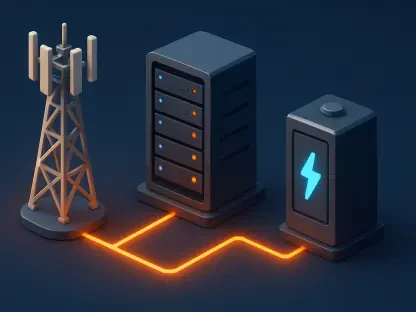
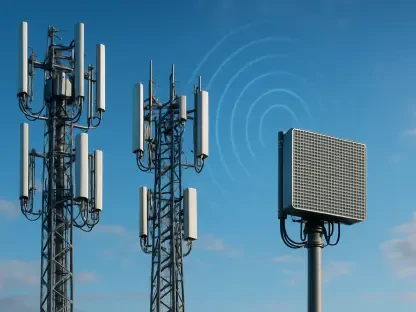
The success of the “Magenta Umbrella” strategy lies in its ability to avoid the rigid, one-size-fits-all model that frequently alienates consumers in a fluctuating economy. By operating a diverse portfolio of distinct brands, the corporation can pivot quickly to address shifts in consumer spending habits or technological advancements. If a customer finds a premium postpaid plan too expensive during an economic downturn, they are likely to migrate to a more affordable option like Metro or Mint rather than leaving for a competitor like AT&T. Regardless of which subsidiary the customer chooses, their mobile data still flows through the same high-capacity 5G towers and their subscription fees still contribute to the same corporate bottom line. This internal mobility creates a closed-loop system where churn is minimized because the company offers a solution for every possible financial scenario. The efficiency of this model is maximized by reusing the same core network technology for all brands, reducing the cost of maintenance and expansion while improving total capacity.
Industry Evolution: Securing the Connectivity Landscape
The transformation of the wireless market into a consolidated triopoly established a landscape where scale and infrastructure efficiency became the ultimate benchmarks for success. T-Mobile navigated this transition by creating a multi-brand ecosystem that captured value from every corner of the market, from high-end corporate accounts to government-subsidized lines. This approach proved that a single network could effectively serve wildly different demographics through clever branding and strategic acquisitions. Industry analysts noted that the move to absorb competitors and convert them into subsidiaries prevented price wars that might have otherwise eroded profit margins across the sector. Moving forward, the focus for the industry shifted toward maximizing the return on 5G investments by densifying urban coverage and expanding into home internet markets via fixed wireless access. For regulators, the primary consideration became how to ensure innovation continued in a market where a few giants controlled the essential pathways of digital communication as of late.