
The operationalization of a sophisticated private 5G network at the Port of Hamburg’s Container Terminal Altenwerder marks a decisive transition from exploratory maritime pilot programs to a fully realized digital nervous system capable of orchestrating the complex choreography of global trade with

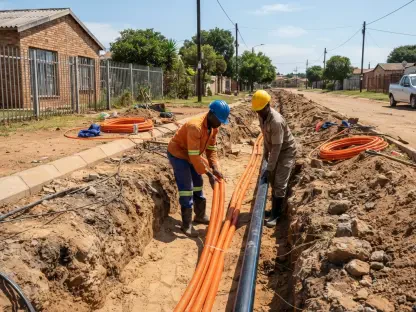
Market expansion in the United States and Canada is being fueled by distribution partnerships that broaden the reach of simplified deployment solutions. As service providers transition away from legacy copper infrastructure, the synergy between high-capacity fiber backhaul and flexible wireless

Adaptive network selection represents a significant leap in digital autonomy, as devices now evaluate their own communication needs against available spectrum resources. This transition from basic connectivity to intelligent orchestration signifies a departure from the era of static hardware

Strategic alignment between these two giants centers on providing the governance and control human operators need while letting AI manage the underlying complexity. The modern telecommunications landscape is witnessing a profound shift as traditional manual network management reaches its absolute

Legislation such as the Infrastructure Investment and Jobs Act in North America is fueling large-scale deployments of IoT sensors within smart grids and electric vehicle charging networks. This governmental push provides the necessary capital for utilities to modernize aging infrastructure by

The rise of standalone 5G networks is providing the technical foundation for virtualized network slicing and more granular control over digital traffic. This fundamental shift marks the end of the era where telecommunications infrastructure operated as a closed, proprietary black box, inaccessible