
The modern consumer no longer distinguishes between the high-speed fiber connection in their living room and the mobile data signals that power their handheld devices during a daily commute. This erasure of boundaries has forced telecommunications giants to rethink their fundamental business
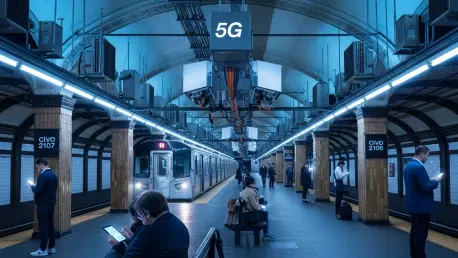
Navigating the subterranean depths of the New York City subway system no longer requires a temporary surrender of digital life as high-speed 5G signals begin to permeate the iron and concrete of the world's most famous transit network. For millions of New Yorkers, the daily descent into the transit

In a marketplace where billion-dollar mergers and aggressive spectrum land grabs are the norm, the sudden unified wall erected by Verizon, AT&T, and T-Mobile suggests that something much larger than a simple business dispute is currently unfolding across the American digital landscape. This rare

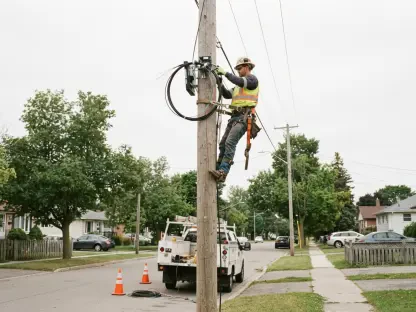
The competitive edge in the American telecommunications sector has shifted from the visible reach of 5G cell towers to the invisible precision of fiber-optic cables running beneath city streets. For nearly a decade, T-Mobile defined itself by disrupting the status quo as the mobile-only challenger,

The integration of high-performance artificial intelligence into the core fabric of wireless connectivity is no longer a speculative project confined to research laboratories but a fundamental restructuring of how the global telecommunications grid operates. This transition, collectively known as
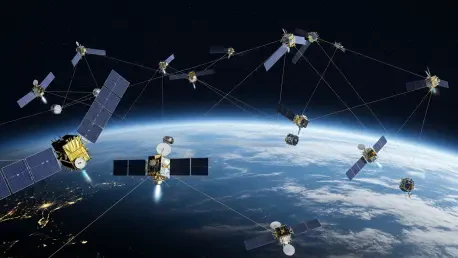
The global telecommunications landscape is currently facing a critical bottleneck as traditional terrestrial networks struggle to provide uniform high-speed coverage across remote geographic regions and maritime corridors. While satellite internet has long been proposed as the solution, high costs