

The integration of high-performance artificial intelligence into the core fabric of wireless connectivity is no longer a speculative project confined to research laboratories but a fundamental restructuring of how the global telecommunications grid operates. This transition, collectively known as
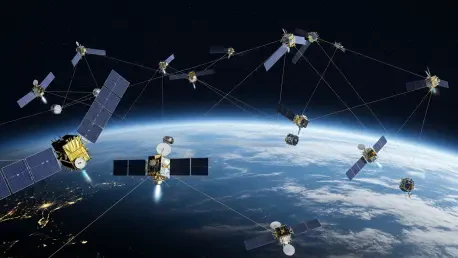
The global telecommunications landscape is currently facing a critical bottleneck as traditional terrestrial networks struggle to provide uniform high-speed coverage across remote geographic regions and maritime corridors. While satellite internet has long been proposed as the solution, high costs

The telecommunications industry has long struggled with the restrictive nature of vendor lock-in, where proprietary ecosystems dictate the pace of innovation and the cost of infrastructure expansion. This legacy of dependency faced a significant challenge when AT&T announced its massive

Introduction Checkout lines stalled by a frozen point-of-sale terminal, a rural clinic cut off from patient records, or a wind farm losing telemetry during a storm all share a costly truth that uptime is no longer a luxury but the baseline for doing business anywhere. The promise of an always-on

From “No Signal” to Space-as-a-Cell-Tower: Why the FCC’s D2D Pivot Matters Now Highways, hiking trails, and farm roads have long shared the same frustration: a dead screen where coverage maps glow, and the FCC’s direct-to-device pivot lands as a coordinated attempt to turn orbiting assets into the

Volatile geopolitics, high energy costs, and rising reliability standards were no longer intermittent risks but constant forces reshaping how European carriers funded networks, hardened operations, and proved service quality to exacting regulators and customers. This analysis mapped the market