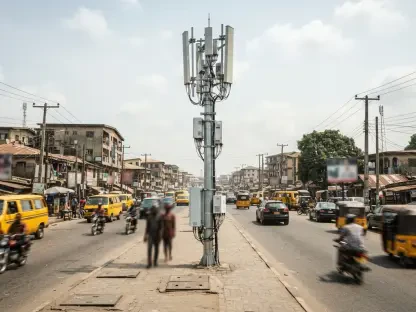

Global datademand kept accelerating across dense cities and remote edges alike, exposing limits in today’s radio layers as sub‑6 GHz bands filled and mmWave buildouts stalled on cost, coverage, and device power. Into that gap stepped a coordinated push to make 6G tangible by 2029, not as a moonshot
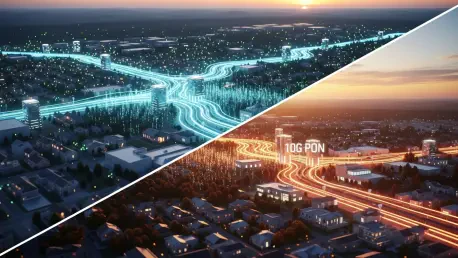
Setting the Stage: Why This Market Is Tipping Now North American broadband stood on a knife-edge between fast-enough and truly future-ready connectivity, and the balance began to tilt decisively toward fiber and 10G PON. Households and businesses asked for more than peak speeds: consistent uptime,

Rural Devon stood at a digital crossroads as political resolve collided with rugged moorland reality and fading funds while national coverage targets crept toward near-universality yet left stubborn gaps across farmsteads, hamlets, and upland lanes. A joint letter led by Councillor Cheryl

A $11.57 billion bid for a legacy satellite operator might sound like a conservative move in a market fixated on launch cadence and constellation scale, yet the reported acquisition of Globalstar points to a different kind of power play built on spectrum, licenses, and device footholds that convert

Vladislav Zaimov has spent years hardening enterprise-grade telecommunications and de-risking vulnerable networks, so he views 6G not just as a speed race but as a systems integration and resilience challenge. In this conversation with Lisa Aidle, he connects a milestone-driven

A Calculated Pause in the Age of Constant Connectivity While its competitors dominate the airwaves with flashy marketing campaigns and loud network claims, the most influential player in American telecommunications has suddenly gone quiet. Verizon, once the vocal leader of the mobile industry, has