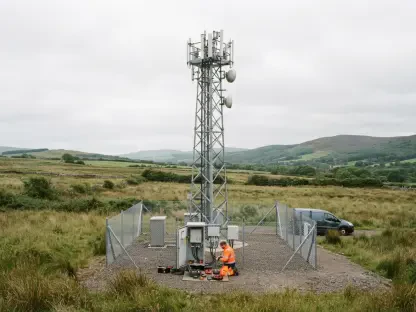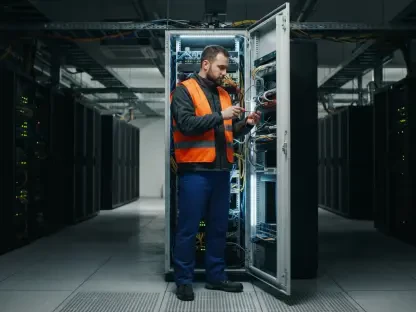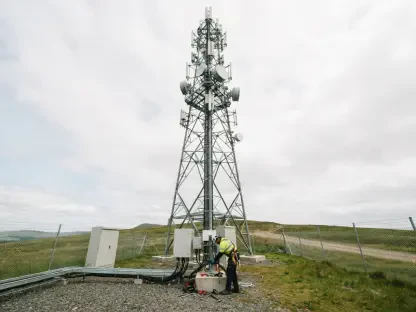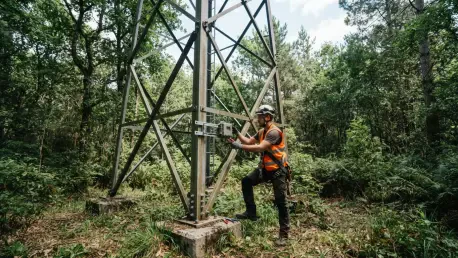

The silent hum of global telecommunications networks is no longer just the sound of digital data moving between cities; it is becoming the heartbeat of an unprecedented effort to listen to the natural world. The industry has evolved from a simple provider of voice services into a backbone of global digital transformation, managing a vast network of physical assets that include millions of towers and high-capacity fiber backbones. As the shift toward 5G and edge computing accelerates, the significance of this infrastructure extends beyond consumer connectivity into the realm of environmental stewardship. These assets represent a critical bridge for ecological research, offering the spatial footprint and technical capacity required to host advanced sensing equipment in areas that were previously inaccessible to real-time monitoring.
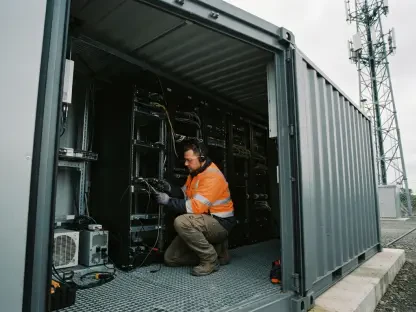
In the current landscape, “nature-positive” outcomes are becoming a core part of regulatory requirements, and the integration of telecom assets into biodiversity monitoring marks a pivotal shift in how industrial networks are valued. This convergence allows for the creation of a massive, distributed laboratory capable of tracking environmental health at a scale never before possible. Mobile network operators are increasingly recognizing that their existing towers are ideally suited for hosting sensors that track everything from weather patterns to species migrations. By leveraging these existing vertical structures, the cost and complexity of deploying global conservation technology are drastically reduced, paving the way for a more integrated approach to protecting the planet’s biological diversity.
Technological Shifts and Market Trajectories in Bioacoustic Monitoring
The conservation sector is currently undergoing a radical transition from manual data collection to automated bioacoustic monitoring. For decades, researchers relied on “record-and-retrieve” models, where autonomous recorders captured sounds in the wild only to be collected months later for manual analysis. Today, the industry is moving toward real-time data transmission, where acoustic sensors provide immediate insights into ecosystem health. This shift is powered by the realization that listening to the sounds of an ecosystem—from bird calls to the subtle noises of insects—provides a comprehensive and non-invasive metric for measuring biodiversity.
Connectivity Trends and the Rise of Edge Intelligence
The primary technological driver behind this transformation is the rise of edge intelligence, which allows for local data processing at the tower site. Instead of transmitting raw audio files, which consume immense bandwidth, modern systems run AI models directly on telecom hardware to identify specific vocalizations, such as primate signals or avian patterns. This evolution significantly reduces the reliance on expensive satellite links and addresses the computational bottlenecks that previously hindered large-scale acoustic networks. By processing data at the edge, the system only transmits relevant metadata, ensuring that the network remains efficient while providing high-resolution ecological insights.
Market Growth Projections for Nature-Based Data Services
The market for biodiversity data is projected to expand rapidly as financial institutions and governments demand verifiable environmental metrics. Estimates suggest that the gap in biodiversity funding is significant, but the adoption of standardized reporting frameworks, such as the Taskforce on Nature-related Financial Disclosures, is creating a surge in demand. From 2026 to 2030, the integration of ecological data into global capital markets is expected to turn environmental impact into a financeable asset class. Telecom providers who lease space for sensors or offer “Monitoring-as-a-Service” are positioned to tap into a multibillion-dollar nature finance ecosystem that rewards transparency and scientific accuracy.
Navigating Technical Constraints and Deployment Realities
A primary obstacle to a seamless alliance between telecommunications and conservation science remains the “geographic gap.” Because towers are traditionally built to serve human populations, they are often concentrated along roads and agricultural frontiers rather than in the most remote, untouched wilderness areas. This creates a spatial bias in data collection that researchers must carefully account for when interpreting regional biodiversity trends. Moreover, while the hardware for sensing is becoming increasingly affordable, the lack of standardized reference sound libraries across different geographic regions remains a persistent challenge for AI training and accuracy.
To overcome these hurdles, industry players are exploring hybrid connectivity solutions that combine cellular towers with Low Earth Orbit satellite constellations. This approach ensures that even the most isolated sensors can transmit data to the nearest hub for processing. Furthermore, investing in “citizen science” programs is helping to train AI models for diverse regional taxa, ensuring that the technology is effective in both the Global North and the Global South. By bridging these technical gaps, the industry can ensure that the data collected is both scientifically robust and geographically representative of the world’s diverse ecosystems.
Regulatory Frameworks and Compliance in Environmental Monitoring
The regulatory landscape is becoming a significant driver for telecom involvement in biodiversity initiatives. International agreements, such as the Kunming-Montreal Global Biodiversity Framework, mandate that nations implement robust monitoring systems to track the health of ecosystems. Compliance with these mandates requires a density of data that only existing infrastructure can provide, making telecom towers an indispensable asset for national environmental strategies. Simultaneously, telecom operators face their own ESG reporting requirements, where proving a net-positive impact on local biodiversity can enhance corporate reputation and satisfy investor demands for sustainable business practices.
Security and data privacy standards also play a critical role in the deployment of these sensing networks. The transmission of acoustic data must comply with national regulations regarding surveillance and the protection of sensitive environmental information. Operators must ensure that the microphones used for bioacoustics do not inadvertently capture human speech or violate privacy laws, requiring sophisticated on-device filtering. As these regulatory frameworks mature, they provide a structured environment for telecom companies to collaborate with environmental agencies, ensuring that the data generated is used ethically and effectively for conservation.
The Future Landscape of Integrated Infrastructure and Nature Finance
The future of the industry lies in the deep integration of sensing technology into the standard “tower kit” used by mobile operators. It is becoming increasingly common to see base stations designed with integrated bioacoustic sensors and weather stations as standard features rather than aftermarket additions. As AI models become more efficient, the ability to monitor the agricultural frontier in real-time will provide a crucial buffer against habitat loss and illegal logging. Innovation in low-power wide-area networks will likely extend the reach of sensors far beyond the immediate vicinity of the tower, using the base station as a central gateway for an expansive web of ecological sensors.
This connectivity will be the linchpin for closing the global agricultural finance gap, allowing smallholders to access credit based on the verified biodiversity value of their land. From 2026 to 2029, the industry is expected to see a rise in “biodiversity credits” that are underpinned by the data flowing through telecom networks. This creates a circular economy where the protection of nature becomes a profitable enterprise for local communities and infrastructure providers alike. By turning ecological health into a digital metric, the telecommunications industry is helping to build a financial foundation for global restoration efforts that are both scalable and sustainable.
Synthesis of Infrastructure Potential for Global Conservation
The intersection of telecom infrastructure and biodiversity data demonstrated that the conservation measurement crisis was largely a problem of logistics and connectivity. While telecom towers were not capable of reaching every square inch of the planet, they proved to be perfectly positioned to monitor the critical zones where human activity met wild habitats. By solving the dual challenges of data transport and computational costs through edge processing, mobile network operators transitioned from being passive utility providers into active participants in the global restoration movement. This transition was supported by a growing recognition that ecological health is a fundamental component of economic stability and digital infrastructure value.
The path forward required a dedicated commitment to cross-sector collaboration to standardize data protocols and integrate ecological monitoring into core business models. It was observed that the most successful initiatives were those that treated environmental data as a primary asset rather than a secondary ESG metric. By securing a data-driven future for the most vulnerable ecosystems, the industry established a new standard for how corporate assets could be used to solve global environmental challenges. Ultimately, the synthesis of these technologies provided the clarity needed to turn biodiversity protection into a measurable, financeable, and achievable goal for the remainder of the decade.