
The tranquil streets of Savannah are currently witnessing a silent but visible transformation as steel and glass structures of the next-generation digital age collide with the centuries-old architectural heritage that defines the city’s unique identity. This friction has reached a boiling point where the convenience of ultra-fast internet speeds meets the tangible reality of industrial equipment appearing on residential sidewalks without prior warning or community consent. Homeowners who once worried about tree canopy preservation are now waking up to find looming telecommunications nodes positioned directly in front of their bedroom windows, sparking a fierce debate over who truly controls the public right of way. While the push for 5G connectivity is driven by a necessity to remain competitive in a data-driven economy, the lack of coordination between private contractors and local neighborhoods has created a climate of distrust that threatens to derail infrastructure goals throughout the remainder of the year.
Local Conflict: The Intersection of Aesthetics and Technology
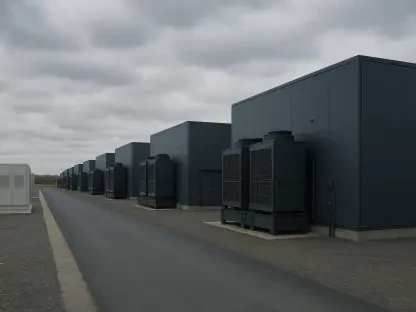
In neighborhoods such as Ardsley Park, the sudden appearance of large telecommunications nodes has been characterized by residents as a jarring and uninvited intrusion that fundamentally disrupts the visual harmony of their historic surroundings. These installations often feature bulky equipment cabinets and high-profile antennas that clash with the low-density residential feel of the area, leading to significant pushback from local preservationists. Many residents have reported that these structures were erected overnight with zero communication, leaving them with little recourse once the concrete had already set and the wiring was finalized. This specific lack of transparency has shifted the public discourse from a general support for better mobile service to a targeted frustration with the specific placement methods used by subcontractors. Local officials have been forced to confront a significant breakdown in the public outreach process as the volume of complaints grows.
Addressing Neighborhood Aesthetic Concerns
To mitigate the rising tensions, the Savannah City Council has implemented a series of ordinance amendments designed to force a more cooperative dialogue between telecommunications giants and the general public. The cornerstone of this legislative shift is a new requirement for providers to notify affected neighborhood associations at least 45 days before a formal application for a small cell installation is submitted to the planning department. This waiting period is intended to serve as a cooling-off phase where developers must actively engage with residents to discuss the specific placement of nodes and explore less intrusive alternatives. By mandating this window of communication, the city is attempting to move away from a reactive model of governance toward a proactive system where community feedback is integrated into the design phase of the network rollout. This move represents a significant attempt by local authorities to reassert their influence over the city streets.
Implementing Transparency Through New Ordinances
Beyond mere notification, the updated rules require that telecommunications companies participate in mandatory community meetings if a neighborhood association requests a formal review of the proposed project. During these sessions, residents and city engineers can suggest that poles be relocated to secondary city lanes or less prominent areas that still meet the technical coverage requirements for the 5G network. This cooperative approach aims to balance the commercial necessity of high-speed data with the local imperative to preserve the character of streetscapes that attract millions of tourists annually. The city’s goal is to foster an environment where infrastructure proposals are thoroughly vetted through public awareness before the first shovel hits the ground. Although this process adds several weeks to the development timeline, officials believe that the resulting reduction in litigation and public outcry will ultimately lead to a more stable and predictable environment for all stakeholders.
Regulatory Framework: Industry Demands and Legal Limits
The response from the telecommunications industry has been marked by a blend of legal compliance and logistical concern regarding the potential for bureaucratic delays. Companies like Arium Networks have maintained that their past installations were carried out in full accordance with existing state laws and that their infrastructure is a vital component of the city’s economic future. From their perspective, the rapid deployment of small cells is a direct response to the massive increase in consumer data usage, which has continued to climb steadily through 2026. Industry giants like AT&T have specifically warned that the newly enacted notification periods and mandatory meetings could lead to significant permitting delays and increased costs for network expansion. This uncertainty is further complicated by major shifts within the telecommunications market, such as the multi-billion dollar sale of large-scale portfolios, which can fragment corporate accountability and local relationships.
Navigating Legal Constraints: State Law
Savannah’s efforts to exert control over its local streets are significantly hampered by the Georgia Streamlining Wireless Facilities and Antennas Act, which was designed to facilitate rapid tech growth by limiting municipal authority. This state-level legislation essentially dictates the terms under which local governments can regulate small cell equipment, often reducing the city’s role to a clerical function rather than a discretionary one. Under these rules, cities are often prohibited from outright blocking installations based on aesthetic concerns alone. Local officials have openly acknowledged that their new notification ordinance represents the absolute limit of their power under current state mandates, which prioritize a fast-track permitting process for the industry. In response, Savannah has adopted a dual-track strategy that involves strict enforcement of local measures while simultaneously lobbying state lawmakers for more localized control to protect the unique needs of historic urban centers.
The Evolution of Cooperative Digital Planning
The evolution of cooperative digital planning in Savannah provided a critical case study for other historic cities facing similar digital pressures throughout the current landscape. It became clear that technological progress could not be viewed in isolation from the social and physical fabric of the communities it intended to serve. Moving forward, the implementation of more robust notification cycles and the shift toward utilizing city lanes established a new baseline for corporate and civic cooperation. Future urban development plans will likely need to integrate digital infrastructure into the earliest stages of zoning and neighborhood planning to avoid the reactionary conflicts that defined this period. For homeowners and city officials alike, the lesson learned was that transparency and early engagement were more effective than litigation in achieving a modern, connected environment. By fostering a climate where providers recognized the value of local character, the city managed to secure its digital future.