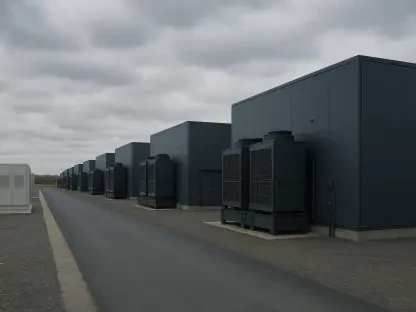

The Australian telecommunications landscape has fundamentally shifted from a traditional utility model into a high-performance engine that powers every facet of the modern digital economy. This evolution represents more than just a simple upgrade in hardware; it is a profound reimagining of how

Current industry solutions like Nvidia's NVLink and high-speed InfiniBand protocols are often limited by the physical performance floor of traditional glass fiber cables. Relativity Networks recently secured $22 million in funding to address this specific bottleneck by commercializing hollow-core

The social cost of regulatory delay is most visible in rural areas where the absence of fiber-to-the-home hinders access to modern public services and economic opportunities. As the European Union attempts to solidify its position in the global race for artificial intelligence and industrial
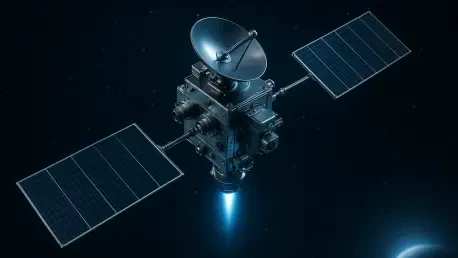
By leveraging the IM 1300-series platform acquired from Lanteris Space Systems, Intuitive Machines is rapidly pivoting from lunar landers to high-capacity orbital hardware. The announcement of a $600 million contract marks a watershed moment for the Houston-based company, which previously gained
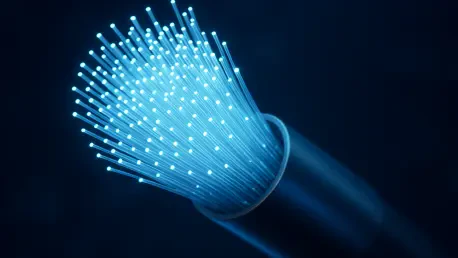
This strategic move ensures the company can provide the essential hardware required for the massive growth of artificial intelligence and hyperscale data centers. As the global thirst for bandwidth reaches unprecedented levels, the announcement of a $1.2 billion capital injection represents a

The rapid expansion of artificial intelligence infrastructure is currently clashing with the national push for universal rural connectivity, creating a high-stakes competition for a dwindling pool of specialized technicians. This tension between federal mandates and private sector acceleration