
The American Transmission Company has officially submitted a revised $1.3 billion proposal to the Wisconsin Public Service Commission to support a major data center development. This significant move follows a period of intense scrutiny regarding the physical infrastructure necessary to fuel the state’s digital transformation. The project focuses on the massive energy requirements of a new data center campus in Port Washington, which acts as the primary catalyst for these extensive grid enhancements. To accommodate the massive influx of demand, the company proposes a comprehensive reconstruction of the existing electrical architecture across the region. This initiative reflects a broader national trend where utility providers must balance the rapid-fire timelines of the technology sector with the methodical nature of state-level oversight. By aiming for a completion date in December 2027, the project seeks to establish a reliable foundation for long-term technological growth within the state today.
Overcoming Initial Regulatory and Procedural Rejections
Securing approval for such an immense infrastructure project has proven to be an uphill battle, as evidenced by a significant regulatory setback encountered during the previous summer. In August, the Public Service Commission unanimously rejected the initial proposal due to concerns regarding a lack of clarity and transparency within the application. Staff and ratepayer advocates pointed out that the frequent modifications to the project design made it nearly impossible for the public to effectively track the potential impacts on their communities. Adam Ingwell, the environmental affairs coordinator for the commission, noted that the sheer volume of revisions created a barrier to meaningful engagement. This friction highlights a fundamental disconnect between the “speed-to-power” expectations of private developers and the slow, deliberative process required to protect public interests. Consequently, the refilled application aims to provide a more stable and predictable roadmap for all stakeholders involved in the review.
Enhancing Project Transparency for Local Stakeholders
The updated filing incorporates structural changes designed to mitigate opposition and streamline the approval process by addressing specific local concerns. A notable modification involves the removal of a controversial transmission line segment that was originally planned to traverse the towns of Trenton and Saukville. By eliminating these specific points of contention, the company hopes to focus the regulatory conversation on the broader necessity of the grid upgrades. Despite these tactical withdrawals, the core objectives of the project remain unchanged, as the underlying demand for electricity continues to rise. Executive Vice President Jared Winters has maintained that these upgrades are essential for the continued reliability of the regional power supply. The commission is now tasked with evaluating the new documentation for completeness before proceeding with a fresh cycle of public hearings and environmental impact assessments to ensure the project meets all safety standards as required by state law.
Engineering a Modernized Electrical Backbone
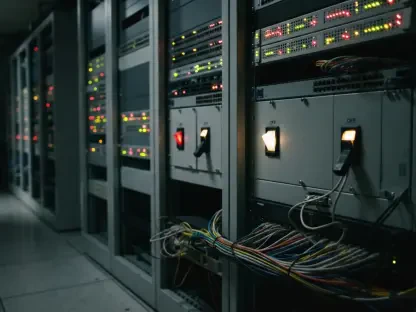
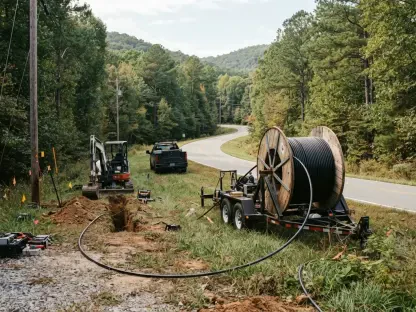
The technical scope of the $1.3 billion plan involves a sophisticated modernization of the electrical backbone spanning Fond du Lac, Ozaukee, Sheboygan, and Washington counties. Central to this design is the construction of five new substations and a series of high-voltage transmission lines engineered to handle the massive load requirements of modern server farms. These facilities act as the nerve centers of the grid, converting and distributing electricity with the precision required to prevent outages or voltage fluctuations that could damage sensitive equipment. This level of investment is necessary because standard residential and commercial infrastructure was never designed to support the concentrated power draw of a massive data center. By reinforcing these regional pathways, the utility provider aims to create a “reliable serve” environment that benefits not only the primary industrial site but also the surrounding energy ecosystem. This ensures that the local grid remains resilient even as consumer and commercial consumption grows.
Strategic Integration of Infrastructure and Policy
Addressing the evolving energy landscape required a proactive approach that combined technical precision with transparent communication among all interested parties. To ensure future projects avoid the delays seen during this cycle, utility companies needed to prioritize early engagement with local municipalities and provide fixed, comprehensive designs before the formal review process began. Establishing a standardized framework for data center integration helped the commission and the public understand the long-term impacts on the electrical grid more clearly. The submission of the revised plan ultimately served as a vital case study in how large-scale infrastructure could be adapted to meet both industrial demands and regulatory expectations. Moving forward, the emphasis shifted toward creating collaborative planning environments where environmental assessments and community feedback were integrated into the initial engineering phases. This transition allowed Wisconsin to successfully bridge the gap between legacy infrastructure and the high-energy demands of the digital era.