
A Monumental Leap for Southeast Asian Digital Infrastructure
The rapid emergence of artificial intelligence as a primary driver for national economic growth has prompted a massive shift in how Southeast Asian markets prioritize their infrastructure investments. Zankore’s successful acquisition of $3.1 billion in financing signals the birth of Indonesia’s first large-scale “AI factory,” repositioning the nation as a central hub for digital transformation. By securing one of the largest infrastructure transactions in regional history, Zankore is bridging the gap between local potential and global execution. This capital infusion will catalyze the digital economy, leveraging strategic partnerships to drive innovation while setting a new benchmark for technological evolution across the Southeast Asian corridor.
Building the Foundation: From Connectivity to Cognitive Computing
Historically, Indonesia functioned as a prolific consumer of digital services, yet it faced challenges in developing the heavy-duty infrastructure required to train sophisticated models locally. Past developments focused primarily on mobile connectivity and e-commerce platforms. However, as the industry moves toward generative AI and real-time data processing, the limitations of traditional data centers have become apparent. This project reflects a fundamental shift from simple storage to cognitive computing. Without domestic high-performance computing capabilities, regional enterprises remain dependent on overseas providers, which often leads to concerns regarding data sovereignty and increased latency.
The Architecture of the AI Factory
Specialized Infrastructure and the Neocloud Platform
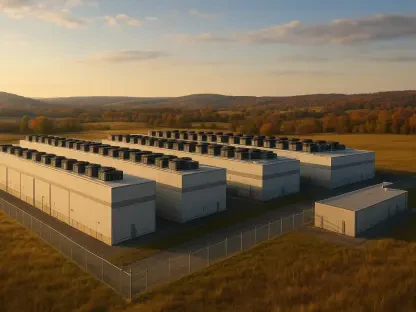
At the heart of the strategy is the construction of a massive computing foundation, beginning with a 100-megawatt facility and a specialized “neocloud” platform. Unlike traditional environments, this neocloud is purpose-built for high-intensity processing, utilizing advanced Nvidia GPU systems. These components provide the raw power necessary to handle massive datasets for AI training and real-time inference. By offering local access to these resources, Zankore effectively lowers the barrier to entry for regional developers and startups, fostering a more inclusive and vibrant tech ecosystem without the prohibitive costs of proprietary hardware.
Strategic Synergy Between Telecom and AI Giants
The success of this venture hinges on a collaborative effort involving Indosat Ooredoo Hutchison, Nvidia, and Nokia. This partnership illustrates a trend where telecommunications operators are evolving into comprehensive digital service providers. Nokia provides the networking resilience required for massive data throughput, while Nvidia offers the technological backbone. The Ooredoo Group’s $800 million commitment for a 49% stake highlights global confidence in this model. By integrating 5G and edge computing, these partners are creating a seamless environment where connectivity and intelligence coexist for scalable digital solutions.
Navigating Operational Hurdles and Market Volatility
Despite the optimistic outlook, the project faces complexities involving consistent power and advanced liquid cooling systems to manage high-density heat. There is also the challenge of the “skills gap,” as managing such a sophisticated environment requires a highly specialized workforce. High debt remains a risk if market demand does not scale in tandem with an aggressive roadmap aiming for one gigawatt of capacity. Addressing these operational realities is crucial, as the long-term viability of the factory depends as much on infrastructure reliability and human capital as it does on financial backing.
Future Trends in the Global AI Infrastructure Race
The Zankore initiative is a precursor to a wider shift in how nations approach digital sovereignty. Moving from 2026 to 2028, there will likely be an increase in “sovereign AI” projects where countries invest in domestic hardware to protect data. Technological advancements in energy-efficient chips and modular data center designs will play a significant role in mitigating power demands. Furthermore, as regulatory frameworks evolve, this project will provide a blueprint for how public-private partnerships navigate compliance. Experts predict that the convergence of AI and green energy will become the next major frontier for large-scale infrastructure.
Actionable Strategies for Navigating the New Digital Landscape
For businesses, the emergence of a domestic AI factory offers distinct strategic advantages. To leverage this infrastructure, companies should begin by auditing current data workflows to identify where local high-performance computing can reduce costs. Investing in internal upskilling, particularly in AI model deployment, ensured that organizations maximized the tools provided by the neocloud. For policymakers, the priority remained the development of specialized vocational training programs to build a pipeline of infrastructure talent. By aligning business goals with newfound domestic computing power, enterprises transitioned from technology adopters to global innovators.
Pioneering Indonesia’s Path as an AI Architect
The $3.1 billion investment represented more than just a financial transaction; it served as a declaration of intent for a new technological era. By building the country’s first AI factory, the consortium provided the essential tools for digital creativity and economic growth. While the road ahead involved operational and financial hurdles, the strategic significance of domestic infrastructure remained clear. As the project progressed toward its gigawatt goal, it functioned as the cornerstone of a digital identity. This initiative ensured that the nation was not just a participant in the future, but a primary architect of the global intelligence economy.