
CSignum Cloud serves as a specialized data services suite that integrates wireless underwater network outputs into modern digital and AI-driven systems. This innovation arrives at a critical juncture as global industries grapple with the immense difficulty of harvesting real-time data from submerged environments. Historically, the water-air interface has acted as a formidable barrier to radio frequencies, forcing reliance on tethered solutions or slow acoustic pulses. The shift toward more sophisticated environmental monitoring and infrastructure management demands a radical departure from these legacy methods. By utilizing electromagnetic fields, CSignum facilitates a seamless flow of information from the depths to the surface without the logistical nightmares of subsea cabling. This approach addresses a vital gap in maritime operations where traditional sensor networks often fail due to harsh conditions. The recent injection of £2.6 million in funding from investors like Archangels and Scottish Enterprise underscores the urgency of this transition as the industry moves away from restrictive hardware toward more agile data solutions.
Breaking the Barrier: The Science of Electromagnetic Fields
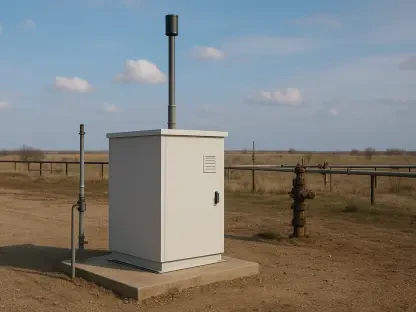
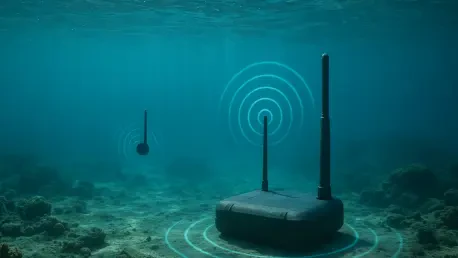
The technical foundation of this disruption lies in the EM2 technology, which bypasses the limitations of acoustic signaling. Acoustic methods are often plagued by latency, interference from marine life, and significant energy consumption. In contrast, CSignum’s electromagnetic approach allows for reliable transmission through water, the surface splash zone, and even soil. This versatility makes it an ideal candidate for monitoring water quality and supervising the integrity of critical infrastructure like subsea pipelines or offshore wind foundations. Topside receiving devices can be mounted conveniently on shorelines or existing maritime structures, effectively bridging the gap between the physical underwater world and terrestrial digital platforms. By eliminating the need for expensive subsea cables, the company reduces both initial capital expenditure and long-term maintenance liabilities. This represents a fundamental shift in how marine data centers and researchers conceptualize their deployment strategies, favoring modularity over permanent and invasive hardware installations.
Beyond the hardware, the strategic allocation of fresh capital is driving a major expansion of the global workforce across the United Kingdom, the United States, and the European Union. This growth reflects a broader industry trend where deep tech startups are prioritized for their ability to provide high-resolution data in inaccessible regions. As environmental regulations become increasingly stringent from 2026 to 2028, the demand for precise, real-time monitoring of maritime ecosystems will only intensify. Investors from PXN Ventures and the British Business Bank have recognized that CSignum’s solution arrives exactly when the global infrastructure needs it most. The ability to streamline data harvesting from the subsea environment without tethered constraints provides a competitive edge to energy companies and government agencies alike. By scaling their operations now, the company is positioning itself as the primary architect of a new wireless standard for underwater communication, ensuring that the oceans are no longer a “dark zone” for the digital world’s most advanced analytical tools.
Strategic Leadership: Navigating the Commercial Landscape
The transition of leadership from founder Jonathan Reeves to John Nicholls signals a deliberate shift from the experimental phase to commercial dominance. Nicholls brings a mandate to scale these innovations into large-scale deployments that can support the evolving needs of the “blue economy.” This phase involves moving beyond pilot programs and into the widespread integration of EM2 systems within standard maritime operations. The company is now focused on bridging the communication gap between raw underwater data and the digital dashboards used by decision-makers. This shift is not merely about selling hardware; it is about providing a comprehensive data ecosystem that empowers stakeholders to make informed choices based on current environmental conditions. By offering a cable-free alternative, CSignum is effectively rewriting the playbook for subsea maintenance and ecological preservation. The focus remains on reliability and the integration of these wireless networks into broader IoT frameworks to ensure that subsea data is as accessible as terrestrial data.
The path forward required a fundamental reassessment of how submerged assets were monitored and managed. It became clear that stakeholders who prioritized the adoption of wireless electromagnetic solutions gained a significant advantage in operational efficiency and cost reduction. Moving away from the high-risk installation of physical subsea cables proved to be a decisive factor in maintaining infrastructure integrity during harsh weather cycles. Future considerations dictated that the integration of AI-driven analytics with real-time underwater data would become the industry benchmark. Organizations were encouraged to audit their existing sensor networks and identify zones where electromagnetic transmission could replace outdated acoustic or tethered systems. This shift ensured that environmental protection efforts were supported by robust, uninterrupted data streams. By embracing this technology, the industry successfully addressed the long-standing challenge of data extraction from difficult environments. The focus then shifted toward standardizing these protocols across international waters to ensure global interoperability.