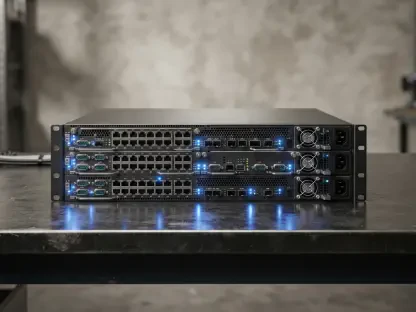

Capping the cost of network interconnection is expected to lower barriers for diverse operators and create a more efficient ecosystem for exchanging digital data. As India continues to cement its status as a global digital powerhouse, the infrastructure supporting this growth requires a regulatory framework that matches the speed of technological evolution. The Telecom Regulatory Authority of India has recognized that the old ways of connecting networks no longer serve the current appetite for high-speed internet and seamless connectivity. By introducing the Telecommunication Interconnection (Third Amendment) Regulations, the governing body is effectively overhauling a system that remained static for over a decade. This move represents a pivot toward transparency and fairness, ensuring that smaller players are not priced out by larger incumbents. Technical efficiency and cost-effectiveness are now the primary drivers of network expansion across the diverse landscape.
Modernizing the Network
Transition to IP
For years, the Indian telecom industry relied on legacy E1/TDM technology, which functioned as the backbone for voice-centric communication. However, the surge in data consumption has rendered these older systems obsolete, creating a bottleneck that hinders the deployment of advanced 5G and high-capacity broadband services. The new regulations officially redefine what constitutes a port, shifting the focus from outdated physical connections to high-bandwidth Internet Protocol connections measured in Megabits and Gigabits per second. This shift is not merely a change in terminology; it is a fundamental recognition of the industry’s transition toward an all-IP architecture. By aligning the rules with current technological realities, the regulator is encouraging service providers to retire inefficient hardware in favor of more scalable software-defined networking solutions. This modernization ensures that the digital backbone remains resilient enough to handle traffic.
Standardized Costs
One of the most significant hurdles for smaller internet service providers has been the unpredictable and often exorbitant cost of interconnecting with established networks. To address this, the current framework establishes strict annual price ceilings for IP ports, setting a cap of Rs 5.6 lakh for a 1 Gbps port and Rs 42.3 lakh for a 10 Gbps port. These benchmarks act as a protective ceiling, preventing larger operators from using interconnection fees as a tool to stifle competition. While these limits are mandatory, the regulation wisely allows for flexibility, permitting operators to negotiate lower rates through mutual agreement if they choose. For capacities that do not fit the specific 1 Gbps or 10 Gbps buckets, the pricing must adhere to the same underlying methodology used for the core benchmarks. This provides the industry with financial predictability, allowing for more accurate long-term infrastructure planning and investment strategies for urban markets.
Market Oversight
Enforcement Rules
A regulatory framework is only as effective as its enforcement, and the latest amendment introduces a graded penalty system to ensure strict compliance with the new pricing mandates. Service providers who fail to adhere to the prescribed port charges or discriminatory practices will face financial consequences, with penalties capped at Rs 15 lakh per service area for each instance of non-compliance. This proactive stance by the regulator aims to eliminate the “take-it-or-leave-it” attitude often found in negotiations between dominant players and smaller competitors. By standardizing the financial penalties, the governing body is sending a clear signal that the era of opaque interconnection deals is coming to an end. This enforcement mechanism is designed to promote a non-discriminatory environment where access to the national digital grid is treated as a utility rather than a luxury. Such oversight is critical for maintaining a level playing field, ensuring that innovation and quality remain paramount.
Industry Evolution
The final phase of this regulatory shift involved a strategic transition period, with the new rules scheduled to take full effect on January 1, 2027. This timeline provided operators several months to recalibrate their financial models and update their technical interconnections without causing immediate disruption to consumer services. While the focus was heavily on IP-based connections, provisions for legacy E1 ports were maintained to support operators who were still in the process of upgrading their older infrastructure. This pragmatic approach prevented a sudden cliff-edge scenario where legacy networks might have become financially unviable overnight. To maximize the benefits, stakeholders conducted thorough audits of their existing interconnection agreements and initiated technical adjustments to meet the new standards. Service providers also explored ways to optimize their network topology to take advantage of the lower 10 Gbps price caps. These preparatory steps ensured that the transition strengthened the ecosystem.