
The telecommunications sector is currently witnessing a dramatic pivot where the traditional call center model is rapidly dissolving into a highly intelligent and automated ecosystem capable of managing millions of customer interactions simultaneously. This transition highlights the critical

The global acceleration of autonomous industrial ecosystems has created a critical demand for networks that do more than just transport packets of data between isolated endpoints across fragmented systems. Modern industrial entities are increasingly abandoning experimental pilot projects in favor
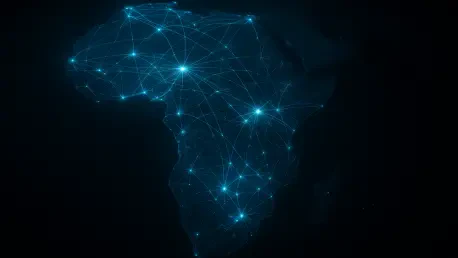
Billionaire entrepreneur Strive Masiyiwa utilized his background in electrical and electronic engineering from Cardiff University to dismantle bureaucratic barriers within African infrastructure. This foundation allowed him to see beyond the immediate limitations of regional connectivity,
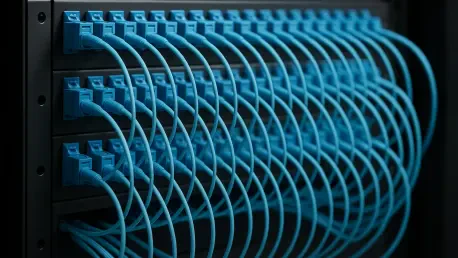
Infrastructure providers are increasingly looking for ways to maximize fiber density without increasing the physical footprint of their existing cable pathways. This pressing demand catalyzed the recent announcement by InfraTech Cables, a specialized manufacturing platform under the umbrella of

NASA and ISRO have established a new standard for geophysical research by making high-resolution, analysis-ready radar data accessible through cloud-based platforms. This monumental shift in data accessibility is perfectly exemplified by the recent observations of the Krasheninnikov volcano,

The cost of a completed operational outcome is becoming a more critical metric for financial performance than the granular price of individual token consumption. As the telecommunications sector moves into 2026, the transition toward fully autonomous network management has shifted from a