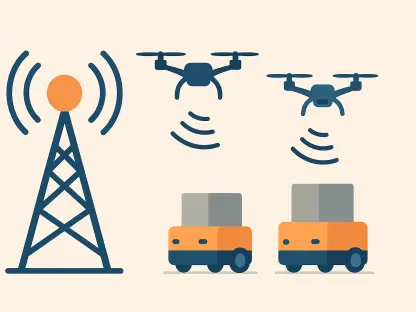

The telecommunications landscape has shifted from a focus on raw connectivity toward a model where the network serves as an intelligent, self-healing organism that optimizes itself without human intervention. The Nokia AI-RAN Integration represents the vanguard of this movement, moving beyond the

Legacy testing methods that evaluate switches or cables in isolation are proving inadequate for the rigorous demands of synchronized AI processing tasks. As the global push toward massive-scale intelligence accelerates, the underlying infrastructure must evolve from simple data conduits into highly

The traditional blueprint for corporate connectivity is disintegrating as enterprises realize that fixed bandwidth contracts cannot keep pace with the erratic demands of artificial intelligence. This shift has prompted the release of a cloud-like consumption model that pivots away from rigid

The persistent friction between corporate communication requirements and the user preference for a native smartphone interface has finally met its match in the rise of SIM-based UCaaS technology. This innovation represents a significant advancement in the unified communications sector by

The global telecommunications landscape is currently vibrating with the energy of a technological shift that mirrors the industrial revolution in its sheer scale and transformative potential. This period, characterized by the rapid integration of artificial intelligence into the very fabric of

The rapid convergence of cloud-native infrastructure and artificial intelligence has pushed telecommunications providers toward a pivotal moment where machine agency replaces static automation as the industry standard. This shift marks the rise of agentic network operations, a framework where