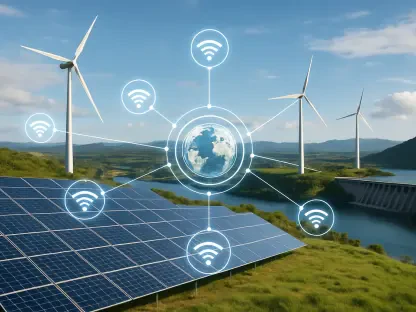

The rapid proliferation of decentralized energy sources like solar farms and wind turbines is forcing a fundamental shift in how global power grids operate. For decades, the electricity sector relied on a centralized model where a few massive, fossil-fuel-burning plants generated predictable amounts of power. Today, this paradigm is crumbling as thousands of small-scale generation points, ranging from massive offshore wind arrays to residential rooftop solar panels, flood the network with energy. This decentralized reality presents a massive coordination challenge for utilities and system operators who must now balance supply and demand with millisecond precision across an increasingly complex web of connections. Moving from 2026 into 2027, the focus has shifted entirely toward creating an automated, intelligent ecosystem capable of self-regulation. Without advanced digital intervention, the sheer volatility of renewable energy risks overwhelming historical infrastructure. The integration of the Internet of Things is no longer a choice but a necessity for stability.
Navigating the Technical Complexities of Modern Grids
Managing Intermittency and Bidirectional Power Distribution
One of the primary technical hurdles facing the energy sector involves the inherent volatility of renewable resources. Unlike traditional coal or gas plants that can be dialed up or down at will, wind and solar output are dictated by fluctuating weather patterns. This creates a situation where energy generation can spike during periods of low demand or drop off when consumption is at its highest. Furthermore, the rise of domestic energy exports has turned the traditional one-way street of electricity distribution into a complex, two-way highway. Households are no longer just consumers; they are active participants that feed surplus solar power back into the local network. Between 2026 and 2028, grid operators expect a significant increase in the adoption of electric vehicles and heat pumps, both of which place immense, intermittent strain on aging distribution transformers. Managing these diverse inputs requires a level of oversight that traditional mechanical systems cannot provide.
Deploying Sensory Infrastructure for Real-Time Monitoring
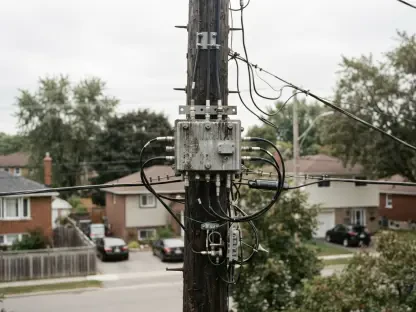
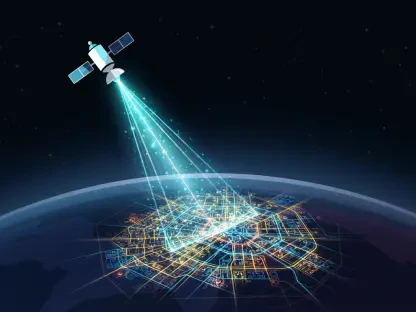
To address these challenges, the deployment of Internet of Things (IoT) sensors and smart meters has become the cornerstone of grid modernization. These devices function as a sensory nervous system, providing operators with a granular, high-definition view of every node in the network. By utilizing advanced sensors on substations and high-voltage lines, utility companies can now monitor temperature, load, and performance in real-time, even in the most remote or harsh environments. This connectivity allows for the immediate detection of faults, often before they result in customer outages. A notable example is the recent progress by UK Power Networks, which leveraged disaggregated smart meter data and machine learning algorithms to model substation usage with unprecedented accuracy. This approach allowed for the rapid connection of low-carbon technologies without the need for costly and time-consuming physical reinforcements. By the end of 2027, such data-driven deployments will likely be the standard for global energy management.
Strategic Integration of Intelligence and Data Analytics
Virtual Modeling and Proactive Maintenance Strategies
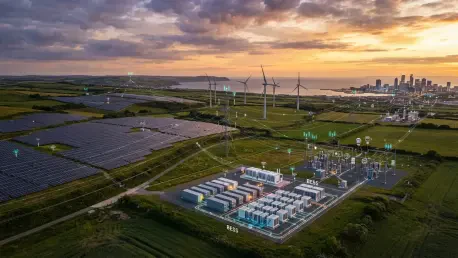
The massive influx of raw data from millions of connected IoT devices necessitates a shift toward sophisticated visualization and analytical tools. Engineering teams are increasingly relying on digital twins, which are high-fidelity virtual replicas of physical grid assets. These digital models allow operators to simulate various what-if scenarios, such as the impact of a sudden solar surge or a severe storm, without risking the actual infrastructure. Predictive analytics play a vital role here, transforming basic readings into strategic operational insights. Instead of performing maintenance based on a fixed schedule, companies can now predict equipment failure by identifying subtle anomalies in vibration or heat signatures. This shift from reactive repairs to proactive management significantly reduces downtime and operational costs. For instance, forecasting models can now anticipate solar export levels based on hyper-local weather data, allowing operators to preemptively adjust energy storage levels in massive battery arrays.
Addressing Security Risks and Ensuring System Longevity
As the energy landscape became more interconnected through 2026, the focus on data interoperability and cybersecurity intensified significantly. The expansion of the attack surface through millions of new IoT access points required a comprehensive overhaul of procurement and governance standards. Industry leaders prioritized the development of secure communication protocols to protect the integrity of the grid from external threats. Moving toward 2028, the successful integration of these technologies proved that a distributed energy model was not only viable but superior in terms of resilience and efficiency. Stakeholders discovered that the transition to a sustainable future depended entirely on the ability to turn disparate data points into a cohesive, manageable whole. The implementation of standardized IoT frameworks allowed for the seamless addition of new renewable sources while maintaining the highest levels of grid stability. Ultimately, the adoption of these digital tools ensured that the global shift toward clean energy remained both technically feasible and sustainable.