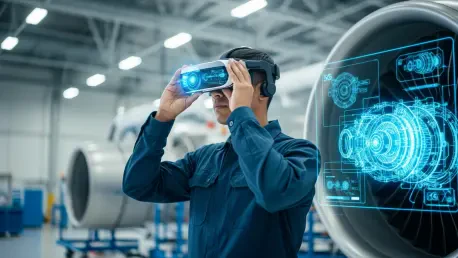
The transition from two-dimensional browsing to a three-dimensional digital experience represents a fundamental shift in how human populations interact with information and physical space simultaneously. Telecommunications providers are no longer content with being simple conduits for raw data;

Beyond Mobile Plans: The Strategic Shift Toward a Foundation for the Intelligence Economy The traditional telecommunications business model is currently undergoing a radical metamorphosis as stagnant mobile subscription growth forces industry titans to reinvent themselves as the high-capacity
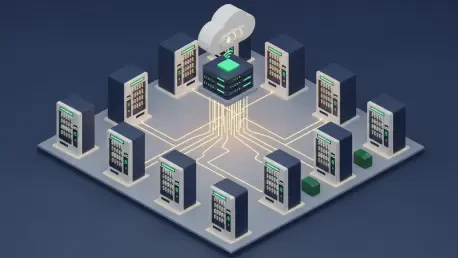
The rapid expansion of unattended retail has forced operators to confront a significant technological gap where traditional vending machines lack the sophisticated connectivity needed for modern asset management. This shift has turned simple vending fleets into complex networks of AI-driven smart

The Shift in European Telecommunications and the Emergence of a New Leader Navigating the complex landscape of European telecommunications has long felt like a slow crawl through regulatory mazes and saturated markets where no single player could truly break away from the pack until recently. After

Modern telecommunications operators are currently facing a massive shift in how they manage their digital infrastructure as traditional methods of reacting to hardware alarms prove insufficient. The old way of doing things, which typically involved waiting for a physical component to fail before

The persistent frustration of losing cellular signal while traveling through remote canyons or across vast oceanic stretches has long been considered an unavoidable tax on modern mobility. However, as the telecommunications industry moves deeper into 2026, the arrival of direct-to-device satellite