
The rapid convergence of terrestrial mobile networks and low-Earth-orbit satellite constellations has ignited a sophisticated regulatory battleground where traditional South Korean telecommunications giants now find themselves defending their technological sovereignty against the aggressive global expansion of SpaceX’s Starlink service. This friction is not merely a corporate rivalry over market share but a foundational dispute regarding the international technical standards that will dictate how satellite-to-handset signals interact with the existing cellular infrastructure already covering the peninsula. While the promise of ubiquitous connectivity is appealing, the technical reality involves a delicate balance of radio frequency management that could either enhance or degrade current mobile performance for millions of users. As regulators and industry leaders engage in high-stakes negotiations, the outcome will likely determine the hierarchy of global connectivity for the remainder of this decade across the East Asian market.
The Domestic Defense: Superiority of Terrestrial Infrastructure
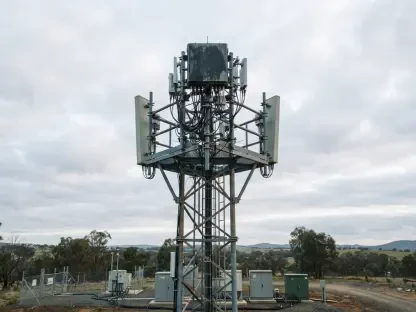
Major South Korean operators, specifically SK Telecom and LG Uplus, have recently projected a posture of strategic indifference toward the immediate threat posed by Starlink’s expansion into the regional mobile sector. During evaluations of recent quarterly earnings, executives from these dominant firms characterized the potential impact of low-Earth-orbit satellite services as limited within the context of the domestic consumer market. Their collective confidence is anchored in the reality that South Korea maintains one of the most exceptionally dense and high-quality 5G networks in the world, providing speeds and reliability that current satellite technology struggles to match in urban environments. Furthermore, these incumbents argue that for any satellite provider to effectively challenge the business-to-consumer segment, they would need to commit to massive capital investments to secure the data capacity and spectrum required to support a population used to near-perfect wireless service.
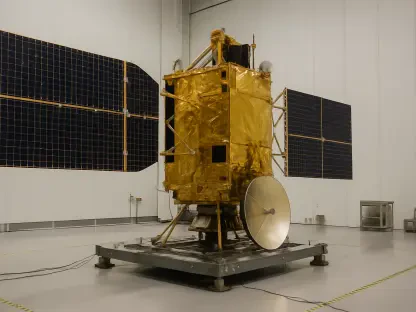
Despite the potential of direct-to-cell technology, South Korean telecommunications leaders emphasize that space-based communications currently occupy a specialized niche rather than a mass-market alternative. Services provided by SpaceX and its competitors are primarily focused on the maritime and aviation sectors, where traditional towers cannot reach, rather than replacing the daily smartphone habits of city dwellers. From 2026 to 2028, the strategic focus for local carriers will remain on optimizing their terrestrial footprints while monitoring the evolution of satellite latency. There is a prevailing belief among these firms that the technological barrier to entry for satellites remains high enough to prevent a significant erosion of their core revenue streams. However, this defensive stance assumes that the regulatory environment will continue to prioritize existing terrestrial licenses over the more flexible demands of satellite operators who seek to broadcast directly to unmodified consumer devices.
Technical Disputes: The Battle Over Spectrum Interference
The technical divide at the International Telecommunication Union has created a rift between advocates of the 1 MHz and 5 MHz interference standards. South Korean carriers support the 1 MHz increment, which offers a granular view of spectrum usage to ensure that satellite broadcasts do not bleed into terrestrial bands and degrade existing services. This approach is designed to protect the integrity of dense urban 5G networks where high-frequency signals are sensitive to even minor disruptions. In contrast, SpaceX has pushed for the 5 MHz standard, arguing that the wider evaluation provides the operational flexibility necessary to deploy satellite-to-handset services at scale. This wider standard reduces complexity for satellite constellations but has raised concerns among traditional operators regarding the potential for increased signal noise and a reduction in the quality of service for their primary consumer base, forcing a compromise that must eventually balance both industrial interests.
The industry eventually reached a consensus by adopting a phased implementation of interference mitigation technologies that allowed for the coexistence of orbital and ground-based signals. It was determined that the most effective solution involved real-time frequency coordination between satellite operators and terrestrial carriers to prevent any measurable degradation of service in high-density areas. Telecommunications providers expanded their service portfolios by entering into roaming agreements with satellite constellations, ensuring that users remained connected in remote environments where traditional towers were absent. These stakeholders prioritized the development of unified hardware standards that enabled consumer devices to switch between networks without user intervention. By focusing on technical harmonization rather than regulatory conflict, the global community established a more resilient communication framework that supported both ground network stability and the innovation of space-based connectivity.