
By establishing a 100 Mbps baseline, the government acknowledges that digital participation is now an essential requirement for modern socioeconomic life. This legislative shift, enacted through a royal decree governing universal telecommunications, represents a departure from the era when
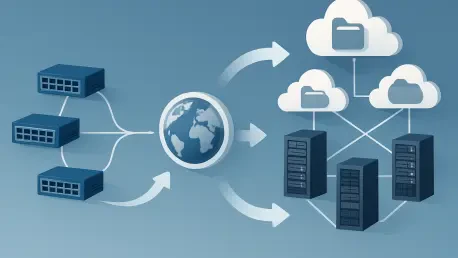
Innovations in photonic-enabled backbones are making it possible for the network to be programmable at the deepest physical levels of the infrastructure. This shift marks a departure from the historical era where the transport layer was a static, opaque utility provided by distant

The introduction of a formal voluntary surrender mechanism allows telecom operators to retire points of interconnection without the legal friction typically associated with service withdrawals. This strategic change, embedded within the Telecommunication Interconnection (Third Amendment)

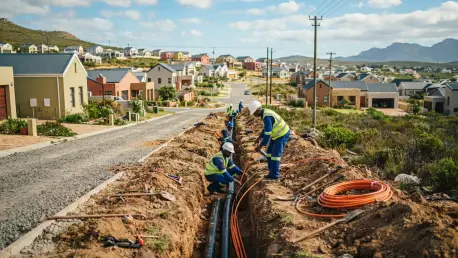
Bridging the Digital Divide Through Unprecedented Infrastructure Investment The ongoing transformation of the American broadband landscape through the deployment of fiber-to-the-premises technology across more than one hundred thousand new locations signifies a monumental shift in national

Inflation-weary consumers are increasingly prioritizing price certainty, leading to a rise in long-term fixed-rate offers from major telecommunications firms. This trend has become particularly evident as the 2026 holiday shopping season approaches, with T-Mobile launching an aggressive promotional

AT&T's ongoing push to decommission its copper network in California has triggered a significant legal and regulatory confrontation over the federal government's authority to preempt state service standards. This conflict highlights a deep-seated philosophical divide between federal regulators, who