
The financial sector is witnessing a shift in digital asset management as Bitmine Immersion Technologies nears a 5% ownership stake in the total circulating supply of Ethereum. This milestone serves as a centerpiece for a broader industrial transformation that is currently reshaping how the world’s largest corporations approach connectivity, data processing, and defense. As we navigate the complexities of 2026, the convergence of traditional telecommunications infrastructure with next-generation satellite deployments and specialized artificial intelligence hardware has become the primary driver of market growth. This evolution is not merely about incremental improvements in speed or capacity; it represents a fundamental re-engineering of the global digital foundation. Major players are now moving away from siloed service models toward integrated, high-resiliency frameworks that can support the extreme demands of autonomous systems, distributed ledgers, and massive-scale AI inference. The current market environment is characterized by high-stakes partnerships where physical infrastructure providers and technology titans are co-investing in the “picks and shovels” of the modern economy. From the deployment of ultra-dense fiber corridors across North America to the launch of thousands of Low-Earth-Orbit satellites, the race to provide “always-on” connectivity has reached a critical fever pitch. These developments are further complicated by the institutionalization of digital assets, where companies are no longer treating tokens as speculative bets but as productive capital assets that generate predictable yields through sophisticated staking networks. Consequently, the industrial landscape is increasingly defined by its ability to provide low-latency, high-bandwidth solutions that bridge the gap between the physical world and the burgeoning digital frontier.
The Evolution of Connectivity and Data Processing
Satellite Integration and Enterprise Expansion: Bridging the Terrestrial Gap
The current partnership between AT&T and Amazon serves as a definitive case study in how telecommunications providers are evolving to meet the needs of the modern enterprise. By integrating Amazon’s Leo satellite broadband services directly into its 5G and fiber-optic networks, AT&T is effectively creating a multi-layered connectivity architecture that eliminates traditional points of failure. This strategy is particularly vital for the public sector and enterprise clients who operate in remote or geographically challenging environments where terrestrial infrastructure is either non-existent or vulnerable to disruption. This “new layer” of connectivity is designed to be fully managed, allowing businesses to transition between cellular, fiber, and satellite links without experiencing downtime. The focus has shifted from providing a simple backup solution to establishing a resilient, integrated network that ensures mission-critical operations remain online regardless of external conditions. For Amazon, this represents a calculated entry into the enterprise telecommunications space, leveraging its massive logistics and cloud-computing reputation to provide a reliable alternative to established satellite operators.
Amazon is aggressively scaling its orbital infrastructure to challenge the existing monopoly in the Low-Earth-Orbit sector, demonstrating a significant commitment to long-term aerospace expansion. While its current fleet of approximately 392 satellites is smaller than that of its primary competitors, the strategic focus on the enterprise market has allowed it to secure high-profile contracts with entities like Delta Air Lines and various government agencies. These initial deployments, which began in early 2026, have successfully validated the technical viability of its high-speed, low-latency broadband service. The integration with AWS infrastructure provides an additional competitive advantage, as enterprise customers can now access cloud services directly through the satellite link, reducing latency and improving security for distributed workloads. This expansion is part of a broader trend where major technology firms are vertically integrating their service offerings, moving from providing software and platforms to owning the physical transmission layers that carry their data. By building out this orbital network, Amazon is positioning itself as a central pillar of global connectivity, capable of serving the next billion users while providing the high-capacity links necessary for the widespread adoption of autonomous and AI-driven technologies.
The Shift to Specialized AI Hardware: A Milestone in Semiconductor Strategy
A landmark agreement between Qualcomm and Amazon has signaled a major pivot for the semiconductor industry, moving the focus from mobile handsets to the high-demand world of AI data centers. This multi-generation collaboration is centered on the development of customized silicon designed specifically for AI inference, a process that is increasingly critical as corporations transition from training large-scale models to deploying them in real-time environments. Qualcomm’s entry into this space represents a significant diversification strategy, allowing the company to leverage its expertise in low-power, high-performance computing to solve the energy and efficiency challenges currently facing modern data centers. The partnership utilizes Amazon Web Services infrastructure, specifically the Amazon Bedrock platform, to accelerate the chip design cycle and bring new hardware to market with unprecedented speed. This approach ensures that the resulting hardware is optimized for the actual workloads it will encounter, providing a technical advantage over generic processing units. The deal is further reinforced by a massive financial commitment, with Amazon holding warrants to acquire up to 25 million Qualcomm shares, a move that aligns the long-term success of both companies.
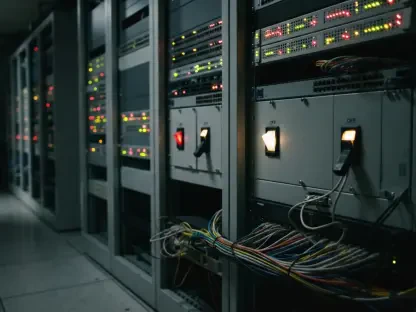
Beyond the development of specialized chips, the alliance between these giants is pushing the boundaries of optical connectivity to support the massive data transfer speeds required by modern AI architectures. The two companies are co-developing optical solutions capable of supporting speeds up to 1.6 terabits per second, a technical necessity for the high-bandwidth interconnects that link modern server clusters. This focus on the physical layer of data center efficiency is a direct response to the “memory wall” and “interconnect bottleneck” issues that have historically limited the scaling of large language models and autonomous processing tasks. By integrating these advanced optical solutions with customized inference silicon, Qualcomm and Amazon are creating a high-performance ecosystem that can handle the extreme throughput of 2026-era workloads. This strategy reflects a broader industrial realization that the next phase of AI growth will be determined as much by the efficiency of the underlying hardware and connectivity as by the complexity of the software algorithms. As more companies seek to localize AI processing to reduce latency and improve privacy, the demand for these specialized, high-efficiency systems is expected to grow exponentially, placing Qualcomm at the center of the next great wave of hardware innovation.
Physical Infrastructure and Digital Assets
Building the Physical Backbone for AI: The Fiber Optic Super-Cycle
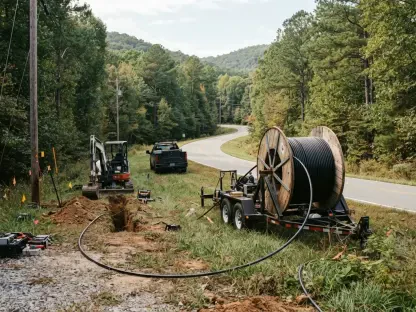
While satellite technology offers a dynamic solution for remote connectivity, the foundational layer of the global digital economy remains firmly rooted in the physical reality of fiber optics. The multi-year supply agreement between Verizon and Corning exemplifies this trend, with a commitment to deploy over 80 million miles of high-density optical fiber between 2027 and 2032. This massive investment is driven by the emergence of “AI corridors,” which are specialized network routes designed to connect the massive data centers powering the current machine learning boom. These corridors require significantly higher fiber density than traditional consumer broadband networks to handle the low-latency, high-capacity requirements of AI model training and real-time data processing. Verizon’s goal of reaching 50 million broadband passings is intrinsically linked to this infrastructure expansion, as the company seeks to build a network that can serve both residential customers and the most demanding industrial clients. By securing a long-term supply of specialized cable technology, Verizon is effectively future-proofing its network against the rising data demands of the next decade, ensuring it remains the primary carrier for the world’s most critical information.
Corning’s role in this infrastructure boom has transitioned the company from a glass manufacturer into a central player in the AI hardware ecosystem. The development of specialized technologies, such as the Contour Flow Cable, allows for a much higher density of fiber to be installed within existing underground conduits, significantly reducing the cost and complexity of network upgrades. This innovation is a crucial component of the current “AI Connect” strategy, as it enables telecommunications providers to expand their capacity without the need for extensive new trenching or construction in urban environments. This agreement follows a series of high-profile partnerships with other tech leaders, including Nvidia, which have already resulted in a ten-fold expansion of Corning’s optical-connectivity capacity in North America. For manufacturers, these multi-billion-dollar long-term contracts provide a level of stability that is rare in the high-volatility tech sector, allowing them to invest heavily in research and development and manufacturing capacity. As the physical demands of AI continue to grow, the companies that control the production and deployment of high-density fiber will hold significant leverage over the pace of digital innovation.
The Institutionalization of Digital Currency: Ethereum as a Productive Asset
The financial landscape is undergoing a significant transformation as digital assets like Ethereum transition from speculative instruments into recognized institutional macro-assets. Bitmine Immersion Technologies is currently leading this shift, approaching a milestone where it will control 5% of the total circulating supply of Ethereum. This strategy, described by industry leaders as the “Alchemy of 5%,” is centered on the utilization of digital tokens as productive capital through sophisticated staking networks. By deploying over 5 million ETH into its “Made in America Validator Network,” Bitmine is generating hundreds of millions of dollars in annual revenue while simultaneously providing the security and processing power necessary for the Ethereum network to function. This model represents a maturation of the digital asset space, where value is derived from the utility and cash flow generated by the network rather than simple price appreciation. The shift toward staking has also allowed firms to create more predictable financial forecasts, making digital assets more attractive to traditional fund managers who require consistent yields and clear risk profiles.
This institutionalization is further bolstered by the increasing integration of digital assets into broader corporate balance sheets and investment portfolios. Bitmine’s portfolio now includes not only a massive reserve of Ethereum and Bitcoin but also strategic stakes in industrial and technology firms, creating a diversified asset base valued at nearly $15.7 billion. This approach mirrors the treasury management strategies of traditional industrial conglomerates, where cash reserves and liquid assets are put to work to generate additional value. The current market cycle is also benefiting from increased retail and institutional interest in international markets, as well as a more stable regulatory environment provided by new legislative frameworks. These factors have helped establish Ethereum as a “macro asset” that institutional investors can no longer afford to ignore, especially as the staking yields begin to outperform traditional fixed-income products. As more companies adopt this validator-based revenue model, the distinction between “crypto companies” and traditional financial services firms will continue to blur, leading to a more integrated and resilient global financial system that leverages the transparency and efficiency of distributed ledger technology.
Financial Innovation and Specialized Defense
The Rise of Prediction Markets and Fintech Services: Expanding the Retail Frontier
Robinhood Markets is currently executing a strategic transformation that is repositioning the company from a simple trading application into a comprehensive financial services and prediction market powerhouse. The launch of its exchange, Rothera, has quickly captured a significant share of the global prediction market, allowing users to trade on the outcome of real-world events. This move has opened an entirely new revenue stream that leverages Robinhood’s existing user base and deep liquidity to challenge traditional betting and financial forecasting platforms. Market analysts have noted that the success of Rothera is largely due to its integration with the core Robinhood app, providing a seamless experience for retail investors who are increasingly interested in event-based trading. The platform’s ability to generate significant annualized revenue within its first few months of operation has validated the market’s appetite for these specialized financial products. By offering low fees and a user-friendly interface, Robinhood is effectively democratizing access to prediction markets, which were previously the domain of professional traders and specialized offshore platforms.
The company’s expansion into more traditional institutional services, such as IPO underwriting, further demonstrates its ambition to compete directly with established investment banks. By securing regulatory approval to serve as an underwriter for high-profile public offerings, Robinhood is bridging the gap between its retail roots and the world of corporate finance. This move is supported by strategic partnerships with major digital asset firms, which involve adding “yes-or-no” event contracts to the platform and taking minority stakes in specialized prediction market divisions. This interconnected approach allows Robinhood to offer a diverse range of financial products that appeal to a new generation of investors who prioritize transparency, accessibility, and the ability to hedge against real-world outcomes. The institutionalization of these services is expected to continue as more companies look to leverage the crowdsourced intelligence of prediction markets for risk management and strategic planning. As the lines between trading, gambling, and forecasting continue to merge, the fintech firms that can provide a regulated and liquid environment for these activities will be well-positioned to lead the next phase of financial innovation.
Technological Breakthroughs in Aerospace and Defense: Modernizing the Fleet
The industrial and defense sectors are seeing a similar drive toward high-tech modernization, as evidenced by Mobix Labs’ recent success in securing production orders for the F-16 Fighting Falcon program. This breakthrough highlights the critical importance of specialized hardware in maintaining the operational readiness of the world’s most advanced military aircraft. The contract specifically involves the production of electromagnetic interference (EMI) filtered connectors, which are essential for protecting the jet’s sensitive radar, navigation, and electronic warfare systems from internal and external interference. In an era where aerial combat is increasingly defined by electronic capabilities rather than just physical performance, the ability to ensure clean data transmission within the aircraft is a top priority for defense contractors and government agencies. This expansion for Mobix Labs follows its existing work on other flagship programs like the F-35 and F-22, solidifying its position as a key supplier in the aerospace supply chain.
The longevity of modern military fleets is being extended through sophisticated modernization programs that integrate contemporary technology into existing airframes. The U.S. Air Force’s ongoing efforts to keep the F-16 operational through 2050 have created a long-term demand for high-reliability electronic components. By securing a role in these sustainment and upgrade programs, specialized firms are ensuring a steady and predictable revenue stream that is largely insulated from the fluctuations of the consumer market. This trend reflects a broader shift in defense procurement, where the focus has moved toward hardening and upgrading electronic systems to handle the increased complexity of modern theater environments. For smaller technology providers, these high-barrier contracts serve as a significant validation of their technical expertise and manufacturing quality. As the defense industry continues to embrace digital transformation, the demand for specialized components that can withstand the rigors of modern warfare while providing advanced electronic protection will remain a primary driver of industrial growth in the aerospace sector.
Synthesis of Market Trends and Sentiment
Shifting Investor Perspectives and Sector Resilience: The “Picks and Shovels” Strategy
Current market sentiment indicates a profound shift in how both retail and institutional investors view the technology sector, with a growing emphasis on the physical infrastructure that makes digital innovation possible. While software and consumer applications often garner the most headlines, there is a clear and growing recognition of the value inherent in “picks and shovels” investments, such as fiber optics, server hardware, and specialized semiconductors. This perspective is driven by the realization that the AI boom is not just a software phenomenon but a physical one that requires massive amounts of energy, space, and connectivity. Consequently, companies like Corning and Verizon are seen as stable, long-term foundations for any tech-focused portfolio, providing a hedge against the volatility of the software market. This focus on industrial resilience is particularly evident in the telecommunications sector, where the integration of satellite and terrestrial networks is being rewarded by investors who value redundancy and the ability to serve mission-critical enterprise needs.
Legacy technology companies are also finding success by aggressively reinventing their corporate identities to align with these emerging trends. Qualcomm’s transition from a mobile-centric chipmaker to an AI data center provider is a prime example of this strategic pivot, which has been met with a shift from skeptical to bullish sentiment among market participants. Similarly, the transformation of retail-focused fintech apps into multifaceted financial service providers has helped these firms distance themselves from the “meme stock” era and establish credibility with institutional players. This adaptability is increasingly viewed as a key indicator of long-term viability, as investors look for management teams that can navigate the rapid shifts in technological demand. The current consensus suggests that while short-term market fluctuations will always exist, the underlying trend toward building a more robust and integrated digital infrastructure provides a strong fundamental floor for the companies leading this transition. This focus on tangible, high-moat infrastructure ensures that these firms remain central to the global economy for the foreseeable future.
Overarching Themes in the Industrial Epoch: Resilience through Hybridization
One of the most prominent themes defining the current industrial landscape is the drive toward resilience through the hybridization of disparate technologies. Organizations are no longer content with relying on a single type of connectivity or computing architecture; instead, they are combining fiber, 5G, and satellite links into a unified fabric that can withstand almost any disruption. This approach is mirrored in the hardware space, where companies are integrating specialized AI chips with advanced optical interconnects to create more efficient and powerful data centers. This hybridization is not just about technical redundancy; it is about creating a more flexible and responsive infrastructure that can adapt to the changing needs of the global economy. By bridging the gaps between different technological silos, these corporate giants are creating a more holistic digital ecosystem that is greater than the sum of its parts. This trend toward integration is also evident in the financial sector, where digital and traditional assets are being managed side-by-side using unified platforms and regulatory frameworks.
Artificial intelligence serves as the universal catalyst for these developments, providing the technical requirements and the economic incentive for every major infrastructure project currently underway. Whether it is the design of a new high-density fiber cable or the development of a specialized inference chip, the primary goal is to support the massive data and processing needs of machine learning systems. This has led to an increase in strategic equity partnerships, where major customers and technology providers become deeply intertwined through shared ownership and long-term commercial milestones. These alliances, such as the one between Amazon and Qualcomm, ensure that both parties are mutually invested in the success of the technology, reducing the risk of project failure and accelerating the pace of innovation. As we look toward the future, it is clear that the companies that can successfully manage these complex, multi-layered partnerships and technical integrations will be the ones that define the next era of global commerce. The move toward a more integrated, resilient, and AI-powered world is now an established reality, driven by the massive capital investments and strategic vision of the world’s most powerful corporations.
Strategic Adjustments in Global Infrastructure Development
The industrial landscape of recent years was defined by a transition from theoretical development to the large-scale physical implementation of advanced digital systems. Corporations across the telecommunications, aerospace, and financial sectors successfully integrated disparate technologies to create a more resilient and high-capacity global infrastructure. This period was marked by the successful deployment of thousands of Low-Earth-Orbit satellites and the laying of millions of miles of high-density fiber, which collectively provided the necessary bandwidth for the widespread adoption of artificial intelligence. The financial sector also played a critical role in this evolution by institutionalizing digital assets and creating new revenue models through network validation and prediction markets. These actions stabilized the broader tech market and provided a clear path for future growth by focusing on the essential “picks and shovels” of the digital age. As the focus shifts toward optimizing these newly built systems, the emphasis will likely move to improving energy efficiency and further reducing latency to support the next generation of autonomous applications. The successful completion of these infrastructure milestones has established a robust foundation for a more connected and data-intensive global economy. Moving forward, stakeholders should focus on the continued hardening of these networks against emerging cyber threats and the refinement of regulatory frameworks to ensure that this rapid technological expansion remains both sustainable and secure. The era of foundational build-out has largely concluded, leaving behind a sophisticated infrastructure that is now ready for the next level of operational refinement.