
Modern digital independence requires a connection that remains stable regardless of how many devices are competing for bandwidth during peak evening hours. Middle Tennessee is currently navigating a technological revolution that mirrors the historical pursuit of independence, moving away from restrictive legacy internet systems. For years, residents struggled with outdated copper infrastructures, which were never designed to handle the data loads required today. By embracing fiber-optic technology, the region is upgrading its physical hardware and securing a future where connectivity is a catalyst for growth rather than a bottleneck. This transition represents a fundamental shift in how data moves across the landscape, replacing old wires with ultra-thin glass strands that transmit information via pulses of light. The reliability of this system ensures that families and businesses no longer have to worry about signal degradation or interference. As the digital demands of households continue to grow, this shift towards fiber ensures that every resident can maintain a seamless connection, effectively ending the era of unstable and unpredictable internet performance.
The Physical Evolution: From Copper to Light
The transition to fiber-optic technology is not merely a minor upgrade; it represents a complete overhaul of the medium through which digital information travels. Traditional Cable and DSL rely on electrical signals sent through copper wires, a method that is inherently susceptible to electromagnetic interference and signal loss over long distances. In contrast, fiber utilizes pulses of light traveling through ultra-thin glass strands, which allows for significantly higher bandwidth and vastly improved signal integrity. Because light does not experience the same physical resistance as electricity moving through metal, fiber connections can maintain peak performance levels across several miles without the need for frequent signal boosters. This change eliminates common frustrations such as leaky connections where weather conditions or nearby electrical equipment could disrupt service. Consequently, users in Middle Tennessee are finding that their internet remains remarkably consistent, even during periods of heavy regional usage or inclement weather, marking a definitive departure from legacy systems.
Beyond the basic reliability of the signal, fiber-optic technology introduces the concept of symmetrical speeds, which is a game-changer for modern digital workflows. In the legacy cable model, upload speeds are typically a small fraction of download speeds, creating a significant bottleneck for anyone attempting to upload large files, backup data to the cloud, or participate in high-definition video conferencing. Fiber eliminates this frustrating imbalance by providing equal performance in both directions. This symmetry is vital in an era where remote work and content creation have become mainstream, ensuring that a professional’s outbound video stream is just as clear as the incoming 4K video they might be watching. Furthermore, the exceptionally low latency offered by fiber is the gold standard for real-time applications. Whether it is high-stakes online gaming or cloud-based professional software, the near-instantaneous response time provided by light-based networks ensures a fluid experience that copper wires cannot match, making it the only truly future-proof solution for a world that is increasingly moving toward real-time digital interaction.
Managing the Modern Connected Ecosystem
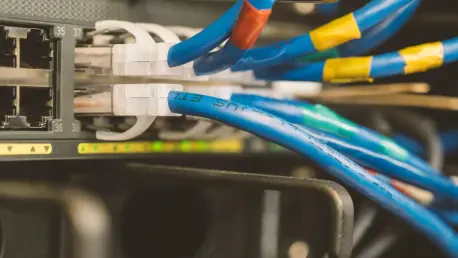
The average household in Middle Tennessee has transformed into a sophisticated hub of interconnected devices, ranging from smart thermostats and security cameras to wearable health monitors and multiple streaming consoles. This complex connected living environment requires a robust backbone to prevent the dreaded buffering wheel from interrupting daily life and productivity. Data from sources like the Pew Research Center indicates that high-quality broadband is no longer viewed as a luxury for the tech-savvy few but has instead become a universal utility necessary for all age groups and demographics. As the sheer number of devices per household continues to climb, the inherent limitations of legacy bandwidth become increasingly apparent, leading to domestic friction when multiple users try to access the network simultaneously. Moving to a fiber-optic infrastructure addresses these capacity issues head-on, providing enough headroom to support dozens of devices without a drop in performance. This ensures that the smart home can function as a cohesive unit, rather than a collection of competing gadgets.
Consumer sentiment in the region has shifted heavily in favor of fiber, as residents recognize the tangible benefits of superior physical infrastructure over promotional marketing tactics. Recent surveys have revealed a massive gap in customer satisfaction between those using fiber-optic services and those still tied to cable or DSL providers. According to data from Consumer Reports, the highest-rated internet service providers are almost exclusively those that utilize fiber technology, highlighting a clear preference for reliability and transparency. Today’s consumers are increasingly looking past flashy introductory rates and focusing on the underlying quality of the connection. They value a network that is resilient against peak-hour congestion and less prone to the outages that often plague older, more fragile copper networks. By prioritizing the stability of fiber, residents are effectively future-proofing their homes and ensuring that their digital independence is not compromised by an aging and unreliable infrastructure. This trend suggests that the demand for high-capacity, light-based internet will only continue to grow.
Localized Service: The Community Impact
A critical element of achieving true digital independence in Middle Tennessee is the rise of localized service models, such as those provided by United Communications and various regional cooperatives. Unlike national corporate giants that often manage their services from distant metropolitan hubs, these local providers are deeply rooted in the specific communities they serve. This proximity ensures that revenue generated from service fees and infrastructure investments stays within the local economy, rather than being diverted to out-of-state shareholders. By reinvesting in the local grid, these providers help make Middle Tennessee more attractive to new businesses and entrepreneurs who require top-tier connectivity to operate globally. Furthermore, the presence of a locally managed fiber network provides a level of autonomy that is impossible with national ISPs. Decisions regarding service expansion and technology upgrades are made by people who understand the unique geographic and economic landscape of the region, ensuring that even rural areas are not left behind in the digital divide as the expansion continues.
This community-centric approach also translates into a much higher standard of customer service and professional accountability. When the technicians, support staff, and management teams live in the same neighborhoods as their customers, there is a natural personal commitment to excellence that large-scale corporations often struggle to replicate. Residents gain independence from the bureaucratic hurdles and notoriously long wait times typically associated with national providers. If an issue arises, the response is often faster and more personalized, reflecting a partnership rather than a mere transaction. Choosing a local fiber provider is an investment in the long-term success and digital freedom of the community itself. By supporting local infrastructure, Middle Tennesseans are ensuring that their digital needs are met with a level of care and precision that mirrors their own values. This model of localized digital infrastructure serves as a blueprint for how technology can be used to strengthen regional ties while providing high-speed access, ultimately fostering a more resilient and self-sufficient local economy.
Navigating the Future: Steps for Regional Growth
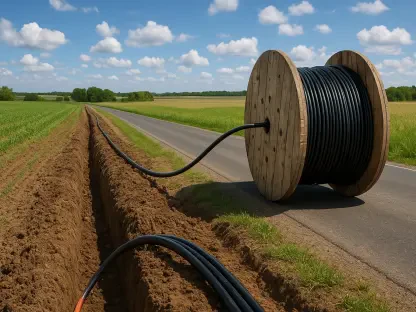
As the region continues to expand, the focus must shift toward ensuring that the fiber-optic footprint encompasses every corner of Middle Tennessee, from bustling urban centers to the most remote rural farmland. This expansion requires a collaborative effort between local governments, private developers, and community leaders to streamline the deployment of new lines and reduce the barriers to entry for underserved populations. Starting from 2026, the push for universal fiber access has gained significant momentum, with new projects slated to connect thousands of additional homes through 2028. These initiatives are not just about faster internet; they are about providing equal opportunity for education, healthcare through telemedicine, and economic participation. To maintain this trajectory, it is essential for community members to remain engaged with local planning boards and advocate for infrastructure policies that prioritize fiber over stop-gap solutions. By focusing on long-term scalability, Middle Tennessee can avoid the costly cycle of incremental upgrades and build a foundation that will serve the needs of several future generations.
In the end, the transition toward a fiber-dense environment in Middle Tennessee successfully addressed the digital limitations that once hindered the region’s growth. Residents and business leaders took decisive action to move beyond the constraints of legacy copper systems, recognizing that light-based technology was the only path toward true digital independence. By prioritizing symmetrical speeds and low latency, the community established a standard of connectivity that supported a vast ecosystem of devices and high-bandwidth applications. This strategic shift empowered local providers to offer superior service, keeping investments within the region and fostering a culture of accountability. The decision to invest in fiber-optic infrastructure proved to be a pivotal moment, as it eliminated the bottlenecks of the past and provided the necessary tools for sustainable innovation. Moving forward, the lessons learned from this technological evolution suggested that ongoing investment in physical infrastructure remained the most effective way to protect digital freedom and ensure regional prosperity for many years.