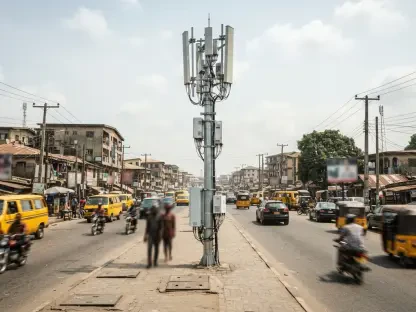
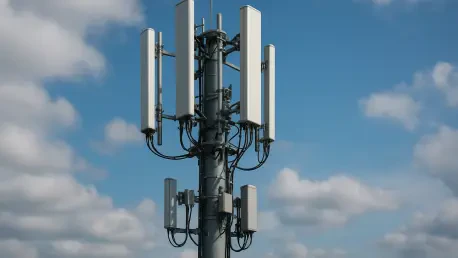
While 5G promised a revolution in autonomous driving and industrial automation, the required ecosystem infrastructure remained largely stagnant throughout its deployment. This discrepancy between the high-level technical capabilities of the radio network and the lack of physical readiness in
The New Frontier: Regional Connectivity in the Modern Era As the American telecommunications industry navigates the middle of this decade, regional carriers are no longer simply maintaining local networks but are actively redefining the technological boundaries of rural connectivity through massive
The 6 GHz band is increasingly viewed as a vital resource for expanding network capacity in regions where traditional infrastructure faces significant logistical and financial hurdles. In the rugged terrains of the United Kingdom, specifically around the Aberdeen area, this potential is being put
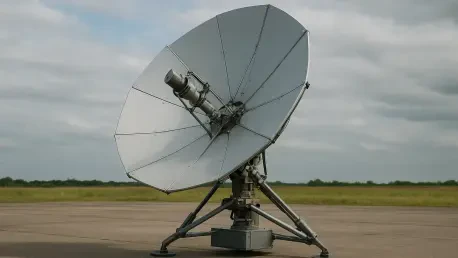
Researchers at the Institute of Science Tokyo have successfully demonstrated a deployable phased-array transceiver that overcomes the size limitations of rocket fairings. This achievement arrives at a critical juncture in the global telecommunications race, where the demand for seamless 6G

The Department of Transportation plans to equip up to 2,000 general aviation pilots with a specialized application to measure signal quality and reliability across the contiguous United States. This decision by the Federal Communications Commission to facilitate nationwide assessments of commercial

Testing drone and vehicle monitoring at the San Diego campus proves that cellular networks can function as sophisticated radar systems for urban environments. This development marks a pivotal shift in how telecommunications giants view their infrastructure, moving beyond the simple delivery of bits