
The telecommunications industry is currently plagued by pilot fatigue as disconnected AI projects often add more operational cost and complexity than they resolve for the enterprise. Historically, the traditional telecommunications model has relied on stagnant revenue streams that failed to keep
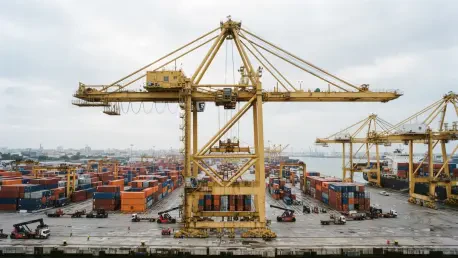
The seamless integration of high-bandwidth connectivity and industrial operations has transitioned from a competitive advantage to a fundamental necessity for global trade hubs seeking to maintain relevance in a rapidly evolving market. At the heart of this shift is the Thames Freeport initiative,

Integrating point-of-sale terminals directly into the operational workflow allows telecom infrastructure providers to track every electricity recharge transaction in real time. This technological evolution marks a definitive end to the era of manual utility management, where field technicians

The development of Starlink Mobile targets the growing demand for persistent connectivity in autonomous systems like delivery drones and self-driving trucks. This strategic move represents a massive paradigm shift in the global telecommunications industry, led by the aerospace giant SpaceX as it

The historical reliance on fragmented legacy infrastructure across billing and network operations often prevents telecommunications carriers from realizing the full potential of modern machine learning. In the current landscape of 2026, the initial wave of artificial intelligence hype has
A global surge in NVIDIA AI Aerial and Sionna adoption marks a pivotal shift toward software-defined radio architectures as the standard for future connectivity research. As the industry transitions beyond the limitations of 5G, the focus in 2026 has shifted toward creating AI-native networks that