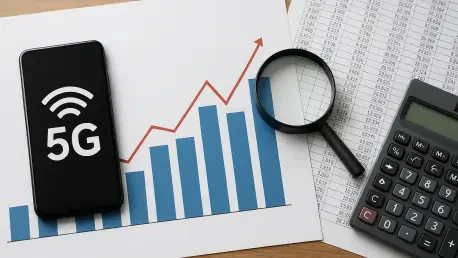
Income investors must weigh the allure of yields ranging from 4.5% to 6.1% against the necessity of managing high corporate debt loads and shifting pressures. For decades, the telecommunications sector has been viewed as a proxy for the utility market, providing a defensive haven during periods of

The Townsite case study serves as a national warning that federal land management strategies may be used to skirt local environmental protections and ignore established community planning efforts. This specific instance in Boulder City highlights a growing trend across the American West, where the

The presence of 13 spacecraft currently in orbit and 10 upcoming booked launches indicates significant progress toward a functional satellite broadband network. This technological leap signifies a departure from traditional cellular infrastructure, which has historically relied on terrestrial

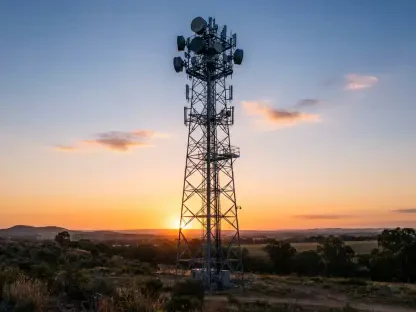
The high-margin nature of colocation allows American Tower to add new tenants to existing towers with minimal incremental cost, directly boosting the cash flow available for distributions. This structural efficiency provides a level of financial stability that is particularly attractive to retirees

Before the recent market sell-off, Verizon had reported a strong 24% increase in free cash flow, reaching a total of $6.4 billion. This financial stability, however, proved insufficient to insulate the telecommunications giant from a seismic industry shift that caught Wall Street off guard on

The democratization of cellular customization allows users to pay only for the data they need, provided they are willing to navigate the complexities of network deprioritization. As wireless service costs continue to climb in 2026, many households find themselves at a financial breaking point where