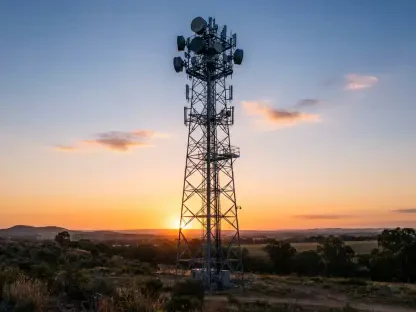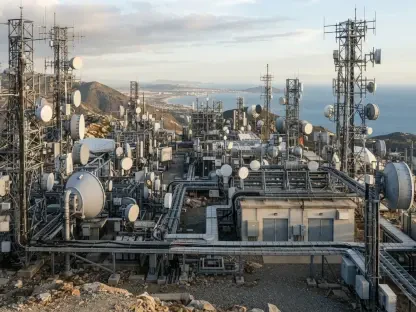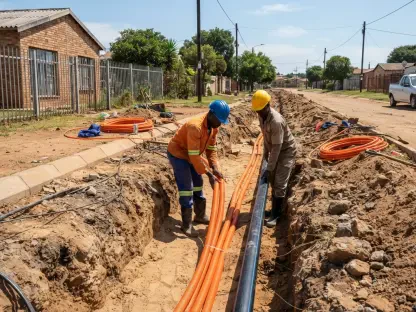
The 6 GHz band is increasingly viewed as a vital resource for expanding network capacity in regions where traditional infrastructure faces significant logistical and financial hurdles. In the rugged terrains of the United Kingdom, specifically around the Aberdeen area, this potential is being put

While the FCC frames its review as an effort to improve educational outcomes, stakeholders view the move as a threat to the stability of the nation’s digital infrastructure. Since its inception in 1996, the E-Rate program has served as the backbone of digital infrastructure for American schools and

The American Transmission Company has officially submitted a revised $1.3 billion proposal to the Wisconsin Public Service Commission to support a major data center development. This significant move follows a period of intense scrutiny regarding the physical infrastructure necessary to fuel the
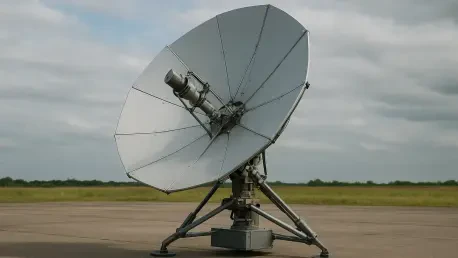
Researchers at the Institute of Science Tokyo have successfully demonstrated a deployable phased-array transceiver that overcomes the size limitations of rocket fairings. This achievement arrives at a critical juncture in the global telecommunications race, where the demand for seamless 6G

Regulatory friction is intensifying as European officials push for stricter security protocols that many operators believe are financially unsustainable in the current market. This tension centers on the proposed Digital Networks Act, a sweeping piece of legislation designed to eliminate equipment
The affordability of high-speed internet remains a primary barrier for neighborhood retailers who view broadband as an essential utility rather than a luxury. For many years, the metric for digital success was simply whether a fiber optic line or a high-speed cable reached a storefront’s doorstep.