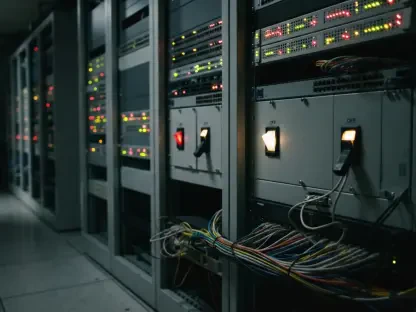

The silent disappearance of copper telephone lines across suburban neighborhoods marks the end of a century-long era, replaced by the invisible and highly efficient pathways of modern fiber and high-speed data networks. This transition signifies that traditional landlines have officially moved from

The rapid acceleration of global data consumption has placed an unprecedented strain on the aging copper and hardware-dependent circuits that once formed the backbone of global communication. In the current landscape of 2026, telecommunications providers are finding that the rigid structures of the

Standing at the threshold of a digital revolution, the United Kingdom is preparing to host a sporting event where the airwaves are just as vital as the action on the pitch. BT has officially stepped into its role as the primary telecommunications architect for UEFA Euro 2028, aiming to
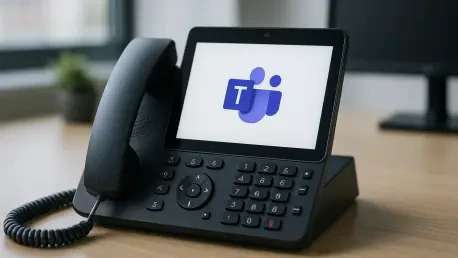
The digital workspace has become a sophisticated ecosystem of cloud-based tools, yet the fundamental act of making a phone call often remains trapped in a convoluted web of legacy hardware and disjointed software. Many organizations find themselves paying for advanced cloud licenses while still

The sudden fracturing of the once-impenetrable alliance between Microsoft and OpenAI highlights a broader tectonic shift toward a multi-cloud paradigm that challenges the very foundation of exclusive vendor lock-in. Historically, AI development relied on centralized monoliths where a single

The digital workplace has reached a tipping point where the sheer volume of internal notifications and fragmented data streams has begun to outpace the human capacity to process them effectively. Salesforce's massive acquisition of Slack was never intended to merely replace internal email; it was a