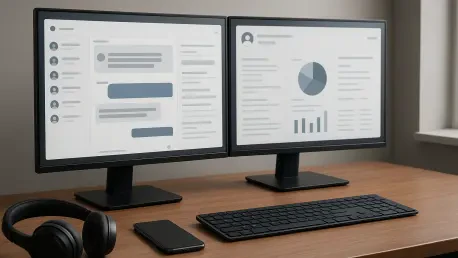

The native messaging component facilitates internal collaboration by supporting standard emojis, GIFs, and integrated file sharing via the SecureSync storage system. This functionality is part of a broader push to centralize business communications within a single, high-performance interface that addresses the common fragmentation issues faced by modern organizations. In 2026, the demand for unified platforms has reached a critical point where small and midsize businesses require the same level of sophistication as global enterprises but without the associated technical overhead. Intermedia Unite has positioned itself as a primary solution in this space, offering a robust Voice over Internet Protocol system that blends traditional telephony with advanced digital tools. By providing a cohesive environment for voice, video, and team chat, the platform eliminates the friction of switching between disparate applications, which often leads to lost productivity and communication silos. The software is particularly effective for teams that operate in hybrid or fully remote environments, as it maintains a consistent level of reliability and security regardless of where an employee is logging in from. As an Editors’ Choice recipient, the system is evaluated not only for its feature set but for how intuitively those features are delivered to the end-user, ensuring that technology serves as an enabler rather than a hurdle to daily operations.
Streamlined Administration and AI Capabilities
The architectural philosophy behind the administrative side of the platform focuses on reducing the cognitive load for technical managers while providing deep, granular control over every aspect of the communication flow. Managing a modern telecommunications stack can often feel like navigating a labyrinth of menus, but this system utilizes a dual-portal approach to separate user-facing settings from high-level system configurations. This separation ensures that daily communication remains uninterrupted while administrators make complex adjustments to the backend. In 2026, the ability to rapidly pivot communication strategies—such as rerouting calls during unexpected office closures or scaling up a customer support hunt group—is essential for business continuity. The administrative portal provides a centralized dashboard where these changes can be implemented with a few clicks, offering a level of agility that was previously reserved for organizations with dedicated, full-time IT departments. This focus on ease of use does not come at the expense of power, as the system includes advanced monitoring and coaching tools that allow managers to maintain high standards of service across the entire organization.
Managing Complex Communications with Ease
Setting up a professional call routing system is a foundational requirement for any growing business, and the platform simplifies this through a highly logical layout of automated receptionists and hunt groups. Administrators can design branching menus that direct customers to the appropriate department with minimal delay, improving the overall caller experience. Beyond simple routing, the system offers powerful real-time management features like call barging, monitoring, and whispering. These tools are particularly valuable in a training context, where a supervisor can listen in on a live call to ensure quality or “whisper” advice to a new employee without the customer hearing the interaction. This level of intervention ensures that service quality remains consistent and that employees feel supported during challenging customer interactions. Furthermore, the ability to set specific business hours for different users or the entire organization ensures that work-life balance is respected and that calls are handled appropriately during off-hours, either through specialized voicemail greetings or routing to an after-hours service.
The configuration depth extends to how the platform handles high volumes of incoming traffic through sophisticated hunt group sequences. These groups can be tailored to ring all available agents simultaneously, follow a circular pattern, or prioritize specific individuals based on their expertise or current workload. This flexibility ensures that no customer query goes unanswered, which is a vital metric for success in a competitive market. The administrative backend also provides a clear view of operational health, allowing managers to see at a glance which lines are active and how many calls are currently in queue. In 2026, these real-time insights allow for dynamic staffing adjustments, ensuring that resources are always allocated where they are needed most. By moving these complex functions to an intuitive web-based interface, the platform empowers business owners to take full control of their communication infrastructure without needing extensive technical training, effectively democratizing enterprise-grade telephony for the SMB market.
Leveraging Artificial Intelligence for Business Insights
Artificial intelligence has transitioned from a niche addition to a core component of the communication experience, acting as a force multiplier for productivity and data analysis. The AI Assistant integrated into the platform is designed to handle the heavy lifting of documentation, automatically generating highly accurate call transcripts and concise summaries of every conversation. This technology allows employees to stay fully engaged with their interlocutors, knowing that the system is capturing every detail and identifying key action items for later follow-up. In testing, the transcription engine has shown remarkable resilience, accurately processing technical jargon and varied accents with minimal errors. This documentation is not just a passive record; it is a searchable asset that allows team members to quickly reference past discussions without having to replay hours of recorded audio. This capability is particularly useful for legal compliance and quality assurance, providing a clear and accessible trail of all business-related verbal agreements.
The analytical power of the AI extends into sentiment analysis, where the system evaluates the tone of a conversation to categorize it as positive, neutral, or negative. This provides management with an immediate, high-level overview of customer satisfaction trends without requiring them to listen to every recording individually. If a particular interaction is flagged as highly negative, a manager can proactively intervene or use the recording as a specific coaching opportunity. During video conferences, the AI presence is equally felt through real-time captioning and the generation of post-meeting recaps that are automatically distributed to all participants. These summaries include a list of mentioned tasks and deadlines, ensuring that the momentum from a meeting is carried forward into actionable results. By integrating these intelligent tools directly into the workflow, the platform helps organizations transform raw communication data into strategic insights, allowing for more informed decision-making and a more responsive approach to customer needs.
User Experience and Collaborative Tools
The user-facing side of the platform is built on a design language that prioritizes accessibility and functional clarity across all devices. Whether an employee is using the desktop application on macOS or Windows, or the mobile app on iOS or Android, the interface remains remarkably consistent, reducing the learning curve for new hires. The sidebar-driven navigation provides immediate access to the most critical tools, including internal chat, external SMS, and the full history of video meetings and voice calls. One of the standout aspects of the design is the keypad-first philosophy, which ensures that the core function of the service—making and receiving phone calls—is never more than a single click away. In 2026, as work becomes increasingly mobile, the ability to move a live call seamlessly from a desktop computer to a mobile handset without any interruption in audio quality is a vital feature that reflects the realities of a modern, flexible professional lifestyle.
Navigating the Unified Interface
Onboarding new employees or transitioning an entire department to the platform has been significantly improved by the inclusion of direct contact management tools. While previous iterations relied heavily on complex third-party CRM syncing, the current system allows for the direct import of contact lists via standard CSV and Excel files. This change facilitates a much faster setup process, enabling businesses to bring their existing customer databases into the cloud environment with minimal manual entry. The interface itself is bright and modern, utilizing a clean layout that avoids the cluttered look often found in legacy communication software. Every element of the sidebar is customizable, allowing users to pin their most frequent contacts or specific chat channels for rapid access. This personalization ensures that the workspace feels tailored to the individual’s specific role and communication habits, which directly contributes to a more efficient and less stressful daily routine.
The mobile experience is particularly robust, offering a full feature parity that many other UCaaS providers struggle to match. Users can access the same advanced call handling features on their smartphones as they do on their desk phones, including the ability to transfer calls, initiate three-way conferences, and access the company-wide directory. The notification system is finely tuned to ensure that important messages are seen immediately while non-essential alerts can be silenced during focused work periods. This balance of connectivity and control is essential for preventing digital fatigue in an era where the lines between professional and personal time can often become blurred. By providing a stable and intuitive interface that behaves predictably across all platforms, the system fosters a sense of reliability that encourages widespread adoption among staff members, ensuring that the organization gets the full value out of its investment in the unified communication suite.
High-Quality Voice and Video Performance
The standard for professional communication in 2026 is defined by uncompromising audio and video clarity, and this platform delivers on that expectation through a high-performance global network. Voice calls are characterized by a complete absence of the jitter and digital artifacts that can plague lower-tier VoIP services, ensuring that every word is heard with crystal clarity even on less-than-ideal internet connections. The video conferencing suite has also seen significant refinements, supporting high-definition video streams for up to 200 participants in the higher-tier plans. Security remains a top priority, with end-to-end encryption applied to all video and audio traffic, giving participants peace of mind when discussing sensitive company information. The inclusion of modern amenities like virtual backgrounds and integrated screen sharing makes it a versatile tool for everything from quick internal huddles to formal external presentations.
Collaboration is further enhanced by the generous storage limits provided to each user, which serve as a foundation for the integrated file-sharing system. With storage allotments ranging from 50GB to 200GB, teams can move away from traditional email attachments and instead share documents directly within the chat or meeting interface. This system is powered by the SecureSync technology, which provides robust version control and ensures that everyone is working from the most recent iteration of a file. If a team member makes a change to a shared document, the update is reflected instantly across the platform, and previous versions are archived for easy recovery. This integration of communication and file management creates a powerful collaborative workspace where information flows freely and securely. By combining high-fidelity voice and video with a sophisticated document management system, the platform provides a comprehensive environment that supports the complex needs of modern, distributed teams.
Hardware Flexibility and External Integrations
Flexibility is a core tenet of the platform’s hardware strategy, recognizing that many businesses have existing investments in physical desk phones that they are not yet ready to abandon. The system supports a wide range of hardware through its Bring Your Own Phone program, which allows for the configuration of major brands like Cisco, Polycom, and Yealink alongside the platform’s native services. While the company offers its own branded Fanvil handsets that come pre-configured for a plug-and-play experience, the open nature of the ecosystem is a significant advantage for organizations looking to modernize their software without a massive capital expenditure on new hardware. In 2026, this approach to hardware sustainability is highly valued, as it allows for a more gradual and cost-effective transition to the cloud. Whether an employee prefers a high-end executive desk phone with a large touchscreen or a simple, portable cordless handset, the system provides a consistent level of performance and feature support.
Supporting Diverse Hardware Ecosystems
The process of registering existing hardware is streamlined through a web-based provisioning tool that guides administrators through the necessary steps to link their phones to the cloud service. This ensures that features like the corporate directory, call history, and message-waiting indicators function correctly even on third-party devices. For businesses that choose to purchase new hardware, the branded Fanvil phones offer an exceptionally tight integration, with specialized buttons for features like call parking and one-touch conferencing. These devices are designed to be intuitive for users who are accustomed to traditional phone systems, providing a tactile and reliable interface for office-bound employees. The diversity of the hardware ecosystem means that a business can tailor its equipment to the specific needs of different departments, providing ruggedized handsets for warehouse staff and sophisticated multi-line phones for receptionists.
Beyond traditional desk phones, the platform also supports a variety of headsets and peripheral devices that enhance the communication experience for those who prefer to work entirely through their computers. Compatibility with professional audio equipment ensures that users can achieve the best possible sound quality in any environment, from a quiet home office to a bustling open-plan workspace. The system’s ability to manage these devices centrally allows administrators to push firmware updates and troubleshoot connectivity issues remotely, ensuring that the entire hardware fleet remains secure and operational. This holistic approach to device management reflects a deep understanding of the practical challenges involved in maintaining a professional communication network. By offering a path that respects legacy investments while providing a clear route to the latest technology, the platform offers a balanced and pragmatic solution for businesses of all sizes.
Connecting with Essential Business Software
The utility of a communication platform is significantly amplified by its ability to interact with the other software tools that a business relies on for its daily operations. While some competitors focus on a sheer volume of integrations, this system prioritizes deep, high-quality connections with the most essential business applications, including Slack, Zendesk, and a variety of popular Customer Relationship Management platforms. These integrations allow for the automatic logging of call data and notes directly into customer records, ensuring that the sales and support teams always have the most current information at their fingertips. In 2026, the reduction of manual data entry is a major driver of organizational efficiency, and the seamless flow of data between the communication hub and the CRM system is a key part of achieving that goal. For companies that utilize Microsoft Teams for internal messaging, specialized plans are available that provide a superior telephony backbone while allowing the user to stay within the Teams interface.
These Microsoft-centric plans are engineered to replace the native Teams calling features with a more reliable and feature-rich infrastructure, offering better uptime and more advanced call management tools. This hybrid approach allows businesses to leverage the strengths of both platforms—the ubiquitous collaboration features of Teams and the professional-grade voice services of the Intermedia backend. Furthermore, the integration with productivity suites like Microsoft 365 and Google Workspace ensures that calendars and contacts are always in sync, making it easy to schedule meetings and find contact information without leaving the application. By focusing on these high-impact integrations, the platform ensures that it fits neatly into the existing workflows of modern businesses rather than forcing them to adopt entirely new processes. This strategic connectivity helps to break down data silos and provides a more unified view of the customer journey, from the first contact to the final resolution.
Reliability, Security, and Market Standing
The foundation of any enterprise-grade communication service is its reliability and its commitment to protecting sensitive data, and these elements are central to the platform’s architecture. In 2026, where cyber threats are increasingly sophisticated, a secure-by-default approach is not just a feature but a necessity for business survival. The platform employs multi-factor authentication for all user accounts and utilizes advanced encryption protocols for every byte of data that passes through its network. This commitment to security ensures that organizations in highly regulated sectors, such as healthcare, finance, and law, can use the service with full confidence that they are meeting their compliance obligations. The infrastructure is designed with multiple layers of redundancy, ensuring that even in the event of a localized hardware failure or network outage, the communication services remain online and accessible to users across the globe.
Ensuring Uptime and Data Protection
Reliability is further bolstered by a 24/7 technical support structure that is accessible through multiple channels, including live chat, phone, and email. In an era where many software providers are moving toward automated, bot-based support, the availability of highly competent human technicians remains a significant differentiator. These experts are trained to handle everything from basic setup questions to complex network troubleshooting, providing businesses with the assurance that help is always available if an issue arises. The platform also provides a detailed analytics dashboard that offers insights into every aspect of the communication network. Managers can track call volumes, peak usage times, and individual agent performance metrics, allowing them to make data-driven decisions about staffing and resource allocation. These reports are essential for identifying bottlenecks in the communication flow and for ensuring that the organization is meeting its internal service level agreements.
The security features extend beyond just encryption, encompassing a comprehensive suite of administrative controls that allow for the fine-grained management of user permissions and data access. Administrators can easily revoke access for departing employees, monitor for unusual login activity, and enforce strict password policies across the entire organization. This proactive approach to security helps to mitigate the risk of data breaches and ensures that company information remains within the control of the organization. The platform’s compliance with global data protection standards, including GDPR and various regional privacy laws, makes it a suitable choice for businesses with an international presence. By providing a secure and reliable environment for all business communications, the system allows leaders to focus on growth and innovation rather than worrying about the stability or safety of their underlying infrastructure.
Position Against Industry Competitors
In the broader landscape of the UCaaS market, Intermedia Unite maintains a strong position by offering a balance of value and functionality that specifically caters to the needs of the SMB sector. While competitors like RingCentral may offer a larger library of third-party integrations, this platform often provides a more straightforward and transparent pricing structure that is easier for smaller organizations to manage. The inclusion of unlimited calling to 34 countries in the base plan is a major advantage for businesses with international clients, offering a level of cost predictability that is hard to find elsewhere. In comparison to Zoom Phone, which is known for its familiar video interface, this system provides a more integrated administrative experience and higher standard storage limits for files, making it a more complete solution for teams that require deep collaboration tools alongside their telephony.
The platform’s focus on ease of use and rapid deployment makes it an attractive alternative to the often-bloated enterprise systems that can be overwhelming for smaller teams. It provides a “just right” set of features that covers all the essential bases of modern communication—voice, video, chat, and AI—without the unnecessary complexity that can lead to user frustration. In 2026, the market has shifted toward solutions that offer high performance without requiring a massive investment in specialized training or consulting services. By hitting this sweet spot, the platform has earned its place as a top-tier recommendation for businesses that want a reliable, secure, and future-proof communication partner. Its continued investment in AI and user experience ensures that it remains at the forefront of the industry, providing a scalable path for businesses as they grow and evolve in an increasingly digital world.
Strategic Implementation for Future Growth
The evaluation of Intermedia Unite as a premier communication solution provided a clear path for organizations seeking to modernize their digital infrastructure without sacrificing reliability. Decision-makers prioritized the platform’s intuitive administrative portal, which allowed for the rapid deployment of complex call routing and hunt groups that enhanced professional presence from day one. The inclusion of advanced artificial intelligence proved to be a significant asset, as it automated the tedious tasks of transcription and meeting summarization, thereby freeing up valuable human capital for higher-level strategic work. As hybrid work models became the standard, the seamless parity between desktop and mobile interfaces ensured that team members remained productive and connected, regardless of their physical location or the device they chose to use.
Moving forward, businesses should consider a phased approach to implementation, beginning with a pilot program that utilizes the Bring Your Own Phone policy to minimize initial capital expenditure. By testing the platform’s AI-driven sentiment analysis and SecureSync file sharing within a single department, managers can gain practical insights into how these tools best fit their specific workflows before a full-scale rollout. Organizations should also take full advantage of the 24/7 technical support to fine-tune their security settings and multi-factor authentication protocols, ensuring a secure-by-default environment. Ultimately, the transition to this unified system allowed companies to consolidate their communication costs while gaining access to enterprise-grade features that were previously out of reach, setting a strong foundation for continued growth and operational excellence.