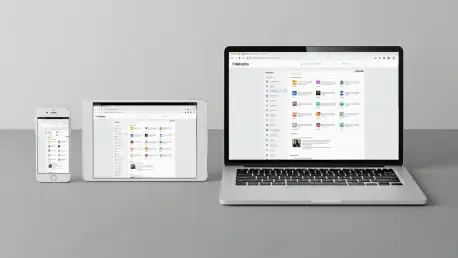

The traditional mobile ecosystem that once relied heavily on physical hardware and restrictive carrier contracts has undergone a profound transformation into a cloud-centric model where the web browser serves as the primary gateway. By removing the dependency on specific devices or operating systems, the browser has successfully moved beyond being a simple window to the internet and has instead become a fully integrated communication terminal. This shift enables users to bypass traditional telephony hurdles, offering a seamless experience where a simple tab can handle voice traffic, video, and data synchronization without a dedicated SIM card. As high-speed internet becomes a ubiquitous utility rather than a luxury, the necessity for a traditional smartphone setup has diminished, paving the way for a more versatile approach to global connectivity. This new era prioritizes accessibility, allowing any device with a modern browser to interact with the global public switched telephone network, effectively democratizing long-distance communication and dismantling the monopolies held by legacy telecommunication giants. The browser is no longer a passive observer; it is the active engine of the modern digital lifestyle, supporting a range of functions that once required a specialized handheld device and a long-term commitment to a carrier.
The Technology Behind Browser-Native Calling
The architecture supporting this evolution is built upon the convergence of web standards and advanced telecommunications protocols that allow for low-latency voice transmission directly within a browser environment. Unlike the early days of internet calling which required clunky plugins or third-party software installations, modern browsers utilize native capabilities to handle high-fidelity audio streams. This transition was facilitated by a broader industry movement toward open-source standards that ensure interoperability across different platforms and hardware configurations. By treating voice as just another data type within the web stack, developers have been able to build sophisticated “softphones” that operate with the same reliability as a physical telephone. This foundational change has allowed the browser to act as a bridge, connecting the decentralized world of the internet with the highly regulated and structured world of traditional telephony. The result is a communication system that is both flexible and powerful, capable of scaling from individual personal calls to massive enterprise-level communication hubs without the need for additional infrastructure or hardware investments from the end user.
Turning Browsers into Phone Terminals
The core component enabling these capabilities is WebRTC, a technology that has reached total maturity and is now a standard feature integrated into every major web browser. WebRTC provides the necessary programming interfaces for real-time communication, allowing the browser to access and manage a device’s microphone and speakers with high precision while maintaining strict security controls. This technology handles the complexities of network traversal, ensuring that voice data can pass through firewalls and network address translators without dropping packets or introducing noticeable lag. Because the processing happens locally within the browser engine, the audio quality often surpasses that of traditional cellular networks, which are frequently subject to compression and signal interference. The ability of the browser to negotiate these connections on the fly means that a user can initiate a high-quality call simply by clicking a link or a button on a webpage, making the process as intuitive as navigating a site.
Furthermore, the sophisticated echo cancellation and noise suppression algorithms built into the browser’s media engine ensure that communication remains clear even in suboptimal environments. This level of technical sophistication was previously the exclusive domain of high-end telecommunications hardware, but it is now available to anyone with a compatible web browser. By abstracting the complex layers of audio processing and network management, WebRTC allows the browser to function as a high-performance communication node. This shift has significant implications for how people perceive their devices; when any screen with a browser can become a fully functional telephone, the importance of the physical phone itself begins to wane. The browser essentially decouples the communication service from the device hardware, allowing a user’s “phone” to follow them from a laptop to a tablet or even a smart television, maintaining a consistent interface and experience across all digital touchpoints.
Establishing Connectivity With Legacy Networks
While WebRTC manages the local media and peer-to-peer connections, the ability to reach a standard landline or a mobile phone on the other side of the planet requires a different set of protocols. This is where the integration of Session Initiation Protocol (SIP) and specialized Voice over Internet Protocol (VoIP) gateways becomes essential to the browser’s utility. These systems act as translators, converting the web-based data packets into the signaling used by the traditional Public Switched Telephone Network (PSTN). When a user dials a phone number from their browser, the request is routed through a cloud-based server that bridges the internet connection to the physical telephone infrastructure. This allows for a seamless interaction where the person on the receiving end sees a standard incoming call, unaware that the caller is utilizing a web browser rather than a traditional handset. This backend infrastructure is what truly turns the browser into a replacement for a mobile phone, as it ensures that the user is not limited to calling other internet-connected users.
The sophistication of these gateways also allows for the assignment of virtual phone numbers, which can be tied directly to a web account rather than a physical device. This means that a user can receive incoming calls on their browser from any standard telephone, effectively giving them a permanent phone number that exists entirely in the cloud. This capability is particularly useful for maintaining a consistent identity while moving between different geographic locations or switching between different pieces of hardware. The reliability of these connections has improved to the point where they are virtually indistinguishable from traditional carrier-based calls in terms of uptime and clarity. By leveraging the existing global telecommunications backbone through these advanced digital bridges, the browser provides a level of reach that was once the sole territory of massive cellular providers. This integration ensures that the browser is a truly universal tool, capable of reaching every corner of the globe regardless of the local technology in use.
Comparing Communication Options
When evaluating the current landscape of digital communication, it is clear that the browser-based approach offers a level of flexibility that traditional mobile plans and dedicated apps struggle to match. Most people have grown accustomed to using specific applications for different types of communication, such as messaging apps for friends and business tools for colleagues. However, these applications often operate as “walled gardens,” where users can only communicate with others who have the same software installed. The browser breaks this pattern by providing a neutral platform that can reach any number on any network, regardless of what apps the other person is using. This return to an open-standard approach is a reaction to the fragmentation that has plagued the mobile industry for years. By choosing a browser-native solution, users can avoid the constant cycle of app updates and the privacy concerns that come with granting extensive permissions to multiple third-party developers.
Browsers Versus Apps and Carriers
The primary advantage of browser-based telephony over popular messaging applications is its inherent interoperability with the global phone system. While apps like WhatsApp or Signal are excellent for secure, app-to-app communication, they are often useless when a user needs to call a local government office, a small business, or a relative who still relies on a landline. Browser-native services fill this gap by providing a direct link to the PSTN, ensuring that no destination is off-limits. Additionally, these services do not require the user to share their entire contact list or metadata with a social media giant, offering a more private and controlled communication environment. The browser acts as a clean slate, where the user can manage their communications without the intrusive tracking often found in free messaging apps. This distinction is becoming increasingly important as users look for ways to simplify their digital lives and reduce their footprint across multiple proprietary platforms.
In comparison to traditional mobile carriers, the browser offers a much more streamlined and transparent experience. Carriers typically bundle voice services with expensive data plans and long-term contracts, often adding hidden fees for international roaming or long-distance calls. Browser-based calling, on the other hand, usually operates on a pay-as-you-go model or a simple flat-rate subscription that is significantly cheaper than a standard mobile bill. Because the browser uses the existing internet connection, there is no need for a local SIM card or a specific roaming agreement when traveling. This allows users to maintain the same communication capabilities whether they are at home, in an office, or at a café in a foreign country. The elimination of the physical SIM card as a requirement for voice communication marks a major shift in how mobility is defined, moving away from hardware-bound identity toward a more fluid, account-based digital presence.
The Economic Logic of Browser Telephony
The cost-effectiveness of using a browser as a primary phone terminal is one of the most compelling reasons for its rapid adoption. Traditional international calling rates can be prohibitively expensive, often reaching several dollars per minute depending on the destination and the carrier’s roaming agreements. In contrast, web-based telephony providers leverage the efficiency of the internet to route calls at a fraction of that cost, often charging just a few cents per minute for calls to major international destinations. This pricing structure is transparent and predictable, allowing users to communicate freely without the fear of a massive bill at the end of the month. For individuals who frequently communicate across borders, the savings can be substantial, often totaling hundreds of dollars over the course of a year. This economic shift is driving many users to reconsider the value of their expensive mobile contracts, especially when high-quality Wi-Fi is available in most urban areas.
Furthermore, the hardware-independent nature of browser calling means that users do not need to invest in the latest expensive smartphone to stay connected. Any device capable of running a modern browser, from a budget laptop to a refurbished tablet, can serve as a fully functional communication hub. This significantly lowers the barrier to entry for high-quality global communication, making it accessible to a much broader range of people. The ability to use the same service across multiple devices without paying for additional lines or “add-on” devices is another major financial benefit. In a world where digital subscriptions are becoming a significant part of the average household budget, the efficiency and affordability of browser-native calling offer a welcome alternative to the complex and often inflated pricing models of the traditional telecommunications industry. This trend is not just about saving money; it is about reclaiming control over how and where communication dollars are spent.
Modern Uses for Web-Based Telephony
The practical applications for browser-based telephony have expanded as more organizations and individuals recognize the reliability of the technology. In the professional world, the ability to integrate phone functionality directly into a web-based workflow has transformed how business is conducted. Employees no longer need to switch between their computers and their mobile phones to handle calls, leading to a more focused and efficient work environment. This integration is particularly valuable in customer-facing roles, where agents can manage voice calls within the same browser tab used for customer records and support tickets. Outside of the office, the technology is proving to be a lifeline for people navigating the complexities of international life, from students studying abroad to expatriates maintaining ties with their home countries. The browser has become the ultimate tool for bridging the physical distance between people and the institutions they need to interact with on a daily basis.
Connecting Businesses and Communities
For many businesses, adopting browser-based telephony has been a logical step in the transition toward fully remote or hybrid work models. Corporate environments often require employees to interact with automated phone menus, participate in conference calls, and maintain a professional phone presence. Browser calling allows these tasks to be performed from anywhere in the world with the same level of professionalism as a traditional office phone system. Because the calls are routed through the internet, companies can easily monitor call quality, record conversations for training purposes, and integrate voice data with their existing business intelligence tools. This level of integration was difficult to achieve with traditional mobile phones, which often operate in a siloed environment. By moving voice communication into the browser, businesses can create a more cohesive and data-driven communication strategy that scales effortlessly as the company grows.
Beyond the corporate world, this technology is playing a vital role in keeping communities connected. Small businesses, such as local clinics or neighborhood shops, can use browser-based systems to manage their incoming calls more effectively, often at a lower cost than a traditional business line. This allows them to provide better service to their customers without the need for complex hardware or dedicated IT support. In many cases, community organizations use these tools to set up temporary hotlines or information centers during local events or emergencies. The ease with which a browser-based phone system can be deployed and dismantled makes it an ideal solution for short-term needs. This flexibility ensures that communication remains a tool for empowerment and connection within the community, rather than a technical hurdle that requires significant resources to overcome. The browser has effectively lowered the walls that once separated digital communities from the physical neighborhoods they inhabit.
Bridge Between Digital Nomads and Traditional Lines
The rise of the digital nomad lifestyle has been a major catalyst for the adoption of web-based telephony. For those who move frequently between countries, maintaining a consistent phone number and avoiding exorbitant roaming charges are constant challenges. Browser-based calling provides a perfect solution by allowing these individuals to keep a local number in their home country while traveling anywhere in the world. They can call banks, insurance companies, or government agencies back home without having to worry about the limitations of international mobile plans. This ability to maintain a “local presence” regardless of physical location is essential for managing personal affairs and professional responsibilities while on the move. The browser serves as a stable anchor in an otherwise mobile life, ensuring that the user is always reachable and can reach others without friction or high costs.
Furthermore, browser-native telephony is an excellent tool for connecting different generations who may have different comfort levels with technology. While younger users are often happy to use messaging apps, older relatives may still prefer the simplicity of a standard landline. A browser-based service allows a user to call those landlines directly, ensuring that family connections are maintained across the digital divide. It offers a way to have long, clear conversations without the lag or audio artifacts that can sometimes plague free video calling apps on poor connections. For someone living in a foreign country, being able to dial a grandparent’s home phone for the price of a local call is a profound benefit that goes beyond simple utility. This technology humanizes the internet, turning the cold interface of a web browser into a warm and familiar connection to the people and places that matter most, regardless of the technological gap between them.
Money and Safety Considerations
While the benefits of browser-based communication are extensive, it is important to understand the financial and security frameworks that govern these services. Users are often drawn to the low costs, but they must also be aware of how their data is being protected and what the limitations of the technology are in critical situations. The transition to web-native telephony requires a different mindset regarding security, moving away from the physical security of a cellular network toward the cryptographic security of the modern web. As long as users are informed about the trade-offs, they can make effective use of these tools while minimizing their exposure to risk. The balance between convenience, cost, and safety is a central theme in the ongoing discussion about the future of telephony and the role of the browser in our daily lives.
Understanding the Costs and Security
The financial model of browser-based telephony is built on efficiency and micro-payments, which is a departure from the traditional monthly billing cycle of most mobile carriers. Users typically add a small amount of credit to their account and are charged only for the minutes they use, with no hidden fees or “line maintenance” charges. This level of transparency is highly valued by modern consumers who are increasingly wary of complex contracts. Because the service is tied to a web account rather than a physical device, there is no risk of losing a SIM card or having a phone stolen and being hit with thousands of dollars in fraudulent roaming charges. If a device is lost, the user can simply log out of their account from another machine and their communication services remain secure. This shift toward account-based security provides a level of protection that is inherently superior to the hardware-bound models of the past.
In terms of data security, browser-based calling utilizes advanced encryption standards such as DTLS and SRTP to ensure that voice data remains private. When a call is made, the audio is encrypted at the source and remains protected as it travels across the internet, preventing eavesdropping by third parties, even on public Wi-Fi networks. This level of security is often higher than that of standard cellular calls, which can sometimes be intercepted with specialized equipment. However, the security of the call is also dependent on the security of the user’s web account and the browser itself. Using strong, multi-factor authentication is essential for protecting a digital phone identity. By following standard web security best practices, users can enjoy a high level of privacy and safety while taking advantage of the flexibility and low cost of web-native communication. The integration of these security protocols into the browser engine ensures that privacy is not an afterthought, but a foundational element of the experience.
Addressing the Challenges of Emergency Services
One of the most critical considerations when moving toward a browser-first communication strategy is the handling of emergency services like 911 or its international equivalents. Traditional mobile and landline phones are deeply integrated with emergency response systems, which can automatically determine a caller’s location using GPS or tower triangulation. Browsers, however, operate on a different layer of the network and do not always have access to precise, verified location data that can be shared with dispatchers. This means that in a crisis, a browser-based call might not provide the critical information needed for first responders to find the caller quickly. This is a significant limitation that users must keep in mind, and it is the primary reason why these services are often marketed as a supplement to, rather than a total replacement for, a traditional phone line in all circumstances.
To address this issue, some providers have begun to implement hybrid solutions that allow users to register a static address for emergency services, but this is less effective for people who are frequently on the move. The industry is currently exploring ways to improve location sharing through browser-based APIs, but the legal and technical challenges remain significant. For now, the standard recommendation is to maintain a traditional mobile or landline connection for emergency purposes while using the browser for all other communication needs. This dual-track approach ensures that the user has the best of both worlds: the extreme flexibility and low cost of the browser, and the life-saving reliability of traditional emergency infrastructure. As the technology continues to evolve between 2026 and 2028, it is likely that these gaps will be narrowed, but for the moment, the safety trade-off remains a vital piece of the puzzle for anyone looking to rely solely on their web browser for telephony.
Evaluating the Path Toward a Browser-First Communications Model
The rapid integration of telecommunications into the web browser represented a fundamental change in how the global community interacted with digital services. By 2026, the transition from hardware-centric mobile plans to software-defined browser terminals became a reality for millions of users who sought greater flexibility and lower costs. This shift was driven by the maturation of WebRTC and SIP technologies, which allowed the browser to perform at or above the level of traditional phone systems. The economic impact was clear, as the move toward pay-as-you-go models and the elimination of roaming fees dismantled the traditional barriers to international communication. While the technology faced hurdles regarding emergency services and location tracking, the overall benefits of an open, interoperable, and cost-effective system outweighed the limitations for a vast majority of personal and professional use cases.
Moving forward, the focus shifted toward refining the security and reliability of these web-native systems to ensure they could handle the most sensitive and critical communications. Organizations that embraced this model early on realized significant gains in productivity and cost savings, setting a precedent for others to follow. For the individual user, the ability to manage their digital identity across multiple devices through a single browser interface provided a level of freedom that was previously unattainable. The browser essentially became the phone, a development that finalized the decoupling of communication from physical hardware. As internet connectivity continues to expand and improve globally from 2026 to 2030, the reliance on traditional cellular infrastructure for voice calls will likely continue to fade, leaving the browser as the dominant portal for all forms of digital interaction. Taking the step to integrate browser-based calling into one’s daily routine was not just a technical choice, but a strategic move toward a more connected and efficient future.