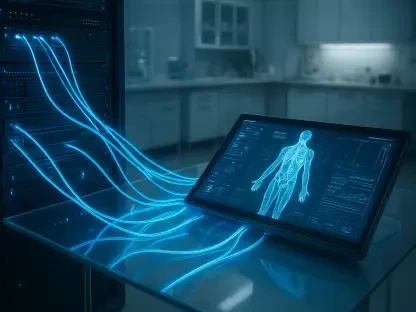

The integration of Digital Experience Monitoring into the SASE stack allows administrators to identify and troubleshoot performance bottlenecks in real-time. This capability has become indispensable as the modern workforce remains permanently decentralized across global geographies. In the current
The T1TL-A mission represents the backbone of a military internet in space, designed to provide assured connectivity even in highly contested global environments. The recent launch of the SpaceX Falcon 9 rocket from Vandenberg Space Force Base, tasked with carrying this critical payload for the
The rapid expansion of interconnected Internet of Things devices across residential and corporate infrastructures has inadvertently created a vast, fragmented attack surface that sophisticated threat actors are now exploiting with surgical precision. This vulnerability is perfectly illustrated by
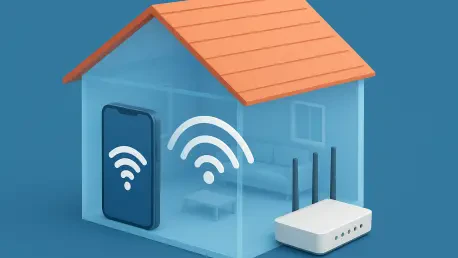
The integration of Voice over Wi-Fi technology provides a reliable solution for maintaining high-definition audio quality during network congestion on cellular towers. As mobile communication continues to evolve, the reliance on traditional cell towers often encounters physical limitations that

For decades, a digital request sent from a smartphone in Fortaleza to a server in Luanda often traversed the Atlantic twice, bouncing through Virginia or London before reaching its destination just across the water. The partnership between DE-CIX and CVTelecom established a direct "data bridge"

A developer might launch a local script with a valid credential on a Tuesday, and by Friday, an unmonitored AI agent is making critical decisions against production data. This scenario has become a common reality in modern infrastructure, where the traditional boundaries of software deployment have