
Legitimate Wi-Fi portals will never require users to execute command-line instructions or install root certificates to access standard internet services. The cybersecurity environment for international travelers in 2026 has evolved into a sophisticated battlefield where the primary struggle is no longer against basic data interception but against highly organized social engineering tactics. As digital literacy increases, the methods used by malicious actors have become increasingly integrated into the very infrastructure of the networks travelers trust, such as those found in transit hubs and luxury hotels. While the transition toward more robust encryption standards has successfully neutralized many older forms of cybercrime, it has also forced a strategic pivot among threat actors who now focus on manipulating the user experience rather than just the data stream. This shift requires a new level of awareness from the modern traveler, moving beyond simple caution to a proactive and skeptical engagement with any public connectivity point. The complexity of these modern campaigns suggests that the safety of a network is no longer a static quality but a dynamic interaction between technological defenses and human behavior.
The Evolution: Encryption and the False Sense of Security
By 2026, the near-universal adoption of HTTPS has successfully turned the tide against traditional methods of data theft like packet sniffing and side-jacking. In the current technological landscape, nearly every website a traveler visits is protected by strong transport layer security, ensuring that the information exchanged between a browser and a server remains unreadable to unauthorized third parties. This advancement has created a safer baseline for general activities, such as checking flight status or reading the news, significantly reducing the success rate of amateur hackers who once frequented airport lounges with basic intercept tools. However, the security provided by these protocols is often misunderstood by the average user, who may mistake a secure connection for a safe destination. The reality of 2026 is that the presence of a secure tunnel does nothing to verify the integrity of the endpoint, leaving a gap that modern attackers are eager to exploit through various forms of impersonation and redirecting users to malicious domains.
Security researchers have observed a concerning trend where attackers leverage the “padlock” icon to instill a false sense of legitimacy in victims. Because encryption only protects the transit of data, a user can unknowingly establish a perfectly secure, encrypted connection directly to a server controlled by a fraudster. This deceptive tactic is particularly effective when coupled with look-alike domains or typosquatting, where a traveler believes they are logging into a bank or airline but is actually handing credentials to a malicious entity. The consensus among digital safety experts in 2026 emphasizes that the visual cues of security are no longer sufficient to guarantee safety. Instead, users must be trained to verify the actual identity of the organization they are interacting with, regardless of how official the connection appears. This shift from technical verification to identity verification marks a critical turning point in how global travelers must approach their online interactions while using shared network facilities.
Infrastructure Manipulation: The Anatomy of Modern Attacks
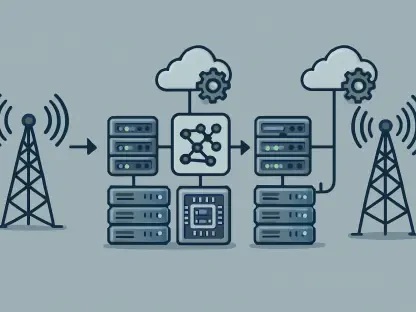
Recent data highlights a significant move toward traffic manipulation where the actual guest network infrastructure of a venue is compromised. In these scenarios, the threat does not stem from a rogue “twin” hotspot, but from the official network itself being manipulated to misdirect users toward malicious content. This allows attackers to present sophisticated phishing pages or fake captive portals that perfectly mirror the standard login screens provided by reputable hotels or international airports. These attacks, such as the widely documented CaptiveCrunch campaigns, are designed to intercept users at the most critical point of the connection process. By controlling the gateway, an attacker can influence every request a device makes before the user even establishes a secure browser session. This level of access enables the delivery of highly targeted and convincing prompts that can deceive even experienced users who are accustomed to following standard procedures for gaining internet access.
These infrastructure-level attacks are particularly effective because they target travelers when they are most likely to be vulnerable, often arriving at their destination tired, distracted, and in a hurry to connect with family or work. Attackers frequently trigger prompts for mandatory browser updates or critical security patches as a condition for accessing the network. These malicious downloads are actually sophisticated malware or credential-harvesting tools that grant the attacker administrative access to the user’s device. This represents a significant transition from simply stealing data in transit to gaining full control over the hardware itself. Once a device is compromised in this manner, the attacker can monitor future activities, steal stored files, and even bypass certain forms of multi-factor authentication. The sophistication of these maneuvers suggests that the human element remains the weakest link, as the technical complexity of the delivery method makes the threat nearly invisible to anyone not actively looking for signs.
Defensive Strategies: Verification and Technological Insulation
To counter these evolving threats, travelers must adopt a multi-layered defense strategy that begins with rigorous network verification. It is no longer sufficient to simply click on a network name that looks familiar or appropriate for the venue. Travelers are encouraged to cross-reference the SSID with physical signage or official documents provided at check-in, ensuring that they are joining the exact network intended by the establishment. If a supposedly free service suddenly requests a credit card number or displays behavior that contradicts the official instructions, it should be treated as a high-risk connection and avoided immediately. This behavioral skepticism acts as a primary filter, catching many of the most common social engineering traps before they can engage the device. Furthermore, staying alert to small inconsistencies in the captive portal interface can provide early warning signs of a compromised gateway, allowing the user to disconnect before any sensitive data is entered.
Technological insulation through the use of a Virtual Private Network remains a critical tool for travelers in 2026, though its role has become more specialized. A VPN creates a secure, encrypted tunnel for all device traffic, effectively hiding the destination of that traffic from the Wi-Fi provider and any observers on the network. This is particularly valuable for preventing the provider from tracking browsing habits or injecting advertisements into the web stream. However, travelers must understand that a VPN is not a universal shield against phishing or malicious downloads. If a user enters a password into a fake website or installs a compromised update, the VPN will not stop that information from reaching the attacker. Additionally, the choice of provider is paramount, as low-quality free services may engage in the very data harvesting that the user is attempting to avoid. A reputable, paid service that utilizes modern protocols is the only way to ensure that the tunnel itself remains a source of protection.
Digital Hygiene: Preparing for Safe International Travel
Practicing high standards of digital hygiene is a prerequisite for safety in the modern travel landscape. Before departing on any journey, users should ensure that all operating system updates and security patches are fully installed to close any known vulnerabilities that attackers might exploit. It is also essential to disable auto-join features for open networks, which prevents the device from automatically connecting to malicious twins of previously used networks without the user’s knowledge. Clearing the list of remembered networks at the end of a trip further minimizes the device’s digital footprint and reduces the chances of a future accidental connection. These proactive steps create a hardened environment that is much more difficult for an attacker to penetrate, even if the user inadvertently joins a compromised network. By treating the device as a secure perimeter, travelers can significantly reduce the potential impact of any single point of failure during their transit or hotel stay.
The adoption of multi-factor authentication and official mobile applications provides another vital layer of security for the 2026 traveler. Official apps for banking, airlines, and hospitality services often include advanced security measures like certificate pinning, which makes them significantly harder to spoof than a standard webpage. By funneling sensitive transactions through these hardened apps rather than a mobile browser, users can bypass many of the common redirection tactics used in infrastructure attacks. Simultaneously, utilizing passkeys or robust multi-factor authentication ensures that even if a password is stolen on a public network, the account remains protected from unauthorized access. This secondary layer of verification is often the only thing standing between a traveler and a total account takeover. When combined with the use of reputable password managers, these tools form a comprehensive defense that addresses both the technical and human vulnerabilities associated with modern public Wi-Fi usage.
Strategic Alternatives: Moving Beyond Public Network Risks
The analysis of travel security trends in 2026 showed that the most effective way to manage risk was to utilize alternative connectivity options for sensitive tasks. Security experts observed that the increasing affordability and availability of travel eSIMs allowed users to bypass public Wi-Fi entirely for activities involving corporate secrets or financial management. This period marked a significant shift where cellular data became the preferred standard for security-conscious individuals. The findings demonstrated that users who recognized specific red lines, such as browser certificate warnings or unexpected requests for system permissions, and immediately switched to a personal hotspot, were consistently able to avoid the most sophisticated attacks. Looking forward, travelers should prioritize the acquisition of a local or international data plan as a primary safety measure. By treating public Wi-Fi only as a secondary tool for low-stakes activities, individuals can maintain their digital integrity while exploring the world.
The synthesis of recent cybersecurity reports indicated that while the threat landscape has become more dangerous, the tools for defense have also become more accessible. It was concluded that a successful travel strategy in 2026 requires moving beyond reliance on shared infrastructure for anything other than basic browsing. The transition toward personal connectivity solutions and the consistent use of official applications proved to be the most reliable methods for securing personal information during transit. As the industry continues to evolve, the integration of cellular data and advanced authentication will likely become the default expectation for anyone conducting business or managing private accounts abroad. Ultimately, the lessons learned from recent infrastructure compromises emphasize that the most secure network is the one you control yourself. By staying informed and maintaining high technical standards, the modern traveler can successfully navigate the complexities of global connectivity while ensuring their personal data remains protected.