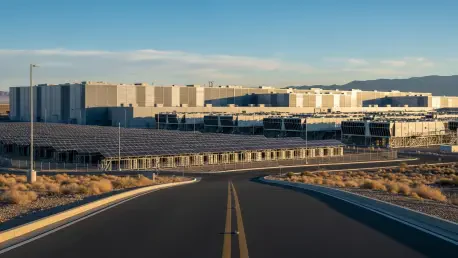
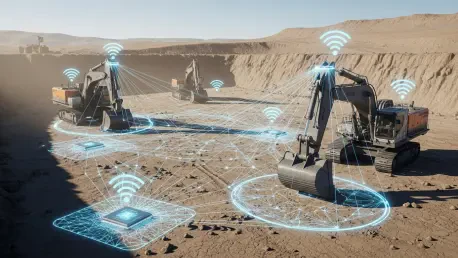
The sudden failure of a wireless connection in an industrial yard no longer represents a mere inconvenience but can trigger a cascade of operational failures that jeopardize safety and profitability. In the current landscape of 2026, the migration of heavy industrial workflows to the edge has
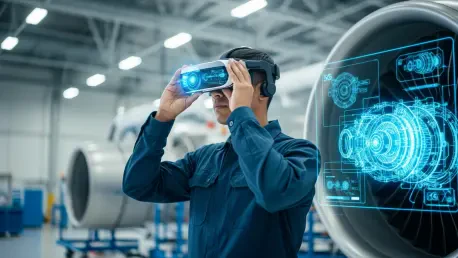
The transition from two-dimensional browsing to a three-dimensional digital experience represents a fundamental shift in how human populations interact with information and physical space simultaneously. Telecommunications providers are no longer content with being simple conduits for raw data;

The depths of the world's oceans have long remained a sanctuary of silence, posing a significant challenge for researchers attempting to track the migration patterns and behaviors of the planet's largest mammals. Traditionally, marine biologists have relied heavily on hydrophones to capture the

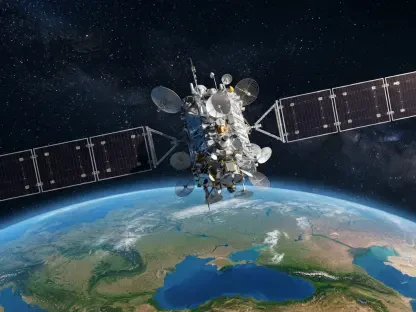
The rapid deployment of thousands of low-Earth orbit satellites has fundamentally shifted the telecommunications landscape, forcing legacy providers to reconsider their terrestrial-first strategies. By 2026, the transition from experimental satellite internet to a fully integrated hybrid network

The global demand for high-speed, low-latency data transmission has reached a critical threshold where conventional 5G infrastructures are already struggling to meet the explosive growth of autonomous systems and hyper-connected industrial environments. As industries scramble to implement solutions
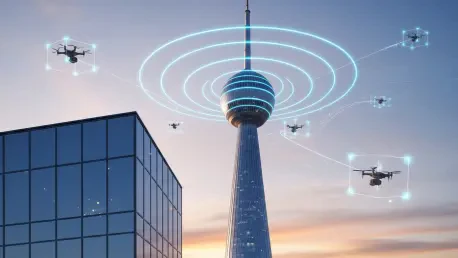
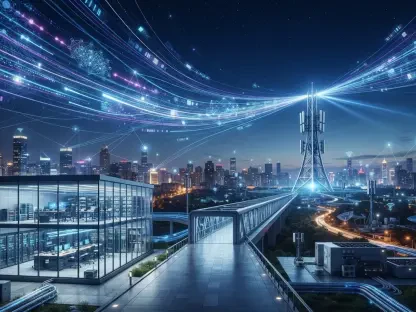
The invisible architecture of the global telecommunications grid is undergoing a profound metamorphosis as wireless towers evolve from passive conduits of data into an active, environment-aware sensory nervous system. This historic transformation is headlined by Integrated Sensing and