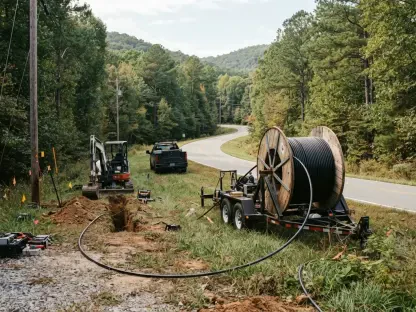

Responsive cities are moving from the conceptual stage to reality as real-time data analysis begins to anticipate human needs and address complex global challenges. The integration of billions of sensors into the very fabric of urban life has transformed the way municipalities manage resources and protect citizens. This evolution is no longer about simple connectivity; it is about the synthesis of artificial intelligence and edge computing to create environments that learn. From optimized traffic flow that reduces carbon emissions to autonomous waste management systems that identify recycling potential in real time, the scope of this transformation is immense. We are seeing a shift where digital infrastructure is considered as vital as physical roads and bridges. As these networks expand, they provide a granular view of systemic performance that was previously impossible to attain. This level of visibility allows for proactive maintenance and rapid response to emergencies, setting a new standard for modern living conditions globally.
Precision Infrastructure and Industrial Resilience
Section 1: The Evolution of Energy Networks
The implementation of smart grids represents a significant milestone in the journey toward sustainable energy management. By utilizing advanced metering infrastructure and automated distribution systems, utilities can now balance supply and demand with unprecedented precision. This capability is particularly critical as intermittent renewable energy sources, such as solar and wind, become more dominant in the power mix. Sensors located at every node of the grid monitor voltage fluctuations and load patterns, allowing for autonomous adjustments that prevent outages before they occur. Furthermore, the ability to redirect power in milliseconds during a localized failure ensures that critical services remain operational. This shift from a centralized distribution model to a decentralized network empowers consumers to participate in demand-response programs. Such programs incentivize lowering energy usage during peak periods, which reduces the overall strain on the environment and lowers operational costs.
Beyond basic distribution, the optimization of industrial machinery through predictive maintenance has revolutionized manufacturing. Factories now rely on acoustic sensors and thermal imaging to detect the earliest signs of mechanical wear long before a failure halts production. This shift from reactive to proactive maintenance saves billions in lost time and replacement costs annually. In the context of 2026 to 2028, it is expected that 90% of heavy manufacturing plants will adopt these integrated diagnostic tools. These systems do more than just monitor health; they analyze performance data to suggest configuration changes that maximize throughput while minimizing energy consumption. This deep integration of data into the physical world ensures that industrial output remains high while the ecological footprint is minimized. The convergence of these technologies creates a resilient ecosystem where machines communicate their needs and status to a central management platform, making the industrial sector a fluid component of the economy.
Section 2: Logistics and Supply Chain Optimization
In the realm of global logistics, the tracking of goods has evolved from simple point-to-point updates to a continuous stream of environmental and location data. Low-power wide-area networks allow for the monitoring of sensitive cargo, such as pharmaceuticals or perishable foods, throughout their entire journey. Sensors now record humidity, temperature, and shock levels, transmitting this information via satellite when traditional cellular networks are unavailable. If a container deviates from its required temperature range, the system automatically alerts the carrier and can even trigger automated cooling adjustments. This level of granular control significantly reduces waste and ensures the integrity of the global supply chain. In the period from 2026 to 2028, the logistics industry is expected to see a phase-out of manual inventory scanning in favor of passive identification systems. These systems provide a real-time digital twin of the entire warehouse, allowing managers to optimize the movement of goods.
The integration of autonomous vehicles into these logistics networks further enhances the speed and reliability of deliveries. Automated guided vehicles and drones are now synchronized through a central cloud-based orchestrator that manages traffic flow and battery levels. This coordination ensures that vehicles are never idle and that delivery routes are adjusted in real-time based on current weather or traffic congestion. By removing the element of human error and fatigue, these systems operate with a level of consistency that was previously unattainable. Moreover, the data harvested from these operations provides valuable insights into regional demand patterns, enabling businesses to pre-position inventory closer to the end consumer. This predictive shipping model represents a frontier in commerce, where the time between an order and its fulfillment is reduced to minutes rather than days. As these technologies mature, the distinction between digital storefronts and physical warehouses continues to blur.
Personal Well-being and Intelligent Environments
Section 3: The Integration of Healthcare Sensors
Healthcare has undergone a radical transformation as the focus shifts from clinical intervention to continuous, non-invasive monitoring. Modern wearables are now capable of tracking complex biomarkers, including blood glucose levels and cardiac rhythms, with medical-grade accuracy. This data is fed directly into secure healthcare platforms where artificial intelligence algorithms scan for anomalies that might indicate early-stage illness. For patients with chronic conditions, this means a significantly higher quality of life, as they no longer need to perform frequent manual checks or visit clinics for routine monitoring. The connectivity between these devices and professional medical systems ensures that a physician is alerted the moment a patient’s health starts to deteriorate. This proactive approach saves lives by catching issues before they escalate into emergencies. In the coming years from 2026 to 2028, these personal health networks will likely become the primary method for managing public health.
Furthermore, the role of connected technology in surgical and rehabilitative settings has expanded significantly. Robotic-assisted surgery, guided by high-fidelity haptic sensors, allows for procedures with minimal trauma and faster recovery times. During the post-operative phase, smart prosthetics and orthotics equipped with motion sensors provide therapists with detailed data on a patient’s progress. This information allows for the customization of rehabilitation programs in real-time, ensuring that exercises are adjusted to match the patient’s physical capabilities and rate of improvement. The psychological impact of this technology cannot be understated, as patients feel more empowered and engaged in their own recovery process. The synchronization of this data with electronic health records creates a comprehensive view of the patient’s journey, facilitating better communication between different specialists. As these systems become more intuitive, they remove the barriers between advanced medical technology and everyday health.
Section 4: Redefining Residential Living
The concept of a smart home has moved beyond simple voice-controlled lights to fully integrated ecosystems that manage every aspect of the domestic environment. Modern residences are equipped with air quality sensors that automatically adjust ventilation and filtration based on detected pollutants or CO2 levels. These systems are designed to enhance the physical and mental well-being of the inhabitants by maintaining optimal living conditions without the need for manual intervention. Smart appliances are now capable of managing their own energy consumption, shifting heavy tasks like laundry or dishwashing to hours when electricity is cheapest and most abundant. This level of automation not only reduces utility bills but also contributes to a more stable and efficient national power grid. The kitchen has also seen a revolution, with refrigerators that monitor nutritional intake and suggest recipes based on the ingredients available. This holistic approach to home management ensures that the residence acts as a supportive partner.
Security and safety within the home have also been elevated through the application of advanced sensor fusion. Security systems now use behavioral biometrics and facial recognition to distinguish between residents, guests, and potential intruders with incredible accuracy. These systems are integrated with smart locks and lighting to create a comprehensive safety perimeter that can be monitored from anywhere in the world. In addition to physical security, smart homes are now capable of detecting domestic hazards such as water leaks, gas leaks, or electrical fires at their very inception. Sensors placed in plumbing and electrical panels can shut off the main supply lines instantly if a problem is detected, preventing catastrophic damage. This protective layer provides homeowners with unparalleled peace of mind, knowing that their property is being monitored by a digital guardian. As these systems become more affordable, they are becoming a standard feature in new developments, reflecting a shift toward a safer way of living.
Strategic Action and Holistic Outcomes
The journey toward a fully interconnected world revealed that the true value of data lay in its ability to inform decisive action and foster resilience across all sectors. Organizations that prioritized the integration of robust security protocols and interoperable standards during the initial rollout of these technologies found themselves better positioned to scale. It was observed that the most successful implementations focused on specific human outcomes rather than technology for its own sake. To move forward, stakeholders should invest in talent that understands both the physical and digital aspects of their operations. Developing a strategy for data governance and privacy became a non-negotiable requirement for maintaining public trust. Looking back, the shift to these intelligent systems necessitated a move away from siloed information toward a more collaborative and open ecosystem. Leaders who embraced this change successfully navigated the complexities of a rapidly evolving landscape, ensuring that their systems remained adaptable.