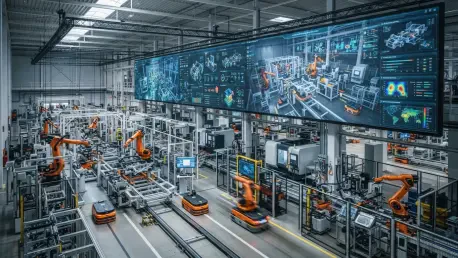

Advanced cutting patterns and optimized material usage are reducing scrap metal waste as manufacturers align profitability with environmental regulations. The global manufacturing sector is currently navigating a period of profound structural change, often characterized as the fourth industrial revolution or Industry 4.0. Central to this evolution is the integration of high-level digital technologies designed to optimize efficiency, reduce operational expenditures, and elevate product quality. Among these advancements, digital twin technology has emerged as a cornerstone of modern smart manufacturing, acting as a sophisticated virtual representation of a physical asset, process, or entire system. This dynamic entity relies on a continuous, bidirectional flow of data between the physical object and its virtual counterpart. By leveraging the Internet of Things, artificial intelligence, and high-fidelity computer simulations, manufacturers can monitor real-world conditions in real-time. This provides a sandbox environment where changes can be tested virtually before they are implemented physically, thereby mitigating risk and conserving valuable resources. As we progress through 2026, the reliance on these virtual counterparts has shifted from a competitive advantage to an industrial necessity for survival in a volatile global economy.
Technological Foundations and Operational Logic
The Synergy of Disruptive Technologies
The efficacy of digital twin technology is not derived from a single software package but from the convergence of several high-tech pillars that must function in perfect harmony. Sensors embedded in physical machinery capture vital metrics such as temperature, pressure, vibration, and energy consumption, creating a granular data stream that was previously inaccessible to plant managers. Big data analytics process this massive influx of information instantaneously to ensure the digital model accurately reflects the current state of the factory floor at any given microsecond. Furthermore, machine learning algorithms analyze historical and real-time data to identify patterns, predict future states, and suggest specific optimizations. This technological synergy allows for a high-fidelity mirror of reality, where the virtual model evolves alongside the physical asset. In 2026, the integration of 6G connectivity and edge computing has further reduced latency, ensuring that the digital twin is never more than a few milliseconds behind its physical counterpart, allowing for unprecedented control over complex automated systems.
Improving Production Flow and System Efficiency
One of the primary drivers for adopting digital twins is the pursuit of maximum production efficiency within environments that are often prone to bottlenecks and uneven workloads. Digital twins allow plant managers to visualize the entire production ecosystem in a single, immersive interface, enabling them to run “what-if” simulations to adjust variables such as production schedules, machine speeds, or robotic pathfinding. This enables them to identify the most efficient configurations without interrupting actual operations, allowing firms to pivot quickly in response to changing market demands or localized supply disruptions. By simulating different floor layouts and material handling routes, companies have managed to reduce idle time by nearly thirty percent compared to traditional methods. These virtual experiments take into account the physics of the environment, ensuring that any optimization found in the digital space translates perfectly to the physical factory floor. This proactive approach to system logic ensures that resources are allocated where they are most needed, maximizing throughput while minimizing the wear and tear on expensive machinery.
Advanced Maintenance and Lifecycle Management
The Strategic Shift Toward Predictive Maintenance
Historically, manufacturing maintenance followed reactive or preventative models, both of which are inherently inefficient due to unplanned downtime or unnecessary labor costs. Digital twins facilitate a strategic shift toward predictive maintenance by constantly monitoring the health of a machine through sensor data to detect minute deviations that signal an impending failure. For example, a slight change in the acoustic signature of a ball bearing can be detected by the digital twin long before a human operator notices a problem. This allows maintenance teams to intervene at the optimal moment, extending the lifespan of the equipment and preventing the catastrophic costs associated with total system shutdowns. In 2026, the adoption of this model has significantly reduced the frequency of emergency repairs, allowing factories to maintain a steady cadence of production. By using the digital twin to simulate various failure scenarios, technicians can also be better prepared with the exact parts and tools required for a specific job, further streamlining the repair process and ensuring safety protocols are followed to the letter.
Revolutionizing Design and Product Development
The application of digital twins extends far beyond the factory floor into the realms of research and development, where they are fundamentally changing how products are conceived and tested. Engineers can build a digital twin of a product before a single physical unit is manufactured, simulating how different materials respond to stress, temperature fluctuations, and long-term wear. This virtual prototyping significantly accelerates the time-to-market and reduces development costs by eliminating the need for dozens of expensive physical prototypes. Furthermore, the twin follows the product throughout its entire lifecycle, even after it has left the factory. By feeding real-world usage data back from the field, manufacturers can inform future design iterations and improve subsequent generations of their products based on actual consumer behavior and mechanical performance. This closed-loop system ensures that engineering teams are no longer working in a vacuum, but are instead guided by empirical data that reflects how their designs perform in the hands of the end-user, leading to more durable and functional products.
Quality Control and Global Logistics
Ensuring Precision Through AI-Driven Quality Control
Maintaining consistent quality is a significant challenge in high-volume manufacturing where small environmental deviations can result in thousands of defective products. Digital twins enhance quality control by linking real-time production data directly to the process model, using artificial intelligence to identify invisible patterns that contribute to defects. If the system detects an error, such as thermal expansion in a cutting tool or a microscopic shift in a robotic arm’s alignment, it can alert operators or automatically adjust machinery settings in real-time to ensure every unit meets strict specifications. This level of automated precision has made the concept of a zero-defect facility more attainable than ever before. By comparing the live output of a production line against the gold standard stored within the digital twin, manufacturers can identify and isolate anomalies within seconds. This immediate feedback loop prevents the accumulation of waste and ensures that only products meeting the highest standards of excellence reach the shipping dock, thereby protecting the brand’s reputation and reducing the costs associated with returns.
Optimizing Supply Chains and Resiliency
In an era of globalized trade, the manufacturing process is deeply intertwined with complex supply chains involving numerous vendors, transporters, and international logistics hubs. A digital twin of the supply chain allows managers to visualize inventory levels and material flows across the entire globe, simulating the impact of potential logistical hurdles such as port strikes or weather-related delays. This foresight allows companies to develop robust contingency plans, such as automatically sourcing from alternative vendors or rerouting shipments, before a crisis manifests in the physical world. This creates a more resilient and agile business model that can withstand the unpredictable nature of global commerce. In 2026, these supply chain twins are often integrated with trade data and geopolitical risk assessments, providing a comprehensive overview of the macro-environment. By modeling the entire journey of a raw material from the mine to the factory, companies can optimize their inventory levels to balance the need for just-in-time efficiency with the necessity of having a safety buffer against unexpected shortages.
Sustainability and Future Horizons
Driving Resource Management and Sustainability
As environmental regulations tighten and carbon taxes become more prevalent, digital twins contribute to sustainability goals by providing a granular view of resource consumption across the enterprise. By analyzing the energy profile of a factory, a digital twin can identify machines that are energy hogs or processes that generate excessive waste during the manufacturing cycle. Simulations are then used to test more sustainable configurations, such as shifting high-energy tasks to hours when renewable energy is most available or optimizing cutting paths to reduce material scrap. These data-driven insights allow manufacturers to reduce their carbon footprint and material waste while simultaneously lowering operational costs, proving that ecological responsibility and profitability are mutually inclusive. Many organizations now use digital twins to report their environmental impact with high accuracy, providing transparent data to regulators and environmentally conscious investors. This capability has turned sustainability from a vague corporate goal into a measurable metric that can be tracked, optimized, and showcased as a core component of the company’s value proposition.
Overcoming Barriers to Digital System Implementation
Despite the clear advantages, the path to a fully realized digital twin ecosystem is fraught with challenges that require careful navigation and significant investment. High initial costs for IT infrastructure, specialized software, and the deployment of thousands of sensors can be prohibitive for smaller enterprises. Manufacturers must also address concerns regarding data integrity and cybersecurity, as the increased connectivity of the factory floor expands the potential attack surface for malicious actors. Furthermore, a significant talent gap exists, as the modern workforce requires upskilling to manage and interpret the complex data visualizations provided by these virtual systems. Success in this area requires a holistic strategy that prioritizes data security and employee training alongside technological procurement. Companies that have successfully navigated these hurdles often began with small-scale pilot projects, gradually expanding their digital footprint as they realized a return on investment. Ensuring that different software systems can communicate through standardized protocols has also been a critical factor in creating a seamless and interoperable digital environment that spans the entire organization.
Evolution Toward Holistic AI-Driven Autonomy
The final stages of this industrial transformation involved a move toward holistic, AI-driven autonomous systems that functioned with minimal human intervention. To reach this point, organizations invested heavily in integrating their digital twins with advanced robotics, allowing the virtual model to command physical changes on the fly. Manufacturers that embraced this transition found that their facilities were able to self-correct and self-optimize, leading to a significant increase in overall equipment effectiveness. Leaders in the field recommended that companies should focus on breaking down data silos and fostering a culture of digital literacy among all departments. Those who successfully implemented these strategies by 2026 saw a dramatic reduction in operational waste and a substantial boost in their ability to customize products at scale. Moving forward, the focus shifted toward inter-company digital twins, where entire value chains shared virtual models to achieve a level of global efficiency that was previously unthinkable. The lesson learned was clear: the integration of the physical and virtual worlds was not just a technological upgrade, but a complete reimagining of the industrial landscape.