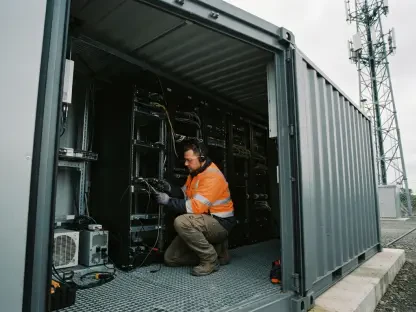

The frequent and repeated deployment of technical auditors across the vast terrain of Chad highlights a persistent struggle to align actual mobile performance with the ambitious legal standards set by national regulators. This ongoing tension defines the relationship between the state and the private providers tasked with connecting the population, creating a landscape where technical verification is as common as network downtime.
Regulatory bodies have attempted to bridge this gap through consistent observation, yet the results of such efforts remain questionable. This recurring cycle suggests that simply identifying flaws does not equate to fixing the underlying systemic problems that plague the regional digital infrastructure.
Decoding the Landscape of Chad’s Mobile Connectivity
The Chadian telecommunications sector is currently a duopoly consisting of Airtel Chad and Moov Africa Chad, both of which operate under the rigorous oversight of the national regulatory authority. While mobile penetration is a critical pillar for the nation’s digital economy, the industry is characterized by a significant gap between service obligations and the actual experience of the average user.
Domestic markets continue to struggle with systemic inefficiencies that hinder the scope of digital services across both urban and rural regions. Despite the influence of international telecom groups, the local environment presents unique difficulties that prevent the seamless delivery of high-speed connectivity.
Driving Factors and Market Realities in Chadian Telecoms
A major trend within the industry is the shift toward frequent, nationwide audits as a primary tool for regulatory intervention. These technical assessments reflect evolving consumer behaviors that demand higher data speeds, yet they also highlight a recurring pattern of operational failure that persists despite government pressure.
Current drivers include a state-led push for digital inclusion, which contrasts sharply with the stagnation caused by aging hardware. The disconnect between government aspirations and the technical reality on the ground creates a volatile market environment for both providers and consumers.
Identifying Persistent Patterns in Mobile Service Delivery
The 16th nationwide audit, conducted with the consulting firm Directive, underscores a pattern where technical teams are deployed to measure real-time performance against legal obligations. These assessments have consistently pointed to faulty equipment and poor maintenance as the primary reasons for the lack of reliable connectivity.
Officials remain skeptical about whether the investments promised by operators are translating into better experiences for the public. Frequent summons of industry executives have become a standard procedure to account for the ongoing deterioration of services and the lack of tangible infrastructure progress.
Analyzing Performance Indicators and Infrastructure Investments
Market data suggests that while operators committed to substantial investment plans for the period from 2026 to 2028, tangible improvements in network performance remain elusive. Projections for the sector are tempered by the fact that previous financial penalties did not effectively catalyze the necessary hardware upgrades.
Future growth hinges on whether providers can move beyond baseline compliance to implement robust 4G and 5G frameworks. These systems must be capable of withstanding the unique environmental and logistical pressures that characterize the Chadian interior.
Overcoming the Technical and Financial Hurdles of Modernization
The path to a stable network is obstructed by a combination of fragile power grids and high operational costs. Faulty equipment and the lack of a reliable national electricity supply force providers to rely on expensive, decentralized power solutions that often fail and lead to outages.
Furthermore, there is a growing tension between aggressive regulatory fines and the capital expenditure required for expansion. Industry advocates argue that heavy financial penalties may inadvertently drain the resources needed for the long-term technological upgrades the country desperately requires.
Evaluating Regulatory Frameworks and Compliance Mechanisms
Chad maintains a legal framework that empowers the regulator to impose fines ranging from 5% to 10% of an operator’s annual turnover for persistent violations. The landscape also includes provisions for the suspension or revocation of operating licenses in extreme cases of non-compliance.
However, the effectiveness of these standards is under intense scrutiny, as high-profile fines have yet to produce a measurable shift in corporate accountability. Penalties that reached billions of CFA in previous years did not result in the lasting resolution of technical service problems.
Charting the Future Path of Digital Communication in Chad
The trajectory of the industry depends on finding a middle ground between punitive regulation and collaborative infrastructure development. Emerging technologies and the potential entry of new market disruptors could provide the necessary competition to spark much-needed innovation.
Future growth areas are likely to center on the modernization of backbone infrastructure and the adoption of more resilient energy sources. This evolution is necessary to ensure the industry can meet the technical demands of a more digitally connected and demanding population.
Synthesizing Solutions for Sustainable Network Improvement
The determination that frequent audits served only as diagnostic tools rather than cures became evident as the sector sought progress. Stakeholders realized that regulatory focus needed to shift from reactive punishment toward proactive partnership, allowing for more collaborative technical solutions.
Ultimately, the long-term health of the sector required a stable economic environment and a modernized power grid to support the requirements of high-quality mobile services. Redirecting fine payments into verified infrastructure projects offered a more sustainable way to enhance the nation’s connectivity.