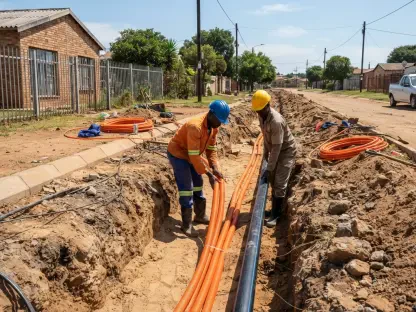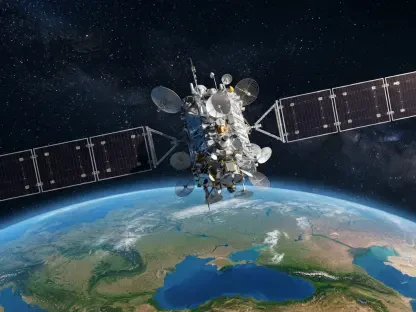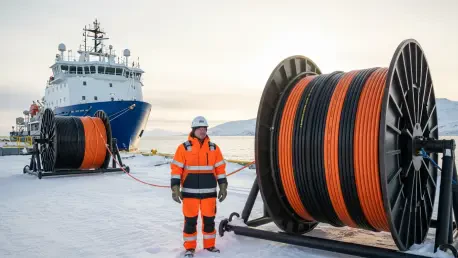

The sheer logistical complexity of maintaining a digital lifeline across the frozen tundra and beneath the icy depths of the Arctic Ocean remains one of the most daunting engineering challenges in the modern telecommunications industry. As GCI Holdings, LLC, moves forward with its definitive agreement to acquire 100% of Quintillion from Grain Management, the landscape of Alaska’s digital infrastructure is undergoing a fundamental transformation. This acquisition does not merely represent a change in corporate ownership; it signals a strategic consolidation of assets that includes 1,800 miles of existing subsea and terrestrial fiber-optic cables. By integrating these high-capacity lines with an additional 1,500 miles of planned expansions, GCI is positioning itself to address the persistent digital divide that has long isolated northern communities. This merger aims to unify disparate regional networks into a single, cohesive system capable of withstanding the extreme environmental pressures of the Arctic while providing the high-speed bandwidth necessary for modern commerce.
Technical Infrastructure and Network Resilience
Implementing a Self-Healing Ring Architecture
The primary technical advantage of merging GCI’s established footprint with Quintillion’s specialized Arctic assets is the ability to move toward a “ringed” network architecture. In the current configuration, many remote Alaskan communities rely on single-path connections, meaning a single cable break caused by shifting ice or seismic activity can result in total communication blackouts. By linking these various fiber paths together, GCI can implement a self-healing system that automatically detects physical disruptions and reroutes data traffic through alternative directions in the network. This level of redundancy is crucial for maintaining uptime in regions where repair crews may take weeks to reach a site due to weather conditions. The transition to this topology ensures that critical services such as emergency response and healthcare stay online even when the physical infrastructure is compromised.
A unified network architecture also allows for more sophisticated traffic management protocols that were previously impossible when data had to transition between different provider hand-off points. With the entire fiber path under a single operational umbrella, engineers can optimize latency and jitter for real-time applications like video conferencing and cloud computing. This is particularly vital for the educational sector in the North Slope and beyond, where students depend on reliable streaming for distance learning. The technical synergy between GCI’s statewide backbone and Quintillion’s subsea expertise creates a more robust platform that can handle the increasing data demands of Alaskans through 2028 and beyond. By eliminating the friction of multi-provider routing, the acquisition provides a seamless path for data that improves the user experience for every residential and commercial subscriber in the region.
Centralized Management and Arctic Operational Expertise
Beyond the physical cables, the acquisition brings Quintillion’s infrastructure under GCI’s localized management, which is deeply rooted in Alaska’s unique operational environment. Centralizing network operations allows for a more proactive approach to preventative maintenance, using advanced monitoring tools to identify potential points of failure before they lead to outages. GCI’s decades of experience in navigating the logistical nightmares of the Arctic—ranging from permafrost stabilization to specialized marine repairs—provide a foundation for more efficient asset management. This single point of accountability means that when disruptions do occur, restoration efforts are coordinated through a unified command structure. This efficiency reduces the time to recovery and ensures that capital investments are directed toward the most critical vulnerabilities across the combined statewide footprint.
The consolidation of these operational teams also fosters a more specialized workforce that is trained specifically for the rigors of high-latitude infrastructure maintenance. Instead of having two separate organizations competing for specialized equipment and technical talent, the merged entity can pool resources to tackle large-scale projects more effectively. This is especially relevant as the industry looks toward the completion of the 1,500 miles of planned expansion projects already in the pipeline. With a unified strategy, GCI can ensure that new builds are fully compatible with existing systems from the ground up, reducing the need for costly retrofits later. This streamlined operational model is expected to drive down long-term costs while simultaneously increasing the overall quality and reliability of service for the most remote customers in the state.
Strategic Economic Development and National Security
Expanding Broadband Access Through Public-Private Collaboration
The acquisition reinforces a proven strategy of pairing significant private investment with federal and state grants to extend broadband into areas where the cost of construction would otherwise be prohibitive. GCI has committed to completing Quintillion’s existing grant-funded projects, ensuring that public money is used to its maximum potential for the benefit of underserved communities. This commitment is essential for closing the “last mile” gap in places where the geography makes traditional terrestrial builds nearly impossible. By taking over these obligations, GCI ensures that there is no loss of momentum in the deployment of high-capacity internet to rural villages. This collaborative approach allows for the development of modern infrastructure that can support local economies, enabling small businesses in the Arctic to participate in the global marketplace on an equal footing.
Furthermore, the integration of these networks provides a more stable foundation for the delivery of essential public services like telehealth, which has become a cornerstone of rural Alaskan life. When healthcare providers can rely on a high-speed, redundant connection, they can offer more advanced diagnostic services remotely, reducing the need for patients to travel vast distances for routine care. The economic impact of this connectivity extends to the fishing and resource extraction industries, which require real-time data for logistics and safety. By stabilizing the communications environment, GCI is helping to lower the operational risks for all businesses functioning in the Alaskan North. This strategy creates a virtuous cycle where better infrastructure attracts more investment, which in turn provides the revenue needed to further maintain and expand the network in a sustainable manner.
Strengthening National Defense and Arctic Sovereignty
Alaska occupies a vital role in the national security of the United States, serving as a primary hub for Arctic defense and maritime monitoring operations. The enhanced resilience and redundancy provided by the combined GCI-Quintillion network are directly beneficial to the military installations and federal agencies stationed across the state. In an era where secure and reliable communications are paramount for mission-critical activities, having a robust fiber-optic backbone is a matter of strategic importance. The “ringed” architecture ensures that defense communications remain operational even during localized failures, supporting everything from missile defense systems to search and rescue coordination. This acquisition provides the federal government with a more dependable partner for maintaining the secure lines required for sensitive Arctic missions.
In addition to traditional defense, the strengthened network supports the growing needs of maritime agencies that monitor the increasing commercial traffic through the Northwest Passage. As the Arctic becomes more accessible, the demand for high-bandwidth monitoring and communication services along the coastline will continue to rise. A unified fiber network allows for the deployment of advanced sensor arrays and communication hubs that are essential for environmental protection and maritime safety. By consolidating these assets, GCI provides a streamlined interface for government agencies to coordinate their infrastructure requirements. This cohesive framework not only benefits civilian Alaskans but also ensures that the United States maintains its strategic capabilities in a region that is becoming increasingly central to global geopolitical interests.
The successful integration of Quintillion’s assets into the GCI network was a pivotal step toward achieving total digital equity across the Alaskan landscape. Industry leaders and policymakers should now focus on leveraging this unified infrastructure to foster new economic opportunities in the Arctic, such as data center development and remote work initiatives. To maximize the value of this consolidated network, stakeholders must prioritize the training of a local workforce capable of managing advanced telecommunications systems. Future investments should be directed toward developing localized backup power solutions and hardening terrestrial sites against the intensifying effects of climate change. By building upon this newly resilient foundation, Alaska took a significant leap toward a future where geography no longer dictates the quality of one’s connection to the world.