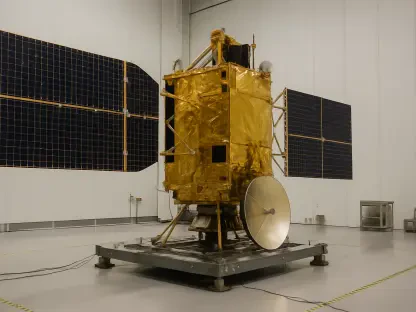

Brussels is betting on the Iris2 constellation, a project involving three hundred forty-eight satellites, to provide a sovereign alternative to Starlink. This initiative marks a definitive shift in the geopolitical landscape, as the struggle for global connectivity transitions from a purely commercial race into a fundamental battle for technological autonomy. In the current climate of 2026, the electromagnetic spectrum has emerged as one of the most contested resources on the planet, serving as the invisible infrastructure that powers everything from military intelligence to consumer logistics. For years, European leaders watched as American private entities, most notably SpaceX, established a near-monopoly on low-Earth orbit connectivity. The realization that critical European data and communication channels are currently dependent on foreign-controlled infrastructure has catalyzed a massive regulatory and industrial counteroffensive. This struggle is not just about who provides the fastest internet speeds; it is about who holds the keys to the digital gateways that define modern national security and economic stability. As the European Union moves to assert its presence in the heavens, it faces the dual challenge of overcoming significant technological gaps while navigating a complex web of transatlantic alliances that are increasingly strained by these protectionist ambitions.
Regulatory Frameworks: The International Telecommunication Union and the 2027 Deadline
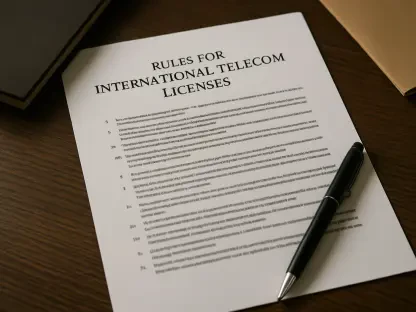
The management of the celestial highways is not a lawless frontier but a meticulously regulated environment overseen by the International Telecommunication Union, a specialized agency of the United Nations. This body is responsible for the global allocation of the electromagnetic spectrum, ensuring that various radio frequencies do not interfere with one another. A pivotal moment for European satellite policy is fast approaching in May 2027, when the current licenses for mobile satellite services within the European Union are set to expire. Historically, the renewal of these licenses was viewed as a mundane administrative task handled by mid-level bureaucrats with little public oversight. However, the stakes have shifted dramatically as the European Commission now views this expiration date as a strategic opportunity to reclaim territorial control over its own airwaves. The upcoming retendering process is being framed as a sovereignty test, with Brussels proposing radical changes to how these frequencies are distributed among global and domestic players. This regulatory pivot represents a significant departure from the open-market principles that previously governed the sector, signaling a new era of digital regionalism.
To achieve this goal of strategic autonomy, the European Commission has drafted a sophisticated proposal to partition the available 30 MHz spectrum into three distinct blocks, each with a specific strategic purpose. The first 10 MHz segment is designated as a government-only block, reserved specifically for the Iris2 constellation to handle secure state communications and defense needs. The second 10 MHz block is earmarked exclusively for European commercial operators, a move designed to nurture a domestic satellite ecosystem and provide a protected market for internal innovation. The final third of the spectrum is the only portion that will be open to international bidding, effectively placing a hard cap on the expansion of foreign giants like Starlink. By restricting global players to just a fraction of the available bandwidth, the European Union is attempting to artificially level the playing field, ensuring that its own nascent space industry has the room to breathe and grow without being immediately stifled by the overwhelming scale and capital of American competitors. This structural reorganization is the centerpiece of the European strategy to prevent a total monopoly on orbital services within its borders.
Geopolitical Lessons: The Ukraine Factor and Transatlantic Friction
The sense of urgency pervading the European space sector is largely a byproduct of the harsh lessons learned during the conflict in Ukraine. In the early stages of that engagement, Starlink was widely celebrated as a crucial lifeline that maintained Ukrainian communication when traditional ground infrastructure was obliterated. However, the subsequent volatility of this service—marked by sudden outages in sensitive zones and public disagreements between corporate leadership and government officials—revealed the inherent danger of relying on a single private individual or a foreign corporation for essential defense capabilities. European policymakers have noted with growing concern that strategic military and civilian operations could be held hostage to the whims or political leanings of a private entity. This realization has transformed satellite constellations from a luxury consumer service into a core component of national defense. The drive for the Iris2 project is therefore fueled by a desire to ensure that the European Union never finds itself in a position where its tactical communication can be throttled or manipulated by an actor outside its direct legal and political jurisdiction.
This aggressive pursuit of orbital independence has naturally created a significant rift in the longstanding transatlantic alliance between Brussels and Washington. The United States government has characterized the European spectrum proposal as a blatant act of protectionism that unfairly targets American innovators who have taken the most significant risks in developing the technology. High-ranking American officials, including Ambassador Andrew Puzder, have warned that such restrictive measures could lead to devastating consequences for international trade and cooperation in the space sector. From the American perspective, the European move is an attempt to use regulatory barriers to compensate for a lack of industrial competitiveness. Conversely, European leaders argue that sovereignty is a non-negotiable prerequisite for security and that the continent cannot remain a digital colony of Silicon Valley. This tension has evolved into a high-stakes diplomatic standoff, with both sides weighing the potential for trade retaliations. The dispute highlights a broader global trend where the shared goals of the past are being replaced by a more fragmented and defensive approach to critical technology and infrastructure.
The Trillion-Dollar Market: Direct-to-Device Technology and Economic Potential
The intensity of the current “Sky War” is further amplified by the immense financial rewards at stake, with the global satellite market projected to surpass the trillion-dollar mark in the coming decade. This economic explosion is primarily driven by the emergence of direct-to-device technology, which represents a fundamental paradigm shift in how users access satellite networks. Previously, satellite internet required specialized, expensive, and often bulky hardware, such as the signature dishes used by Starlink customers. The new generation of satellites, however, can communicate directly with standard smartphones already in the pockets of billions of people. This technological breakthrough removes the hardware barrier to entry and transforms satellite connectivity into a mass-market utility. For the European Union, securing a dominant position in this market is not just a matter of pride; it is an economic necessity. The potential for providing seamless connectivity to rural areas, powering the next generation of autonomous vehicles, and supporting the massive growth of the Internet of Things makes the control of the electromagnetic spectrum a high-value priority for the future of the European digital economy.
Despite these grand economic ambitions, Europe remains hindered by a daunting technological and logistical gap that threatens to undermine its pursuit of sovereignty. While the Iris2 constellation is a bold vision, it is not expected to reach full operational capacity for several more years, whereas SpaceX already maintains a massive, battle-tested fleet of thousands of satellites in orbit. Furthermore, the European space industry is currently grappling with a severe launch bottleneck. With the retirement of older rocket systems and delays in the deployment of new domestic heavy-lift launchers, Europe finds itself in the paradoxical position of needing to rely on American rockets—specifically those operated by SpaceX—to put its own sovereign satellites into space. This dependency creates a strategic vulnerability, as the very competitor Europe seeks to challenge holds the primary means of reaching orbit. Without a robust, cost-effective, and fully domestic launch capability, the dream of European sky sovereignty remains precariously dependent on the cooperation of the very entities it aims to displace. Overcoming this industrial hurdle will require a level of sustained investment and political coordination that has historically been difficult for the multinational bloc to achieve.
Strategic Transitions: Regional Dynamics and the Path Toward Independence
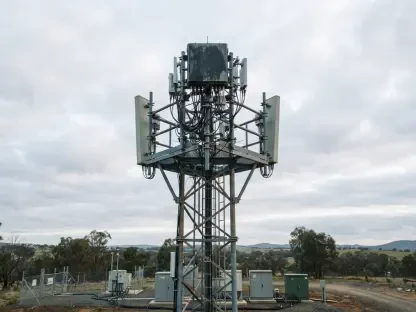
The utility and necessity of satellite internet vary significantly when comparing the American and European markets, a factor that influences how each region approaches the conflict. In the United States, vast and sparsely populated geographic areas often lack high-quality fiber-optic coverage, making satellite connectivity a primary and often superior option for millions of rural residents. In contrast, Europe is much more densely populated and possesses a far more developed terrestrial fiber network. Within the European context, satellite services are viewed more as a strategic complement to existing ground-based 5G networks rather than a total replacement. This regional distinction suggests that the economic threat posed by Starlink to traditional European telecommunications giants like Orange or Deutsche Telekom might be less existential than some fear. Nevertheless, the role of satellites in providing redundant communication links during natural disasters or cyberattacks remains critical. The European strategy focuses on integrating satellite capabilities into a broader, multilayered connectivity framework that ensures no single point of failure can disrupt the continent’s digital life.
The European Union acted to secure its future in the orbital domain by prioritizing strategic autonomy over short-term market efficiency. It established a regulatory precedent that favored domestic control and allocated significant resources to the development of the Iris2 project. Moving forward, lawmakers considered the integration of satellite services into the broader telecommunications infrastructure as a vital step for security. To maintain this momentum, European member states must accelerate the development of independent launch capabilities to resolve the current dependency on foreign rockets. Investment in next-generation satellite technology should be decoupled from traditional bureaucratic delays, allowing for more agile development cycles that can keep pace with private sector innovation. Furthermore, the European Commission should foster deeper public-private partnerships within the bloc to ensure that commercial entities have the financial backing to compete on a global scale. By establishing a clear and protected market for domestic operators, Europe can cultivate an ecosystem that not only serves its security needs but also captures a significant share of the burgeoning global space economy. The focus must now remain on industrial execution and political unity to ensure that the regulatory victories of today translate into technological leadership tomorrow.