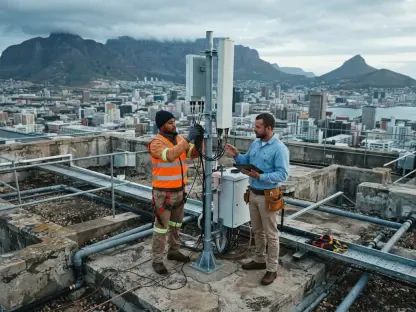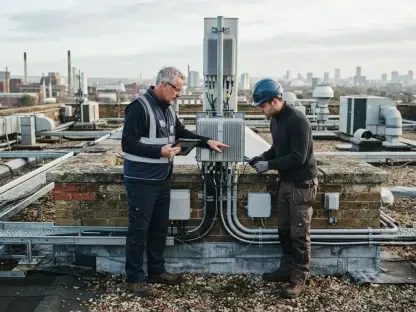

The competitive landscape is being reshaped by intense merger and acquisition activity as equipment manufacturers transform into specialized software and data entities. This fundamental shift is part of a broader industrial evolution where traditional, labor-intensive extraction methods are being replaced by highly automated, data-driven frameworks. According to research from Berg Insight, the installed base of connected mining solutions is poised for an aggressive expansion from approximately 1.5 million units in 2025 to over 3.1 million units by 2030. This growth represents a robust compound annual growth rate of 15.3 percent over this five-year period. This surge is not merely a quantitative increase in the number of sensors on a site; it reflects a qualitative shift in how operators utilize equipment telematics, worker safety protocols, and environmental monitoring to ensure the long-term viability and safety of their global operations. By integrating these systems, mining firms are creating a more resilient and predictable operational model for the future.
Primary Technological Pillars
Asset Tracking and Worker Safety
Equipment connectivity remains the dominant segment of the Internet of Things within the mining sector, evolving from rudimentary asset tracking into complex fleet management. Modern telematics systems, whether pre-installed by manufacturers or added as aftermarket solutions, now provide deep insights into vehicle health and performance. This data allows for predictive maintenance, where potential mechanical failures are identified before they lead to costly downtime. By integrating these systems with broader operational software, mining firms can optimize fuel consumption, reduce tire wear, and extend the lifespan of heavy machinery. The focus has moved from knowing where a machine is located to understanding exactly how it is being utilized and what its current health status indicates for future productivity. This integration ensures that every piece of hardware functions as a vital organ within a larger, interconnected digital body, maximizing efficiency across the entire site.
In parallel with machinery, the concept of the connected worker has gained significant traction as a means to improve safety and productivity in hazardous environments. Wearable devices now monitor a range of vital signs, providing real-time data on heart rate, core body temperature, and fatigue levels. Biometric sensors can alert supervisors if an operator is showing signs of exhaustion or heat stress, allowing for immediate intervention. Furthermore, proximity detection systems are now standard, utilizing various radio frequencies to prevent dangerous vehicle-to-human interactions by alerting both the driver and the pedestrian when they are too close to each other. These tools are no longer seen as optional extras but as essential components of a modern safety strategy. By digitizing the human element of mining, companies are effectively creating a safety net that captures risks which were previously invisible to human oversight, ensuring that personnel remain protected at all times.
Subterranean Environmental Control Systems
Environmental sensing is particularly crucial in underground settings where the margin for error is razor-thin and conditions can change in an instant. The deployment of sensor arrays to monitor air quality, gas concentrations, and structural integrity has become a cornerstone of subterranean operations. These sensors provide a constant stream of data regarding oxygen levels and the presence of toxic or flammable gases like methane or carbon monoxide. Beyond safety, this data is being used to drive significant operational efficiencies through ventilation on demand systems. Instead of running high-powered fans at full capacity throughout the entire mine, airflow is regulated based on the real-time location of personnel and equipment. This targeted approach significantly reduces energy consumption, which is often one of the largest operational expenses in underground mining, while simultaneously ensuring that every active work zone maintains a safe and breathable atmosphere for the entire crew.
Beyond air quality, geotechnical sensors are now used to monitor the stability of tunnel walls and ceilings in real time. These devices detect minute shifts in rock formations that could indicate an impending collapse or seismic event, providing workers with the critical seconds needed to evacuate. The integration of these environmental data points into a centralized management platform allows for a holistic view of the mine health. As the industry pushes deeper into the earth to reach high-grade ore bodies, these environmental controls become even more vital. The data collected from these sensors also informs long-term planning, helping engineers understand how the environment reacts to different extraction techniques. This constant feedback loop between the physical environment and the digital control center is transforming the underground mine into a more predictable and controlled workspace, effectively mitigating many of the historical risks associated with deep-earth resource extraction.
Automation and Strategic Growth
Autonomous Haulage and Regional Adoption
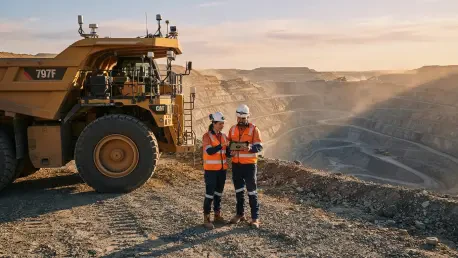
Perhaps the most visible sign of the industry evolution is the widespread adoption of autonomous haulage systems, which are fundamentally changing the face of surface mining. By late 2026, it is estimated that approximately 9,000 autonomous trucks will be operational across the globe, performing repetitive and high-risk tasks without direct human intervention. The market is currently a battleground between established industrial giants and nimble technology specialists. Leaders like Caterpillar and Komatsu have built a formidable presence, with thousands of autonomous units already in the field. Their primary advantage lies in the seamless integration of autonomy software with their proprietary hardware, offering a turnkey solution. However, this dominance is being challenged by third-party innovators who specialize in retrofitting existing fleets with autonomous brains, allowing mining companies to modernize their operations without the massive capital expenditure required for new vehicle purchases.
The adoption of these connected technologies is not uniform across the globe, with the Asia-Pacific region emerging as the undisputed leader in this space. This dominance is driven largely by aggressive smart mining initiatives in China and the long-standing history of automation in Australian iron ore and coal operations. In these regions, the economic necessity of extracting resources from remote or difficult environments has forced a faster pace of innovation. A significant divide exists between the maturity of surface and underground mining technologies. Surface operations benefit from established satellite networks, whereas underground environments remain technically challenging due to the absence of traditional signals. This necessitates specialized communications infrastructure to manage data exchange in confined spaces. Providers in this niche focus on solving subterranean issues like precise positioning without GPS and maintaining reliable data streams in signal-shielded tunnels to ensure total coverage.
Strategic Roadmaps for Digital Integration
The competitive landscape for mining technology is defined by a wave of consolidation as equipment manufacturers seek to broaden their digital capabilities. Companies that were once known solely for their heavy machinery are aggressively acquiring independent software and sensor specialists. This strategy allows industrial giants to offer end-to-end technology portfolios that cover everything from hardware to data analytics platforms. However, this trend has created a secondary challenge regarding the need for interoperability. As mines often deploy equipment from multiple vendors, there is an increasing demand for open standards that allow these disparate systems to communicate. Without standardized protocols, data remains siloed, preventing the holistic view of operations necessary for true optimization. Industry consortia are now working to develop frameworks that facilitate data sharing, ensuring that mining firms are not locked into a single vendor ecosystem.
The path toward a fully connected mining ecosystem was paved with significant investments in digital infrastructure and strategic partnerships. Mining companies transitioned away from isolated technology pilots toward site-wide implementations that unified their digital architecture. This evolution necessitated a shift in organizational culture, where data literacy became as important as physical site management. The industry successfully addressed early hurdles regarding underground connectivity and vendor interoperability by embracing open standards and private network solutions. Looking forward, the next logical step involves the deeper integration of edge computing to process data even closer to the source, further reducing latency for autonomous systems. Organizations should now prioritize the cybersecurity of these sprawling networks to protect their operational integrity. By focusing on the long-term scalability of their digital platforms, operators ensured that their investments remained relevant.