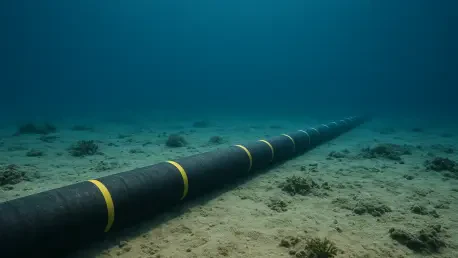

Vladislav Zaimov joins us to discuss the monumental THUS subsea cable project, a cornerstone of modern digital infrastructure. As a specialist in vulnerable network risk management, Zaimov offers a unique perspective on this 18,500-kilometer endeavor. Our conversation covers the strategic bypass of geopolitical hotspots, the technical demands of AI and cloud sectors, and the transformative potential of an open-access model for over 600 million people across Southeast Asia.
With the THUS system spanning over 18,500 kilometers and reaching across nations like Indonesia and Vietnam, how does a project of this scale transform the regional digital landscape?
A project stretching over 18,500 kilometers is a massive synchronization of digital interests across a market of 600 million people. This isn’t just an incremental upgrade; it is a total overhaul of Thailand’s aging direct routes to the United States. When you see this level of connectivity, you can practically feel the pulse of the digital economy accelerating as it moves toward a seamless flow of data. By branching into Malaysia, the Philippines, Singapore, and Vietnam, the system creates a resilient web that moves beyond the limitations of older, singular paths.
One of the most striking features of this route is that it intentionally avoids the South China Sea. From a risk management perspective, what are the strategic implications of choosing such a distinct path?
Choosing a path that steers clear of the South China Sea and other sensitive maritime zones is a masterclass in strategic foresight. By avoiding these areas, the THUS cable significantly reduces the exposure to political disputes and security threats that often plague traditional routes. We are building in a level of route diversity that ensures cloud platforms and AI workloads don’t go dark due to localized friction or repair difficulties in contested waters. This design provides a sense of stability that is essential for safeguarding critical infrastructure from both physical and geopolitical vulnerability.
The project highlights the role of AI, data centers, and cloud platforms as primary drivers for this new capacity. How do these high-demand sectors influence the engineering and operational goals of the cable?
As of 2026, we are seeing an insatiable hunger for data that legacy infrastructure simply cannot satisfy. AI and cloud workloads require a stable global capacity that must be incredibly resilient to handle the weight of modern digital commerce. The THUS system is being engineered to support these sectors by providing a trusted technology framework that protects sensitive data from exploitation. When you have multiple service providers utilizing the network, it forces a level of excellence in the engineering standards to ensure the hardware can handle the heat of constant, high-volume traffic.
You mentioned the open access model for this project. What does this mean for the competitive landscape of telecommunications in Southeast Asia, particularly for smaller service providers?
The open access model is a total game-changer because it breaks down the “walled gardens” that often stifle innovation in international connectivity. By allowing multiple service providers to use the same pipe, we are essentially leveling the playing field for smaller players who previously couldn’t afford a seat at the table. This sparks healthy competition that leads to more affordable connectivity and better service for the millions of users across the region. It is an empowering shift that democratizes data and fuels a much more vibrant and inclusive digital economy for everyone involved.
While the vision is ambitious, the project is currently in its feasibility study phase. What are the most critical hurdles that need to be cleared before the first kilometer of cable is actually laid?
We are currently in an intense phase where the engineering blueprints meet the cold reality of finance and permit requirements. The study conducted by APTelecom must validate everything from commercial demand to the complex web of regulatory filings required to traverse diverse national waters. This involves rigorous market analysis to ensure the project can attract the major capital investment needed for such a massive physical undertaking. It is a period of high-stakes verification where every technical design and business plan calculation must be perfect to ensure long-term viability.
What is your forecast for Thailand’s digital infrastructure?
My forecast is that Thailand will successfully cement its status as the premier digital gateway of Southeast Asia by 2028. With the completion of the THUS project, we will see a dramatic shift in how traffic flows across the Pacific, moving away from congested legacy routes toward this secure corridor. This will likely trigger a massive influx of investment into local data centers, as global companies seek the stability and reach that this 18,500-kilometer system provides. Within the next few years, the regional reliance on this specific path will make Thailand an indispensable node in the global internet architecture.