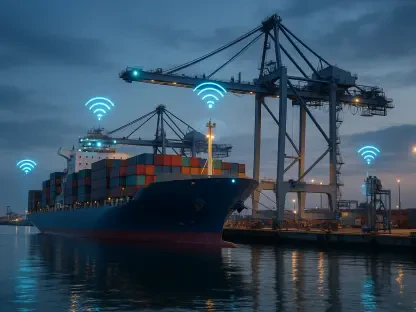

The global digital landscape is currently navigating a period of profound transition as the infrastructure models that once defined the internet are giving way to more decentralized frameworks. By 2026, the industry has reached a significant inflection point, marking a departure from traditional reliance on massive data centers concentrated in primary metropolitan hubs and established long-haul routes. The surge in artificial intelligence, high-capacity cloud computing, and data-intensive enterprise applications has rendered the old centralized approach insufficient for modern requirements. To meet these burgeoning demands, the focus has shifted toward regional fiber infrastructure, which consists of purpose-built networks designed to connect secondary markets, edge locations, and vital interconnection points. This evolution represents a strategic pivot toward digital resilience, lower latency, and higher performance, ensuring that the foundational anchor for the next phase of global digital growth is both robust and geographically diverse.
Drivers of a Distributed Architecture
Modern workloads are becoming increasingly distributed, moving away from centralized processing toward the edge of the network where data is actually generated and consumed by end-users. This transition is being driven by the relentless expansion of AI inference, which requires immense processing power and near-instantaneous data transfers that simply cannot be sustained by high-latency connections to distant hubs. When every millisecond matters for machine learning models or real-time data analytics, the physical distance between the server and the user becomes the ultimate bottleneck. Consequently, regional fiber networks are filling the gap by providing the necessary bandwidth to support localized processing. This shift ensures that emerging technologies, such as smart city platforms and autonomous systems, can function reliably without the lag associated with traditional backhaul methods.
The demand for heightened reliability standards has pushed the industry to rethink how it connects critical sectors like healthcare, finance, and public safety to the global internet. In 2026, the dependence of society on digital services means that uptime and redundancy are no longer optional features but are instead core requirements for any infrastructure project. Regional networks serve as the connective tissue that links local markets to the broader ecosystem, creating a more balanced architecture where data does not have to travel thousands of miles for processing. By establishing these localized routes, service providers can offer more consistent performance levels and better protection against regional outages. This architecture allows for a more fluid exchange of information, ensuring that even if a major metropolitan hub experiences a disruption, the regional connections remain operational.
Building for Physical Durability and Route Diversity
A central theme in the evolution of fiber connectivity is the prioritization of infrastructure resilience through advanced engineering and strategic physical placement. Traditional networks often rely on aerial attachments or bridge crossings, which remain highly vulnerable to environmental hazards, extreme weather events, and accidental physical damage. To mitigate these risks, current regional fiber projects are prioritizing fully underground installations as the gold standard for long-term network survivability. This design choice offers superior protection against the elements and human-caused incidents, ensuring that the physical medium remains secure for decades. By burying the infrastructure deep within protected conduits, developers are creating a more stable foundation that requires less frequent maintenance and provides a more predictable performance profile for high-stakes enterprise applications and critical government infrastructure.
Beyond physical protection, the development of regional networks enhances the global ecosystem by introducing vital route diversity that reduces the impact of congestion. Most long-haul data traffic has historically been funnelled through a handful of primary corridors, creating significant vulnerabilities and single points of failure that can disrupt entire regions. By creating alternative paths that bypass these traditional bottlenecks, regional fiber networks allow for dynamic traffic rerouting in the event of a line failure or scheduled maintenance. This diversification is essential for maintaining the high-capacity throughput required by AI-driven applications and massive cloud workloads. As these networks scale, they provide a multi-layered defense against connectivity loss, ensuring that the digital economy remains resilient. This approach moves beyond simple redundancy, creating a complex web of interconnected paths.
Facilitating Growth Through Strategic Partnerships
The deployment of high-capacity regional fiber is not merely a technical accomplishment but also a significant logistical and regulatory endeavor that requires coordination. There is an increasing trend toward deeper collaboration between private infrastructure developers and public agencies to streamline the complex processes of permitting and planning. This partnership is essential for ensuring that new fiber routes are delivered on schedule and with minimal disruption to local communities during the construction phase. Efficient coordination at the municipal level allows for the integration of fiber expansion with other public works projects, reducing costs and maximizing the impact of every mile laid. By working together, the private and public sectors are creating a more welcoming environment for digital investment, which in turn spurs economic growth in secondary markets that were previously underserved.
The shift toward carrier-neutral and customizable network designs is fundamentally changing how enterprises and municipalities approach their digital connectivity needs. In the past, many regions were limited to a single service provider, which often led to higher costs and a lack of innovation due to a lack of market competition. The current model fosters an open access environment where multiple carriers, enterprises, and even local government entities can share and utilize the same high-performance fiber assets. This democratization of infrastructure allows organizations to gain greater control over their own network paths and hardware, enabling them to tailor their connectivity to specific performance requirements. By investing in new, high-performance fiber rather than relying on aging, legacy systems, stakeholders are ensuring that their digital foundations are built to handle the sophisticated software and hardware demands of the late 2020s.
Navigating the Complexities of Network Expansion
Despite the optimistic outlook for regional connectivity, the expansion of these networks faces several headwinds that require disciplined management and execution. Regulatory hurdles and the intricacies of municipal coordination remain time-intensive, often varying significantly from one jurisdiction to the next, which can delay critical builds. Additionally, the industry is currently grappling with rising material costs and a notable shortage of specialized labor capable of executing precision underground deployments. Access to skilled contractors who understand the nuances of modern fiber engineering is a limiting factor in many secondary markets, making it difficult to scale projects rapidly. Successfully overcoming these obstacles requires a proactive approach to supply chain management and a commitment to workforce development programs that train the next generation of technicians to satisfy global demand.
As regional fiber becomes a pillar of digital strategy, organizations must re-evaluate their long-term network architectures to ensure they are prepared for growth. Connectivity can no longer be viewed as a simple utility or a pipe to a distant data center; it must be treated as a strategic asset that links regional hubs and edge sites. Businesses are moving away from centralized models in favor of distributed approaches that place data processing as close to the source as possible. This requires forward-looking capacity planning that accounts for the exponential growth of AI-driven data traffic from 2026 to 2028 and beyond. By securing partnerships with infrastructure providers that offer route diversity and physical asset control, companies can insulate themselves from the risks of bandwidth shortages. This proactive stance is necessary for any organization that intends to compete in an environment where speed is the primary differentiator.
Implementation Strategies for a Resilient Future
The evolution of regional fiber networks effectively redefined the standards of digital infrastructure by prioritizing long-term durability and geographical diversity over centralized scale. Industry leaders successfully transitioned their focus toward underground construction, which mitigated the risks posed by environmental instability and physical vulnerability. Organizations that embraced this shift gained a significant competitive advantage by securing high-performance links that supported the massive data requirements of artificial intelligence. It became clear that the strength of the digital economy relied not on a few central hubs, but on the resilience of the regional paths connecting them. Stakeholders who prioritized route diversity and collaborative planning were able to navigate the logistical hurdles of network expansion with greater efficiency. This movement toward a distributed ecosystem provided the necessary foundation for sustained growth, ensuring that connectivity remained a reliable utility for businesses.