
The industrial gas giant Messer Gases is moving away from manual, error-prone cylinder tracking by deploying advanced digital solutions at its primary Brazil operations hub. This transition marks a critical pivot for an organization that handles essential supplies for both industrial and medical sectors, where precision is not just an advantage but a necessity. By prioritizing a technological overhaul in its Jundiaí facility in São Paulo, the company has set a new standard for operational visibility within the region. The sheer complexity of managing high-pressure gas containers across vast distribution networks previously left room for logistical bottlenecks that hindered overall productivity. Consequently, the push toward a fully connected infrastructure reflects a strategic recognition that data is a core asset in modern industry. As global supply chains continue to face volatility, the establishment of a robust digital foundation ensures that Messer can respond to market demands with agility while minimizing the risks associated with manual entry.
Modernizing Connectivity: Hardware and Cloud Management
Hardware Integration: Overcoming Industrial Interference
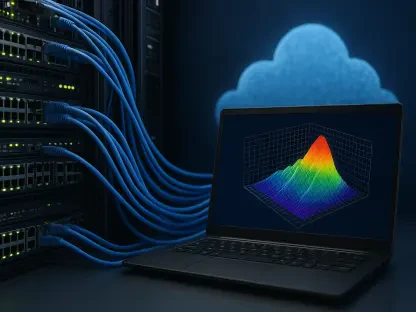
The technical backbone of this digital overhaul involved a comprehensive refresh of Messer’s networking hardware, orchestrated by NEC as the lead systems integrator. By implementing Cisco’s latest portfolio of industrial-grade switches and high-density wireless access points, the facility overcame the physical challenges inherent in gas production environments, such as metallic interference. These hardware upgrades were specifically selected to support the high bandwidth and low latency required for real-time data transmission across the site. Instead of isolated pockets of connectivity, the entire operation now benefits from a unified fabric that links the production floor directly to administrative offices. This seamless integration allows for the continuous flow of telemetry from sensors and mobile devices, ensuring that every operational metric is captured. The resulting infrastructure provides the necessary reliability for mission-critical applications that cannot afford any downtime or signal loss.
Cloud Oversight: Transitioning to Proactive Monitoring
Transitioning to a cloud-based network management model significantly altered how the internal IT department interacts with the facility’s infrastructure. By utilizing advanced monitoring dashboards, technical teams can now visualize network health and traffic patterns in real-time, moving away from a traditional model of reactive troubleshooting. This data-driven approach enables the proactive identification of potential bottlenecks before they affect production, allowing for dynamic adjustments to hardware configurations. Furthermore, the centralized management platform simplifies the deployment of updates and security patches, ensuring that the network remains optimized without requiring extensive on-site manual intervention. This shift toward automated management allows Messer to allocate its human resources toward more strategic initiatives rather than basic maintenance tasks. Having a scalable, cloud-managed environment ensures that the infrastructure can expand seamlessly alongside the company’s operational needs.
Optimizing Operations: Tracking Systems and Secure Networks
Asset Management: Digital Tracking and Access Control
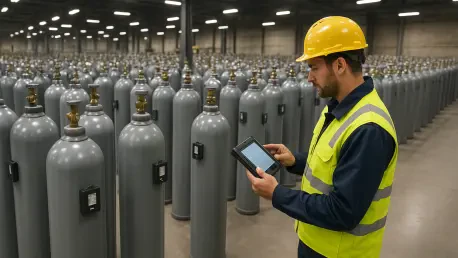
A primary driver for this connectivity upgrade was the deployment of the “Balcão” application, a digital tool designed specifically for the real-time tracking of gas cylinders. In the past, the tracking of these assets was performed through manual logs and paper records, a process that was slow and susceptible to human error. With the new high-performance Wi-Fi network in place, employees can now use handheld devices to scan and update the status of every cylinder instantly as it moves through the filling and shipping stages. This digital visibility ensures that the company maintains an accurate inventory, reducing the likelihood of lost assets. Simultaneously, the implementation of the Cisco Identity Services Engine established a “Zero Trust” security framework. By automating network access control, the system ensures that only authorized equipment can communicate with critical industrial controllers, thereby shielding the facility from cyber threats while streamlining guest connectivity for authorized visitors and onsite contractors.
Strategic Growth: Engineering Expertise and Implementation
To capitalize on this new digital foundation, the management team prioritized the integration of advanced analytics across all operational tiers. The successful modernization in Brazil served as a definitive proof of concept, demonstrating that the elimination of manual bottlenecks was achievable through strategic infrastructure investment. Organizations looking to follow a similar path were encouraged to begin with a thorough audit of their existing network capabilities before attempting to layer on complex software. It was discovered that the most successful implementations occurred when security protocols were baked into the design rather than added as an afterthought. Furthermore, the commitment to ongoing employee training ensured that the workforce remained proficient in using new digital tools like the Balcão system. By maintaining a focus on interoperability, the company positioned itself to integrate emerging technologies seamlessly. This strategy ensured that the overhaul was a sustainable model for long-term growth.