
The global race for artificial intelligence supremacy has evolved into a desperate scramble for electrical power that the traditional utility grid simply cannot provide at the necessary scale or speed. Large-scale data center developers are no longer waiting for local power companies to upgrade aging substations or approve decade-long transmission line projects; instead, they are taking matters into their own hands by building massive, independent power plants directly on their own property. This “behind-the-meter” strategy allows tech giants to bypass the bureaucratic bottlenecks and aging infrastructure that define the public energy sector, effectively turning compute facilities into self-sustaining industrial islands. By integrating onsite generation like natural gas turbines, these companies are creating a new architectural standard for the AI era. This transition represents a shift from being consumers of electricity to becoming power producers, fundamentally altering the economics of the entire industry.
Market Realities: Distinguishing Corporate Hype From Tangible Progress
There is a growing disparity between the grand announcements of gigawatt-scale data centers and the physical progress being made on construction sites across the country. While many developers release flashy brochures and press releases to capture investor interest, satellite data and local land records often tell a much more sober story of stalled permits and empty dirt lots. These speculative ventures frequently rely on a “build it and they will come” philosophy, but without a high-tier tenant like a major cloud provider, the massive capital required for private power plants remains out of reach. This has led to a bifurcated market where only a few well-funded entities can actually deliver on the promise of off-grid computing. The ability to secure long-term fuel contracts and specialized hardware, such as mobile gas turbines, has become the primary bottleneck separating viable infrastructure from mere vaporware designed only to inflate corporate valuations.
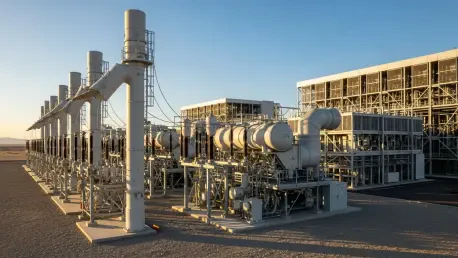
In contrast to the speculative noise, several industry leaders have successfully operationalized behind-the-meter energy solutions to meet the relentless demands of high-performance computing clusters. The xAI facility located in Memphis serves as a primary example of this new paradigm, utilizing dozens of mobile gas turbines to generate hundreds of megawatts of electricity almost entirely independent of the local grid. Similarly, companies like Vantage Data Centers have pioneered the use of repurposed jet-engine technology to provide rapid, reliable power in regions where the utility queue stretches into the next decade. These projects demonstrate that for those with enough capital, the traditional utility model is now an optional hurdle rather than a hard requirement for growth. These facilities are providing the raw computational power necessary to train the next generation of large language models for global use in the coming years without any external delays.
Future Projections: Navigating Capacity Demands And Regulatory Roadblocks
The projected growth for behind-the-meter capacity suggests that by late 2027, the total power consumed by these private data center microgrids could rival the electricity usage of entire metropolitan areas like New York City. This exponential trajectory is fueled by the need for OpenAI and other major developers to secure dedicated power for training runs that require thousands of high-end GPUs operating at maximum load. As the industry moves toward these massive deployments, the focus is shifting toward more stable, long-term energy sources like small modular reactors and large-scale natural gas pipelines to replace temporary mobile turbine setups. However, this level of growth requires a level of fuel infrastructure that currently does not exist in many of the regions where data centers are being built. The disconnect between digital speed and physical fuel logistics remains the most significant challenge for the next wave of expansion in this sector as we move past the current year.
Despite the technological momentum, the rise of private power plants has triggered a wave of regulatory pushback from local governments and environmental agencies concerned about the long-term impacts of such intensive industrial activity. In states like New Mexico and New Jersey, critical behind-the-meter projects have been delayed or blocked due to concerns over air quality permits and the noise pollution generated by rows of industrial gas turbines operating twenty-four hours a day. Regulators are beginning to question whether these facilities should be allowed to operate outside the traditional oversight of public utility commissions, especially when they utilize shared natural gas infrastructure. These legal battles are creating a patchwork of operational environments where some jurisdictions remain friendly to tech growth while others impose strict emissions caps that make onsite generation nearly impossible for developers to maintain long-term operations or scaling goals.
Strategic Autonomy: Implementing Integrated Energy Systems For Global Scaling
The industrial shift toward decentralized power generation represented a definitive answer to the grid constraints that once threatened to derail the progress of artificial intelligence. Companies that took early risks by building their own private energy infrastructure secured a strategic advantage that allowed them to scale at a pace their competitors could not match. The transition away from public utility dependence necessitated a new approach to environmental responsibility and community engagement, as these massive facilities became prominent fixtures in the local landscape. Stakeholders eventually recognized that the path forward required a combination of aggressive onsite generation and a commitment to long-term sustainable energy transitions. This proactive model addressed the immediate need for gigawatt-scale power while establishing a framework for future upgrades to cleaner technologies. The industry moved past the initial phase of growth and began to prioritize integrated systems.
Organizations that integrated power generation directly into their data center planning successfully mitigated the risks associated with public infrastructure failure and energy price volatility. Decision-makers learned that the most effective strategy involved diversifying fuel sources and investing in modular technology that could be deployed rapidly in response to changing computational demands. The move toward behind-the-meter solutions also encouraged a closer collaboration between hardware engineers and energy specialists, leading to significant breakthroughs in cooling efficiency and power distribution. Looking ahead, the industry shifted focus toward hybrid energy models that combined the reliability of onsite generation with the scalability of future green technologies. These steps ensured that the massive hunger for digital intelligence did not come at the expense of regional energy security while providing a blueprint for sustainable growth in the years to follow for global developers.