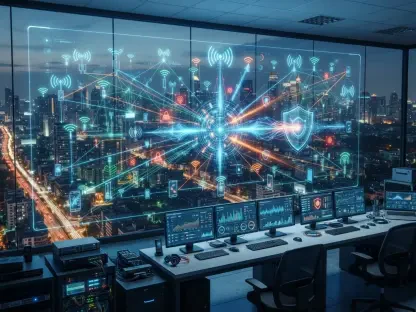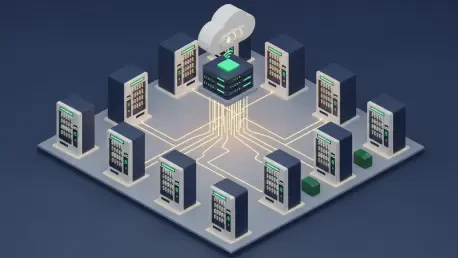

The rapid expansion of unattended retail has forced operators to confront a significant technological gap where traditional vending machines lack the sophisticated connectivity needed for modern asset management. This shift has turned simple vending fleets into complex networks of AI-driven smart coolers and kiosks that require constant oversight to remain profitable and functional. Managing these dispersed units through manual site visits is no longer a viable strategy in a landscape where labor costs are rising and consumer expectations for uptime are at an all-time high. SandStar addresses these fundamental challenges by integrating Internet of Things telemetry with a centralized cloud-based ecosystem designed to replace human error with digital precision. By moving beyond the limitations of legacy systems, the platform provides a unified interface that allows operators to monitor, diagnose, and repair their entire infrastructure without ever stepping foot on site, thereby reducing the friction that previously defined automated commerce.
Eliminating Operational Friction With Real-Time Telemetry
The historical model of vending maintenance was largely reactive, relying on scheduled visits or customer complaints to identify equipment malfunctions or inventory shortages. This “blind” approach created a cycle of inefficiency where technicians arrived at locations without the necessary parts or data to fix the underlying problem, leading to multiple trips and extended downtime. By implementing a robust IoT framework, the platform provides instant visibility into every machine’s status, capturing vital telemetry that informs decision-making before a truck ever leaves the warehouse. This level of insight ensures that every service call is purposeful and data-driven, which fundamentally changes the cost structure of maintaining a large-scale retail network. Instead of guessing which machines need attention, operators can prioritize their workload based on actual performance metrics, shifting the focus from crisis management to strategic upkeep.
Moreover, the integration of cellular and Wi-Fi connectivity allows these smart coolers to transmit data continuously, creating a persistent link between the physical asset and the digital dashboard. This connectivity is the backbone of the entire management system, enabling the transmission of high-resolution sensor data that tracks everything from internal humidity to power consumption spikes. When a machine deviates from its normal operating parameters, the system can trigger automated alerts that notify the appropriate personnel immediately. This proactive stance prevents minor technical glitches from escalating into major hardware failures, effectively extending the lifespan of the equipment and protecting the merchant’s capital investment. As automated retail becomes more prevalent across airports, hospitals, and transit hubs, having this level of remote diagnostic capability is no longer a luxury but a baseline requirement for any organization looking to scale its operations efficiently and sustainably.
Mastering Fleet Management via Dual-Mode Dashboards
To facilitate an organized approach to oversight, the platform employs a specialized List View that serves as a central hub for granular auditing and high-level health checks. This interface aggregates a wealth of technical information, including signal strength, connectivity status, and internal cabinet temperatures, into a single, tabulated format that is easy to navigate. Operators can utilize quick-filter toggles to isolate specific machines that are reporting hardware errors or experiencing low inventory levels, which streamlines the process of identifying outliers in a massive fleet. By presenting this data in a structured manner, the system allows managers to perform comprehensive audits across hundreds of units in minutes rather than hours. This efficiency is critical for maintaining high standards of service, as it ensures that no single machine is left in a state of malfunction or depletion for long, thereby maximizing the potential for consistent revenue generation.
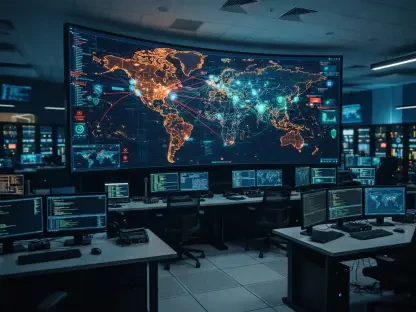
Complementing the data-rich List View is an interactive Map View that provides a location-first perspective on the entire retail operation. By plotting every smart machine on a geographic interface, operators can visualize the spatial distribution of their assets and identify patterns in performance based on specific regions or city zones. This visualization tool is particularly useful for coordinating service routes and optimizing the logistics of inventory replenishment. Instead of sending technicians on haphazard paths across a city, managers can group maintenance tasks by proximity, significantly reducing travel time and fuel consumption. This geographic awareness also helps in strategic planning, as operators can see exactly where their machines are most concentrated and where there might be gaps in coverage. The ability to toggle between a detailed data list and a comprehensive spatial map gives teams a 360-degree view of their operations, ensuring that both technical and logistical challenges are addressed with equal precision.
Empowering Operators Through Remote Hardware Administration
The shift from physical to digital intervention is perhaps the most transformative aspect of the platform, as it allows for the complete lifecycle management of hardware from a remote workstation. This system is engineered for high scalability, supporting batch operations that enable a single command to be pushed out to an entire fleet of machines simultaneously. For regional operators who manage networks spanning multiple cities, the ability to perform uniform software updates or configuration changes without visiting each site is a game-changer. This functionality not only saves thousands of hours in labor but also ensures that every machine in the field is running the most current and secure version of its operating software. Remote administration effectively removes the physical barriers to expansion, allowing companies to grow their footprint without a corresponding linear increase in their technical support staff, which is essential for business growth.
Within this remote administration suite, operators have access to high-impact tools such as system reboots, cabinet locking mechanisms, and Over-The-Air firmware updates. For instance, if a machine’s temperature begins to drift outside of a safe range, an operator can adjust the cooling settings remotely or initiate a system restart to clear temporary software glitches. Furthermore, the platform includes an Idle Mode feature that allows machines to enter a low-power state during off-peak hours, such as overnight in an office building or school. This capability contributes to significant energy savings and aligns the operation with modern sustainability goals by reducing the overall carbon footprint of the retail network. By providing these deep-level controls through a secure cloud interface, the platform empowers operators to react to emergencies or routine maintenance needs with unprecedented speed, ensuring that the machines remain online and ready to serve customers at all times.
Integrating Sales Analytics With Asset Performance
Beyond the technical monitoring of hardware, the system synthesizes IoT telemetry with real-time sales analytics to create a comprehensive picture of business health. Managers can track key performance indicators such as transaction volume, gross profit, and average basket size while viewing visual charts that illustrate inventory movement and hourly sales trends. This integration allows teams to move beyond basic machine maintenance and into the realm of commercial optimization by identifying peak shopping windows and popular product pairings. By understanding exactly when and what consumers are buying, operators can refine their product assortments to better match local demand, reducing waste and increasing the efficiency of their supply chain. This data-driven approach transforms the vending machine from a passive box of goods into an intelligent retail node that actively contributes insights toward the broader corporate strategy for market penetration.
The platform also functions as a digital archive for asset lifecycle management, storing critical information such as serial numbers, warranty details, and service histories alongside live performance data. This centralized repository ensures that all relevant information about a specific unit is accessible to anyone with the proper credentials, facilitating better communication between technical teams and business stakeholders. By bridging the gap between hardware health and financial outcomes, the system enables long-term, data-backed decision-making that influences everything from procurement to site selection. For example, an operator might notice that a specific model of cooler performs significantly better in high-traffic environments, leading to a shift in future hardware investments. This holistic view ensures that every piece of equipment is not only technically sound but is also operating at its maximum commercial potential, providing a path toward sustainable profitability.
Implementing Proactive Strategies for Automated Retail
Transitioning from a reactive maintenance model to a proactive, cloud-managed operation was the logical next step for businesses seeking to dominate the automated retail space. By centralizing control and visibility, the platform allowed operators to anticipate issues before they affected the end-user experience, thereby fostering greater brand loyalty and trust. The implementation of automated alerts and remote troubleshooting reduced the necessity for emergency on-site visits, which lowered operational overhead and stabilized maintenance costs. Managers who adopted these tools found that they could oversee larger fleets with smaller teams, proving that technology could effectively bridge the labor gap. The move toward actionable intelligence meant that every decision, from restocking routes to firmware patches, was based on empirical evidence rather than intuition. This shift fundamentally altered the way companies viewed their dispersed assets, treating them as part of a cohesive, intelligent network.
Looking ahead, the focus remained on refining the interaction between machine learning and human oversight to create even more autonomous retail environments. Operators were encouraged to leverage the historical data collected by the platform to predict seasonal demand shifts and hardware wear-and-tear patterns. By analyzing years of telemetry and sales figures, businesses could schedule preventive maintenance during low-traffic periods, ensuring that machines were always in peak condition during high-demand holidays or events. The ultimate goal was to create a self-sustaining ecosystem where manual intervention was the exception rather than the rule. As the industry continued to evolve, the integration of energy-saving modes and optimized logistics routes played a crucial role in meeting corporate social responsibility targets. By prioritizing both operational efficiency and environmental impact, these organizations set a new standard for the commerce sector, ensuring that automated retail remained a responsible endeavor.