
Construction sites have long operated under a cloud of inherent risk where the primary method of ensuring worker safety was restricted to mandatory meetings and reflective vests that offered little protection against invisible hazards. Even with rigorous training programs, the industry continued to face high fatality rates because human error and environmental unpredictability remained constants that manual oversight simply could not eliminate. By the middle of this decade, the integration of the Internet of Things has fundamentally altered this dynamic by shifting the focus from documenting accidents to preventing them through constant, real-time observation. This transition represents a significant modernization of the hazardous workspace, where the traditional administrative approach to compliance has been replaced by a digital infrastructure that identifies risks as they emerge. Smart systems now provide immediate alerts, allowing for a proactive response that saves lives and ensures that projects remain on schedule without compromising human health or safety.
Addressing the Deficiencies of Traditional Safety Management
Overcoming the Limitations of Manual Reporting
For many years, the standard for safety compliance in construction was a check-the-box methodology that relied heavily on workers and supervisors filling out paper logs at the end of a shift. This process naturally created a dangerous compliance lag, as critical information about site hazards often sat in a clipboard for hours or even days before it reached the eyes of a decision-maker who could actually implement a fix. In high-stakes environments where conditions change by the minute, such a delay is not just an administrative hurdle; it is a fatal flaw in the safety architecture of any firm. Relying on manual reporting assumes that workers will notice every subtle risk and have the time to document it accurately while performing their primary duties. In reality, fatigue and the pressure to meet deadlines often lead to incomplete records or ignored warnings, turning safety documentation into a retrospective account of failure rather than a tool for prevention and protection.
Shifting Toward Real-Time Sensor Hazard Detection
The introduction of IoT-enabled sensors has revolutionized how environmental hazards are managed by providing a constant stream of data that does not depend on human observation or memory. These digital tools are specifically designed to monitor variables like air quality, excessive decibel levels, and dangerous vibrations that can lead to long-term health issues or sudden structural collapses. Unlike a human safety officer who can only be in one place at a time, a network of sensors provides 24-hour coverage across the entire footprint of a project, identifying breaches the moment they occur. When a sensor detects a rise in toxic gases or a shift in a support beam, it sends an instantaneous notification to every connected device on the site, triggering an immediate evacuation. This automation eliminates the inaccuracies inherent in human reporting and ensures that the data used for compliance is both objective and irrefutable, creating an active, automated presence.
Enhancing Site Oversight Through Integrated Technology
Bridging Security and Worker Protection
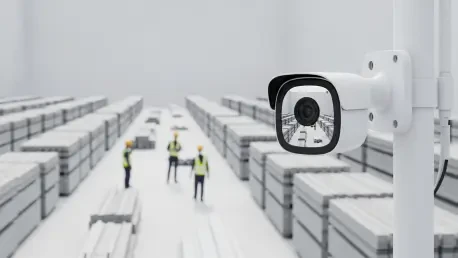
Modern construction safety has expanded to include comprehensive site security because unauthorized access now represents one of the most significant liabilities and physical risks for a project. With the rising value of raw commodities like copper and high-end machinery, construction sites have increasingly become targets for organized criminal elements who may inadvertently wander into unsecured or structurally unstable zones. When an intruder or even a curious passerby enters a site after hours, they face immense dangers that the company is legally and ethically obligated to prevent, even if the person is there illegally. IoT-connected security systems, including remote-access CCTV and advanced motion detectors, allow firms to fulfill this duty of care around the clock without the need for a massive team of physical guards. Protecting the perimeter is no longer just about preventing theft; it is a vital component of a holistic strategy that ensures the integrity of the site at all times.
Implementing AI-Powered Computer Vision for Compliance
Advanced detection tools powered by Artificial Intelligence take site oversight a step further by identifying specific anomalies that are often invisible or overlooked by human eyes during routine checks. These AI-driven systems can scan live video feeds to detect whether a worker is wearing the appropriate personal protective equipment or if a designated fire exit has been blocked by discarded materials. This capability allows for the creation of a verifiable and transparent audit trail that satisfies the increasingly stringent requirements of modern regulatory bodies and insurance providers. Instead of relying on the hope that a foreman will catch a safety violation during a walkthrough, the technology provides a persistent digital sentinel that flags issues in real time. This shift away from manual physical discovery means that safety becomes a built-in feature of the site operations, significantly reducing the likelihood of preventable injuries and providing the documentation necessary to protect the business.
The Future of Proactive Site Management
Achieving Data Integration and Strategic Oversight
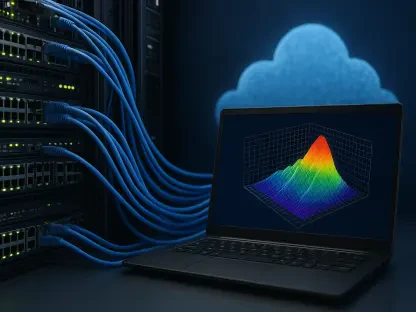
The transition toward a single-pane-of-glass management view allows site supervisors to centralize every piece of environmental data, security feed, and incident log into a single cloud-based platform. This level of integration is crucial because it removes the information silos that often lead to communication breakdowns between the safety department and the operations team. When everyone from the site foreman to the corporate executive has access to the same real-time information, decisions can be made based on facts rather than assumptions or outdated reports. This interconnectedness ensures that if a problem arises in one area of the project, its impact on the rest of the site is immediately understood and mitigated. Furthermore, the use of a centralized data ecosystem allows for predictive analytics, where past data is used to forecast potential risks. By treating safety and operations as parts of the same digital fabric, construction firms can achieve a level of transparency that was impossible before.
Establishing Actionable Strategies for Long-Term Safety
The adoption of integrated IoT ecosystems represented a fundamental shift in how the construction industry approached its moral and financial responsibilities to its workforce. Beyond the ethical imperative of protecting human lives, firms recognized that poor safety conditions cost the global economy billions of dollars each year through lost productivity and legal fees. By investing in proactive technology, companies successfully protected their profit margins while simultaneously elevating the standard of care for their employees. These technological advancements proved that safety and profitability were not mutually exclusive but were instead deeply interconnected goals. Moving forward, the industry prioritized the continuous refinement of these data streams to ensure that sensors provided actionable insights that led to safer building methods. Future considerations involved the integration of robotic assistance to handle the most hazardous tasks, further removing humans from high-risk scenarios and ensuring construction remained a viable profession.