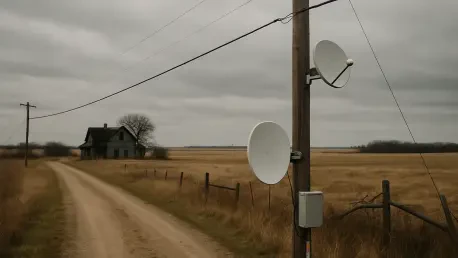

High up in the Appalachian ridges of Monroe County, the silence of the wilderness is frequently interrupted not by nature, but by the frantic search for a signal that never seems to arrive for the thousands of residents left behind by the modern economy. Despite the massive influx of federal and state capital through various infrastructure acts from 2026 to 2028, West Virginia remains a stark case study in the persistence of the digital divide. The sheer scale of the investment, often totaling hundreds of millions of dollars, stands in jarring contrast to the daily experiences of local citizens who navigate a landscape defined by dead zones and exorbitant service fees. For many, the government’s frequent announcements of expanded fiber-optic coverage feel like a distant echo that fails to reach the hollows where connectivity is most needed. This ongoing crisis is not merely a technical glitch but a systemic failure that isolates rural communities from the global marketplace and essential public services.
The Human Impact: Professional and Public Safety Costs
Licensed therapists working within these isolated counties often describe a harrowing environment where reliable high-speed internet functions as a literal lifeline for their patients. In many instances, health practitioners have been forced to maintain active accounts with two or three separate service providers at the same time to mitigate the frequent risk of total system failure. This redundancy is not a luxury but a necessary safeguard because a sudden loss of connection during a telehealth session with a high-risk individual can lead to dangerous clinical outcomes. If a patient is experiencing a severe mental health crisis, the abrupt termination of a video link due to an unstable rural network can delay immediate intervention and life-saving support. Such technical volatility places an immense psychological burden on both the provider and the patient, turning routine medical care into a high-stakes gamble. The professional community continues to call for a more resilient infrastructure that prioritizes stability over coverage.
The financial burden of this disconnection falls heavily on fixed-income retirees and younger remote workers who find themselves paying a significant premium for service that would be considered obsolete in metropolitan areas. It is not uncommon for families in the region to pay nearly $200 per month for satellite-based internet which remains prone to high latency and weather-related outages. This phenomenon, frequently labeled as a “rural tax,” forces a difficult choice between maintaining basic communication and covering other essential living expenses like groceries or heating oil. In areas where cellular reception is entirely non-existent, the internet becomes the only bridge for emergency services, yet the high cost often keeps it out of reach for the most vulnerable citizens. As remote employment opportunities become the standard from 2026 to 2028, the lack of affordable high-speed access prevents the younger workforce from staying in their hometowns, contributing to a continued brain drain and local economic stagnation.
Physical Barriers: Terrain and Hardware Limitations
Constructing a modern fiber-optic network throughout the rugged topography of West Virginia presents an engineering hurdle that few other regions in the United States must overcome. The steep mountains and deep river valleys require specialized equipment and unconventional installation methods that significantly inflate the cost of every mile of cable laid. Furthermore, the extensive presence of national forest lands and protected environmental trails necessitates a complex web of federal and state permits that can stall progress for several years. These bureaucratic layers often result in projects being abandoned before they even break ground, as small providers lack the legal resources to navigate the multi-agency approval process. Even when permits are secured, the physical reality of the terrain often necessitates boring through solid rock or traversing vast stretches of uninhabited land where the lack of existing electrical utility access makes it difficult to power necessary signal boosters. This logistical nightmare ensures that rural expansion remains a slow and costly endeavor.
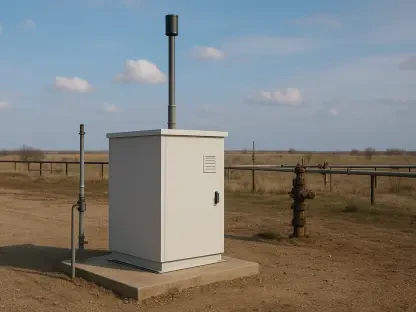
Compounding the topographical issues is the dilapidated state of the existing utility poles and electrical hardware that must support any new high-speed infrastructure. In many rural counties, the wooden poles are decades old and lack the structural integrity to hold additional weight from fiber-optic lines, requiring a massive replacement campaign before any digital upgrades can begin. Private telecommunications companies are notoriously hesitant to invest their own capital in these low-density markets because the return on investment is negligible compared to densely populated urban corridors. This reluctance leaves the “last mile” of connectivity—the final link between the backbone network and an individual’s doorstep—completely unserved despite the completion of regional trunk lines. While state-level initiatives aim to bridge this gap through subsidies, the sheer scale of the required physical repairs often exhausts available budgets before a single home is actually connected. Consequently, the reliance on outdated DSL or copper networks persists, leaving residents with technology that cannot support modern software.
Accountability Gap: Legislation and Mapping Failures
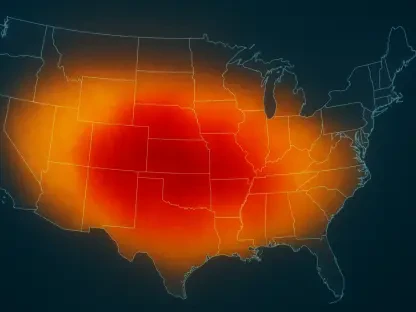
A profound sense of frustration has taken root among the local population due to a perceived lack of transparency regarding how the state reports its broadband progress. State officials frequently display colorful heat maps that suggest a dramatic increase in high-speed availability, yet these visuals often fail to account for the reality of chronic outages and fluctuating speeds on the ground. For a resident living in a hollow that is technically marked as “served,” the daily reality is often a connection that drops whenever it rains or when peak usage hours begin. This discrepancy between official data and lived experience has fostered a deep skepticism toward the government’s promises of universal access by 2028. Many citizens argue that the metrics used to define “adequate service” are far too lenient, allowing providers to claim victory while delivering performance that is insufficient for modern video conferencing or data-intensive educational tools. Without more accurate field testing, the true extent of the digital crisis remains hidden behind favorable statistics.
Legislative attempts to address these service deficiencies and hold large internet providers accountable have met with significant resistance in the state capital. Proposals that would mandate automatic bill credits for customers experiencing prolonged outages or empower state commissions to levy heavy fines on underperforming companies have consistently failed to gain traction. This lack of regulatory oversight creates a scenario where companies can receive millions in public grants without facing meaningful penalties for providing subpar service or failing to meet installation deadlines. Without a robust legal framework to protect rural consumers, providers have little incentive to prioritize the quality of their network in areas where competition is nonexistent. This political stagnation ensures that rural West Virginians remain trapped in a monopoly environment where high prices do not correlate with high performance. Advancing consumer protection laws is seen by many local advocates as the only way to shift the power balance from corporate interests back to the people who are currently paying for a promise that remains largely unfulfilled.
Future Considerations: Strategic Solutions for Digital Access
Addressing the systemic deficiencies of the rural broadband landscape required a shift toward more localized and community-driven solutions. Stakeholders eventually recognized that traditional top-down funding models often failed to reach the most isolated hollows, prompting a move toward municipal broadband networks and cooperative utilities. These entities prioritized local service reliability over corporate profit margins, ensuring that infrastructure maintenance remained a top priority for the long term. Robust public-private partnerships were established to facilitate pole replacements and streamline the permitting process through unified state-level task forces. Furthermore, the implementation of rigorous performance audits helped ensure that every dollar of public investment translated into verifiable high-speed access for households. By focusing on consumer-centric regulations and innovative deployment strategies, the region took the first definitive steps toward dismantling the digital barriers that had long hindered economic growth. This holistic approach provided a roadmap for future infrastructure projects to ensure that no community was left in the shadows.