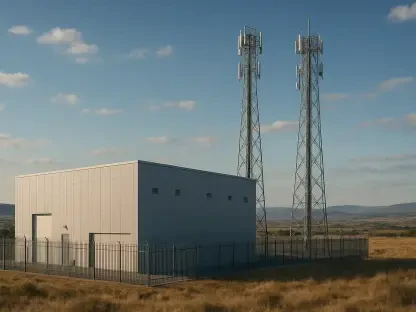

The global telecommunications industry is currently experiencing a profound and irreversible metamorphosis as mobile operators pivot from offering basic commodity connectivity toward functioning as the essential backbone of a distributed global computing system. This inevitable union of Radio

Vladislav Zaimov has spent his career at the intersection of network resilience and enterprise connectivity, witnessing firsthand how the "invisible" infrastructure of telecommunications can either accelerate or paralyze an industry. As mobile technology leaps forward with eSIM and satellite

The global telecommunications landscape has undergone a seismic shift as the competition for low Earth orbit dominance moves beyond the initial experimental phase and into a high-stakes commercial reality. For the past several years, SpaceX’s Starlink has operated with very little meaningful
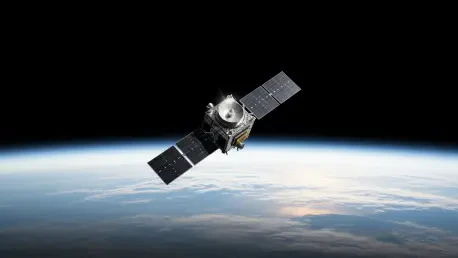
The rapid proliferation of commercial satellite constellations across low Earth orbit has fundamentally transformed the global telecommunications landscape, demanding a shift from slow, traditional bureaucratic procedures toward a more agile and technologically integrated regulatory framework. This

The persistent absence of high-speed internet in America’s Heartland continues to stifle economic growth and educational opportunities despite the unprecedented allocation of billions of dollars intended to bridge this divide once and for all. As 2026 progresses, the promise of universal
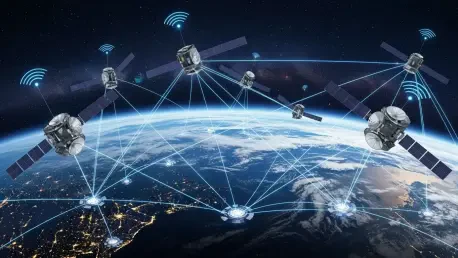
Vladislav Zaimov stands at the forefront of telecommunications innovation, bringing decades of experience in managing enterprise networks and mitigating risks in complex infrastructures. As the space industry undergoes a radical transformation through consolidation, Zaimov’s expertise offers a