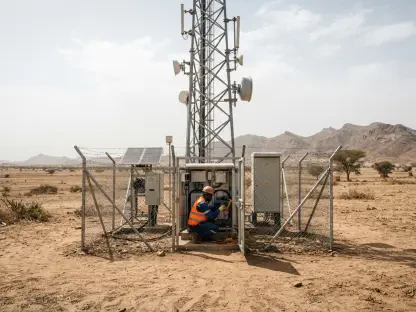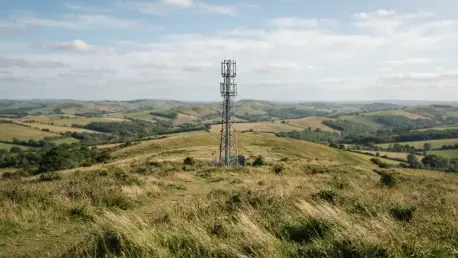

Evidence presented in federal court detailed how stolen funds were diverted from legitimate business purposes to finance a personal lifestyle of luxury rentals and dining. This revelation underscored the sheer audacity of Alexander Francise Blasscyk, a 48-year-old resident of Windermere, Florida, who engineered a multi-year operation to siphon money from unsuspecting rural landowners. Between 2024 and the early months of 2026, the scale of this deception became clear as hundreds of victims, primarily across North Carolina, came forward to share their stories of financial exploitation and betrayal. Blasscyk operated under the banner of Main Stream Telecom II, LLC, presenting himself as a high-level consultant capable of securing lucrative cell tower leases with major cellular providers. He promised these property owners a future of stable, passive income that could change their lives, but instead, he delivered a calculated nightmare that cost them their savings and their peace of mind.
The Mechanics: Building a False Infrastructure
To cultivate an image of professional competence, Blasscyk did not just rely on digital communication; he frequently visited rural areas like Ashe County in person to meet with potential targets. He utilized a sophisticated vocabulary of industry-specific terms, discussing the differences between monopole structures and lattice towers to convince property owners he possessed deep insider knowledge of the telecommunications landscape. By requiring an initial consultant agreement with a $500 retainer and a fifty-percent stake in any future signing bonus, he created a psychological hook that made landowners feel they were entering a legitimate partnership. This modest upfront cost served as a gateway to larger, more frequent demands for money, all while he maintained the facade of an advocate working on their behalf. The use of physical presence and technical jargon allowed him to bypass the natural skepticism that many rural citizens often have toward unsolicited business propositions.
The deception deepened as Blasscyk produced a steady stream of official-looking documentation, including letters of intent on his company letterhead that claimed specific properties had been “selected” for immediate tower placement. To reinforce this lie, he drafted lease agreements that listed either sham entities like Organic Telecommunications, LLC—a company managed by his mother-in-law—or forged the names of well-known multinational carriers. These carriers had no knowledge of Blasscyk or the agreements he was signing in their names. Once a victim was emotionally and financially invested in the idea of receiving $2,000 in monthly rent, Blasscyk began requesting payments for a variety of fake administrative hurdles. He claimed these funds were necessary for title searches, legal fees, FCC filing costs, and environmental studies, with a particular emphasis on the need for expensive “bird studies” that never actually took place. In reality, no applications were ever filed with any government agency or provider.
Psychological Manipulation: The Consultant’s Trap
A defining characteristic of this criminal operation was the dramatic shift in Blasscyk’s demeanor as soon as a victim began to express doubt or inquire about the status of their promised lease. While he was initially described as professional and even charming, he quickly adopted a “Jekyll and Hyde” personality to maintain control over the situation. When property owners noticed that no construction had begun or that his requests for additional fees were becoming suspiciously frequent, his responses turned from reassuring to aggressive. He utilized technical gaslighting, telling victims they did not understand the complexities of federal regulations or the slow pace of corporate bureaucracy. This served to make the victims feel ignorant and discouraged them from seeking outside advice or reporting the situation to the authorities. By weaponizing his perceived authority in the telecom sector, he effectively silenced many of his targets before they could realize they were being systematically defrauded of their savings.
When psychological manipulation failed to suppress dissent, Blasscyk resorted to overt intimidation and threats of physical violence that left many victims terrified for their safety. Evidence presented during the legal proceedings included chilling voicemails and messages where he threatened to personally harm those who challenged him or sought to terminate their agreements. In several instances, he made horrific claims that the victims’ family members would develop cancer or that “everyone will die” as a result of their interference with his supposed business operations. These threats were not mere outbursts of anger; they were calculated tools of coercion designed to ensure that victims remained compliant even after they realized the tower project was a fabrication. This level of hostility added a layer of trauma to the financial loss, as many property owners felt they were being hunted by a man who knew exactly where they lived. The intensity of his verbal abuse created a climate of fear that persisted for many years.
Legal Consequences: Federal Sentencing and Restitution
The investigation into these activities began with the diligent work of the Ashe County Sheriff’s Office, which quickly recognized that the fraud extended far beyond local borders and required the involvement of the FBI. This collaborative effort led to a federal indictment and a subsequent guilty plea by Blasscyk in late 2025. However, even while awaiting sentencing, his disregard for the law continued as he was arrested in Florida for stalking and violating a domestic injunction, which ultimately led to the revocation of his bond in early 2026. U.S. District Judge Susan C. Rodriguez eventually sentenced him to 51 months in federal prison, a term reflecting the high end of the sentencing guidelines. This decision was influenced by the extensive nature of the fraud and the psychological damage he inflicted on his victims. The court recognized that Blasscyk was not just a white-collar criminal, but a persistent predator who posed a significant risk to the public both financially and personally.
The court also handed down a massive restitution order totaling $1,039,115.30, intended to compensate the hundreds of landowners who had been stripped of their money. While this legal mandate provided a formal acknowledgment of the loss, the reality of recovery remained grim for many victims because the $816,000 in directly stolen funds had already been liquidated. Prosecutors demonstrated that Blasscyk had spent the money as quickly as he acquired it, funding a lifestyle of high-end restaurant dining, expensive bar tabs, and luxury travel. This disconnect between the court’s order and the actual availability of funds highlights a common tragedy in large-scale wire fraud cases where the perpetrator has no remaining assets to seize. The U.S. Attorney’s Office for the Western District of North Carolina emphasized that this case should serve as a stark warning to others that the federal government would aggressively pursue financial crimes, even when the chance of full financial recovery for the victims remains uncertain.
Community Impact: Navigating the Aftermath
Beyond the immediate financial devastation, the impact of the scheme left deep and lasting scars on the social fabric of the rural communities that Blasscyk targeted. Many victims reported feelings of profound humiliation and shame, expressing that they felt they had been “scammed” in full view of their neighbors and family members. In close-knit regions where a person’s reputation is one of their most valuable assets, the feeling of being deceived by an outsider was particularly painful. This loss of standing, combined with the stress of the prolonged legal battle, contributed to significant health declines for several of the affected individuals. Some victims reported experiencing heart problems, increased anxiety, and other stress-related medical conditions that they directly attributed to the ordeal. The betrayal of trust by someone who claimed to be a professional ally created a lasting cynicism that may make these residents more hesitant to engage with legitimate infrastructure projects or consultants.
The resolution of the Blasscyk case provided several critical takeaways for property owners and the broader telecommunications industry regarding the prevention of similar frauds. Experts noted that legitimate tower companies rarely, if ever, asked for upfront payments for “studies” or “regulatory filings” from landowners, as these were typically considered standard costs of business for the carrier. Property owners learned that the most effective way to verify a lease offer was to contact the corporate office of the named carrier directly, rather than relying on an intermediary’s documentation. Furthermore, the case highlighted the importance of vetting any consultant through state professional registries and looking for established physical offices. By adopting a “verify then trust” approach, many individuals began to safeguard themselves against the specific tactics of professional manipulators. This legal victory reinforced the necessity for local law enforcement to maintain strong ties with federal agencies.