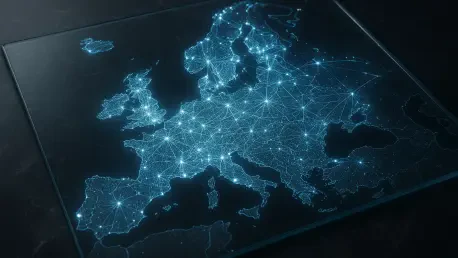

In an era where cross-border cyber threats can destabilize entire geopolitical regions within seconds, the European Union has made a decisive move to protect its administrative heartbeat. This strategic pivot involves the launch of the TESTA-EIRIS project, officially known as the Enhanced Infrastructure for Reliable Interconnectivity and Security, which aims to overhaul how sensitive data travels between member states. By moving away from general-purpose networking toward a dedicated, high-security private environment, the EU is effectively building a digital fortress around its most critical operations. This initiative is not merely about faster speeds or better bandwidth; it is a foundational shift toward achieving absolute digital sovereignty in a world where data integrity is the ultimate currency of governance. As the lead partner in this ambitious undertaking, Orange Business is tasked with constructing and managing the core infrastructure that will support the next generation of European public services.
Strategic Modernization of European Digital Infrastructure
Deployment of Sovereign Points of Presence
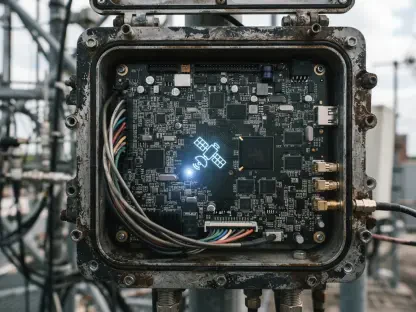
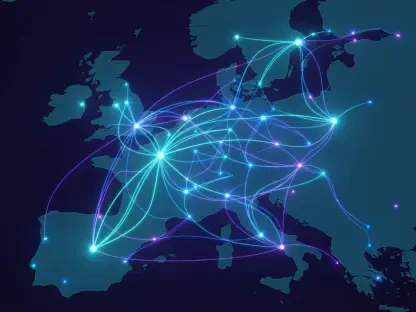
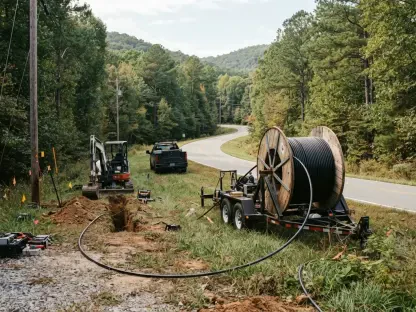
The physical architecture of this new network relies on the strategic distribution of at least 12 distinct Points of Presence located across five primary European regions. These facilities act as the localized gateways through which public administrations, EU agencies, and institutions access the secure backbone, ensuring that data does not traverse unsecured or third-party networks. By establishing this private footprint, Orange Business provides a layer of physical isolation that is essential for maintaining the confidentiality of sensitive communications. Each node is designed to handle high-capacity traffic while maintaining strict latency standards, which is vital for real-time services such as border control and judicial data exchanges. This localized approach allows for better compliance with varying national regulations while adhering to a unified European security standard, creating a cohesive network that spans the entire continent without compromise or data leakage.
Technical Management and Security Operations
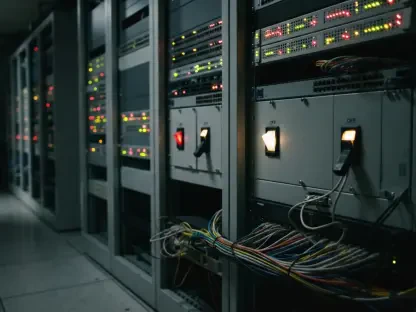
Beyond the hardware and cabling, the success of the TESTA-EIRIS project hinges on the sophisticated oversight provided by specialized Network and Security Operating Centers. These facilities are dedicated to constant monitoring, employing advanced telemetry to detect anomalies that might indicate a coordinated cyberattack or a hardware failure. Because these centers operate in real time, they allow for immediate mitigation of threats before they can impact the broader network, offering a proactive defense posture that traditional providers often lack. Orange Business manages these operations with a focus on high availability, ensuring that critical services like health data sharing and emergency crisis response remain functional even during periods of extreme digital duress. This operational model transforms the network from a static utility into a dynamic, self-healing organism that adapts to the evolving landscape of global cyber risks.
Long-Term Security and Actionable Resilience
Stakeholders recognized that the successful implementation of this contract established a robust precedent for the future of international governmental cooperation. By securing the data pathways between member states, the project mitigated significant risks that had previously threatened the cohesion of digital administrative services. Moving forward, the focus shifted toward expanding these capabilities to include emerging technologies such as quantum-resistant encryption and AI-driven threat hunting. Authorities encouraged member states to integrate their local systems more deeply with this secure core to maximize the collective defense of the union. The transition to this sovereign infrastructure demonstrated that security and interoperability were not mutually exclusive but were instead the twin pillars of a modern digital state. This approach provided a clear directive for other regions to follow, proving that the protection of public data required a dedicated, private, and professionally managed ecosystem.