
The silent evolution from rigid automation to fluid, reasoning Agentic AI is fundamentally altering how global telecommunications networks repair themselves, compressing weeks of manual troubleshooting into mere seconds of digital logic. This shift represents a departure from basic scripts toward sophisticated systems that do not just follow instructions but actually solve problems. As network complexity creates an overwhelming volume of telemetry data, operators are turning to these specialized agents to maintain the high reliability that modern consumers expect. This analysis looks at the emergence of agentic frameworks, specifically the recent collaboration between C Spire and AWS, as a definitive model for operational success and a glimpse into the automated future of the industry.
The Shift Toward Autonomous Network Management
Market Dynamics and the Adoption of Agentic Frameworks
The industry is witnessing a pivotal transition from general Large Language Models toward specialized AI agents capable of autonomous execution. Rather than just generating text, these agents interact with software environments to perform specific duties. This movement responds to the critical need for lower Mean Time to Detect and Mean Time to Diagnose metrics within modern Network Operations Centers. By moving away from centralized AI hubs, companies are deploying decentralized, task-oriented agents that address specific operational facets like alarm monitoring or weather correlation.
Real-World Application: The C Spire Case Study
In a notable implementation, C Spire demonstrated that agentic integration could lead to an 80% reduction in detection time and an 83% reduction in diagnosis time. This project moved the needle from theoretical potential to measurable reality in just eight weeks. By leveraging a multi-agent system, the operator successfully halved the time required for software-related repairs, proving that automated telemetry analysis can resolve complex glitches far faster than traditional manual intervention.
The Four-Agent Architecture: A Design for Collaboration
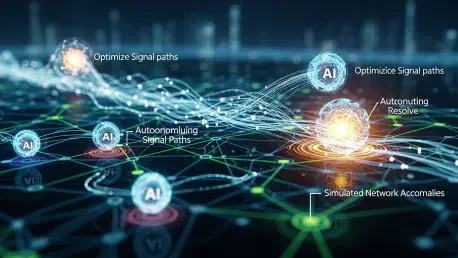
The success of this framework relies on a quartet of specialized agents: Knowledge Base, Weather, Alarm, and Supervisor. The Knowledge Base agent provides instant access to technical manuals, while the Weather agent links environmental data to physical network failures. Meanwhile, the Alarm agent processes constant telemetry streams to identify anomalies. These three components report to a Supervisor agent, which translates complex data into natural language, enabling technicians to interact with the network as if they were speaking to a colleague.
Strategic Perspectives on Human-Centric AI Integration
Human-in-the-Loop Design: Fostering Internal Trust
A critical factor in C Spire’s strategy involved the direct participation of frontline staff during the development phase. By ensuring the tools solved real-world frustrations rather than abstract problems, the company bypassed the typical resistance often associated with automation. This human-centric approach ensured that the AI acted as a force multiplier for engineers, allowing them to focus on high-level strategy while the agents handled the repetitive work of scanning logs and correlating events.
Security and Integrity Standards: Protecting the Core
Data privacy remains a top priority, leading operators to utilize secure containers that isolate network telemetry from sensitive subscriber information. This structural separation ensures that AI agents can optimize performance without ever accessing personal data. Global leaders like Nokia and NTT Docomo are pursuing similar paths, emphasizing that while cloud integration is essential for processing power, local data sovereignty and security protocols must remain non-negotiable foundations for any agentic deployment.
The Future of Telecom: From Reactive to Proactive Operations
The Proactive Pivot: Anticipating the Invisible
The next logical step for these agents involves moving beyond reacting to existing failures toward predicting outages before they occur. By monitoring real-time Key Performance Indicators, future systems will likely identify degradation patterns that precede a total service loss. This proactive stance would allow operators to schedule maintenance during low-traffic periods, effectively eliminating the emergency nature of network repairs and providing a seamless experience for the end-user.
Economic and Structural Barriers: Navigating the Cloud
Despite the clear benefits, the high cost of migrating massive, legacy on-premise datasets to the cloud remains a significant hurdle for many operators. The transition requires a careful balance between the capital expenditure of migration and the operational savings promised by AI efficiency. While security fears are fading, the sheer logistics of moving decades of data into a modern framework will likely slow the pace of adoption for smaller or more traditional telecommunications firms.
Conclusion: Setting a New Benchmark for Infrastructure Reliability
The integration of agentic AI into network operations represented a fundamental shift toward a more resilient and transparent digital infrastructure. Operators who embraced these specialized systems discovered that the key to survival in a high-demand market lay in the synergy between human expertise and autonomous reasoning. The move from manual troubleshooting to real-time, AI-driven diagnostics set a new standard for service uptime and operational agility.
Moving forward, the industry needed to focus on standardized protocols for agent intercommunication to ensure different AI systems could work together across vendor lines. The focus shifted toward training a new generation of engineers who were as comfortable managing AI supervisors as they were with physical hardware. Ultimately, the successful deployment of these frameworks proved that the path to a truly autonomous network required a delicate balance of technical innovation and organizational trust.